From forests to your front porch: how raccoons can become a nuisance in your neighbourhood
Learn how to safely manage raccoons on your property.
City services | August 29, 2025
What do dumpster diving, waste bin tipping and a ripped-up front lawn have in common?
Raccoons.
If you live in Mississauga, chances are you’ve spotted a raccoon wandering through your neighbourhood or snooping around waste bins. These resourceful creatures are becoming a familiar sight across the city.
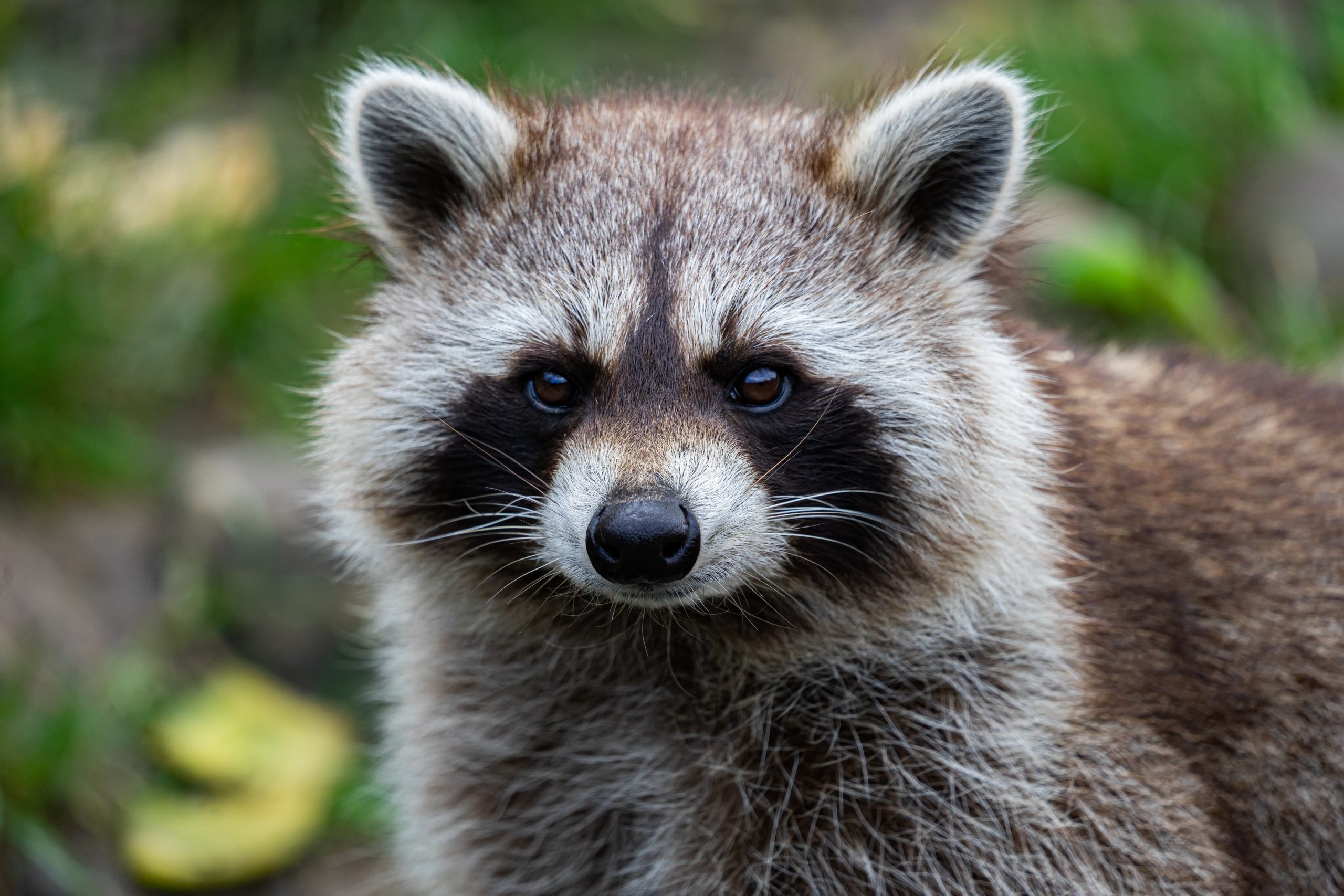
Although they might frustrate some homeowners, raccoons play an important role in maintaining a healthy ecosystem. They help control insect and rodent populations, disperse seeds, and act as nature’s clean-up crew by eating deceased wildlife.
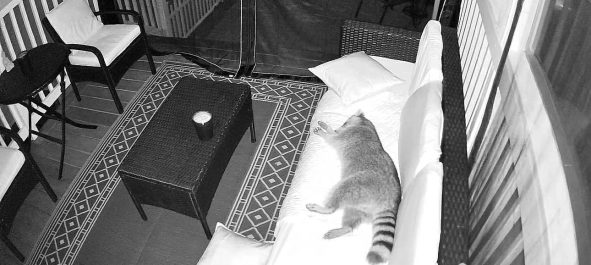
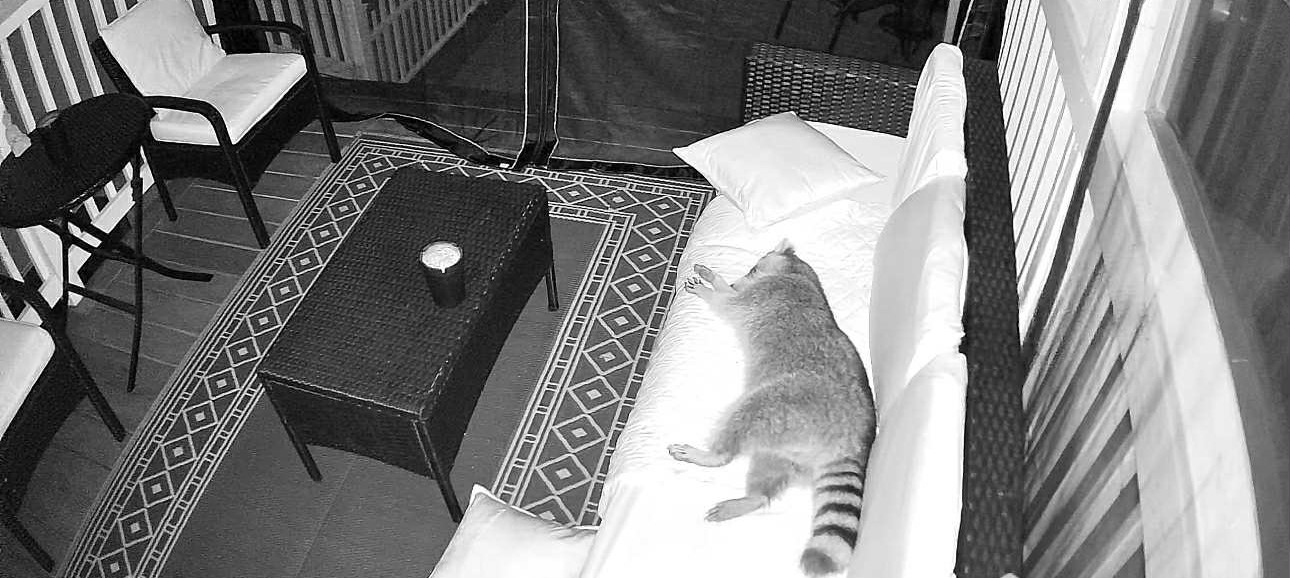
However, sometimes they can make themselves too comfortable by rolling up newly laid sod, leafing through waste bins, digging up holes in yards looking for grubs or sleeping on outdoor patio furniture, or finding very inconvenient places to den like under sheds, decks and in attics.
About these dark-masked animals
Raccoons are highly adaptable animals. While they traditionally live in wooded areas, like forests, many have made urban cities like Mississauga their home instead.
These nocturnal animals sport a black mask that covers their eyes, grey-brown fur, a pointed snout with a black nose and a ringed bushy tail. They can weigh between 14 to 23 lbs. While most animals use sight, sound or smell to look for food, raccoons rely primarily on touch.
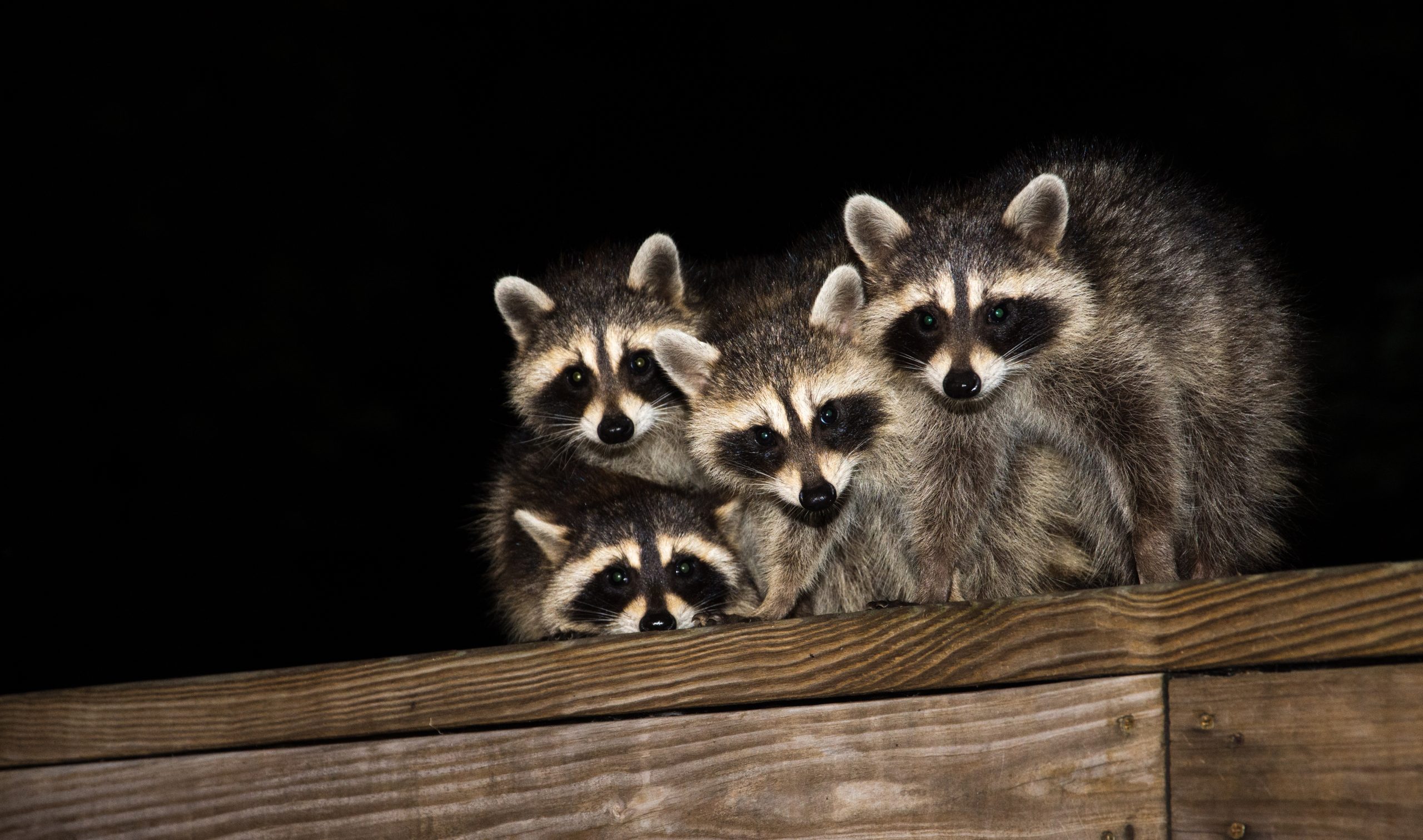
Raccoons are very good with their paws, which contain sensitive sensory receptors. They can differentiate between objects by touching things without seeing them at night.
Raccoon mating season runs from January to June, with most births happening in the spring. A female raccoon will usually give birth to four or five kits after a 65-day gestation period. Kits spend their first two months hidden in the den and remain with their mother for up to a year. During this time, mother raccoons are solely responsible for raising their young.
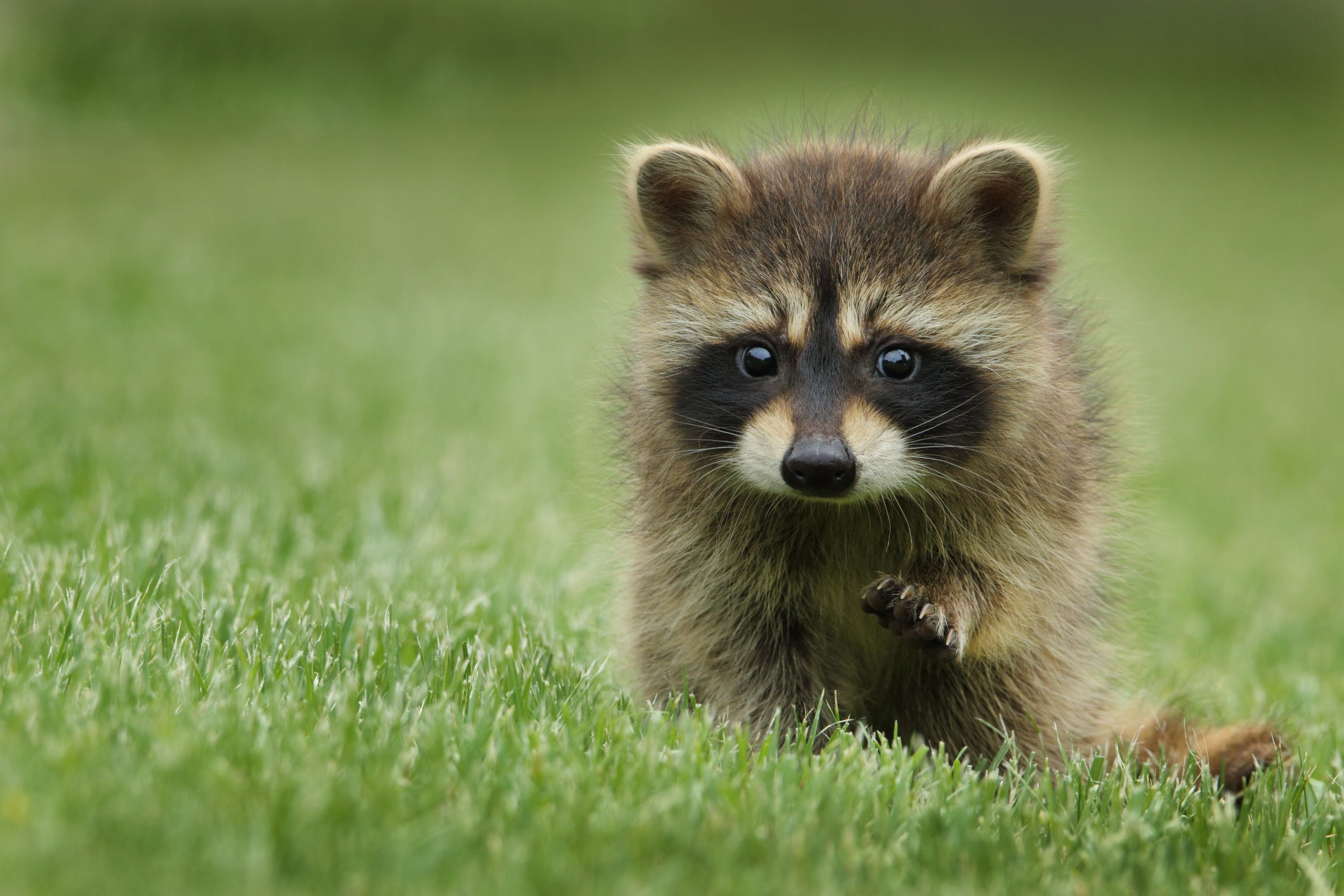
If you come across baby raccoons left alone in your yard, do not assume they’ve been abandoned. The mother is likely out searching for food and may return within hours. However, if she does not return after 24 hours, it’s best to contact Mississauga Animal Services (905-896-5858).
Raccoons are omnivores. They will eat just about anything, including insects, rodents, amphibians and dead animals. While raccoons are important to our environment, their behaviour can sometimes cause problems for residents. Raccoons aren’t the best roommates. They can cause a lot of damage and frustration to homeowners, including:
- Tipping over or breaking into waste bins.
- Digging up lawns in search of grubs.
- Swimming in outdoor pools.
- Taking over patios, decks and porches.
- Raiding vegetable or herb gardens.
- Nesting under decks, porches, sheds, or even inside attics and chimneys.
- Damaging property by chewing vents or tearing shingles to access shelter.
Protect your property and keep raccoons away
If you see a raccoon on your property or find one lurking around your home:
- Avoid physical contact.
- Don’t approach, disturb, scare or threaten a raccoon.
- Avoid feeding or petting.
- Don’t intentionally try to hurt it.
- Call a licenced and reputable wildlife removal company that can safely capture it and relocate it within one kilometre.
- Keep pets indoors.
- Ensure you vaccinate your pets against rabies and distemper.
The City asks all residents not to feed wildlife, especially raccoons. This creates a long-term problem for both the wildlife and Mississauga neighbourhoods. If a resident is caught feeding wildlife or intentionally leaving out food for animals, they could face fines from $300 to $100,000.
Setting up camp on your property
There are some simple, yet effective ways you can ensure your property doesn’t become the next venue for a late-night raccoon garden party.
Secure waste and compost – Put bins out only on the morning of collection day. Also ensure you are using tightly fitted lids and that waste bins are stored in a shed or garage overnight if possible.
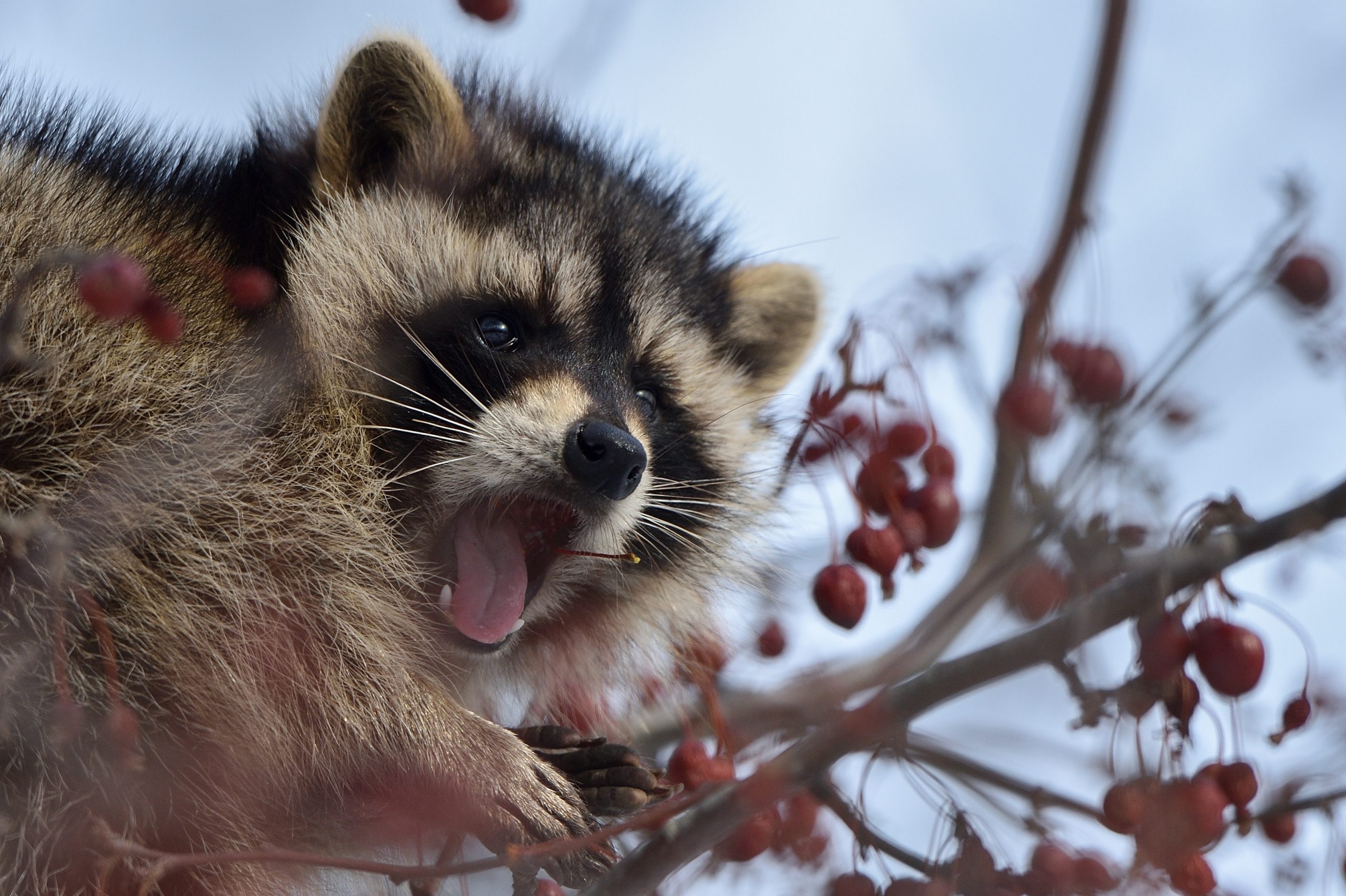
Remove food sources – Remember not to leave out pet food, bird seed, or fallen fruit from trees outside. Clean up your yard, check your bird feeders and dispose of any food items or sources. This includes covering vegetable and herb gardens with netting, treating lawns for grubs, or placing chicken wire over newly laid sod.
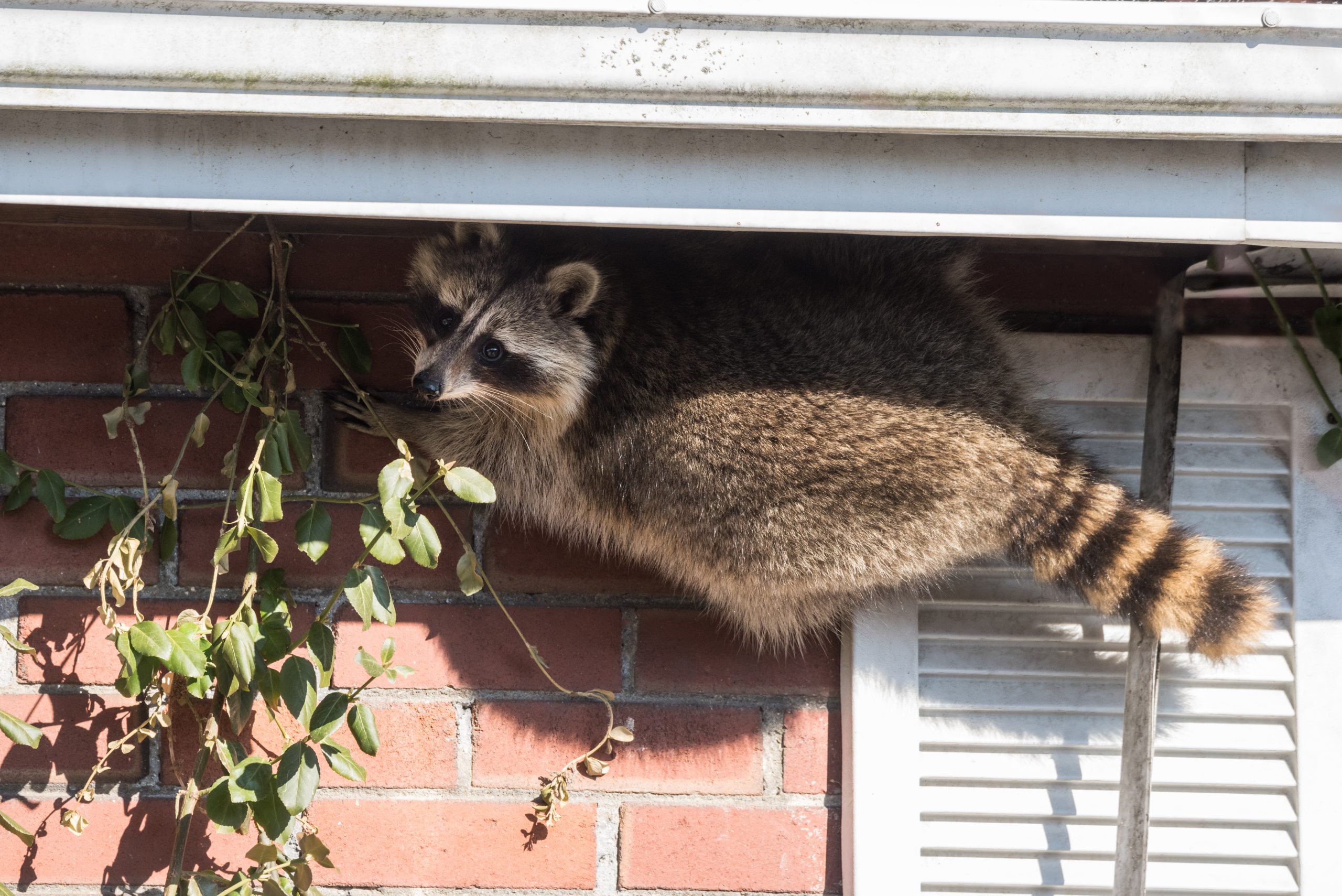
Eliminate hiding spots – The best way to prevent a raccoon from calling your home their new denning space is to seal off entry points under decks, sheds, attics, and chimneys. It is important to repair loose siding, soffits, and roof vents, where possible, use wire mesh to secure access points.
Use bright lights and sound – Raccoons don’t respond well to bright lights or loud noises. Consider installing motion-activated lighting in your front and back yard. If you find there is a raccoon consistently visiting your property, place a weatherproof radio near the problem area to make the noise more of an annoyance.
In sickness and in health
Not all raccoons wandering in your yard are healthy. Mississauga Animal Services has been dealing with an increase in the number of calls regarding sick and injured raccoons. Some may be injured – being hit by a car, fighting with another animal or carrying a disease like distemper.
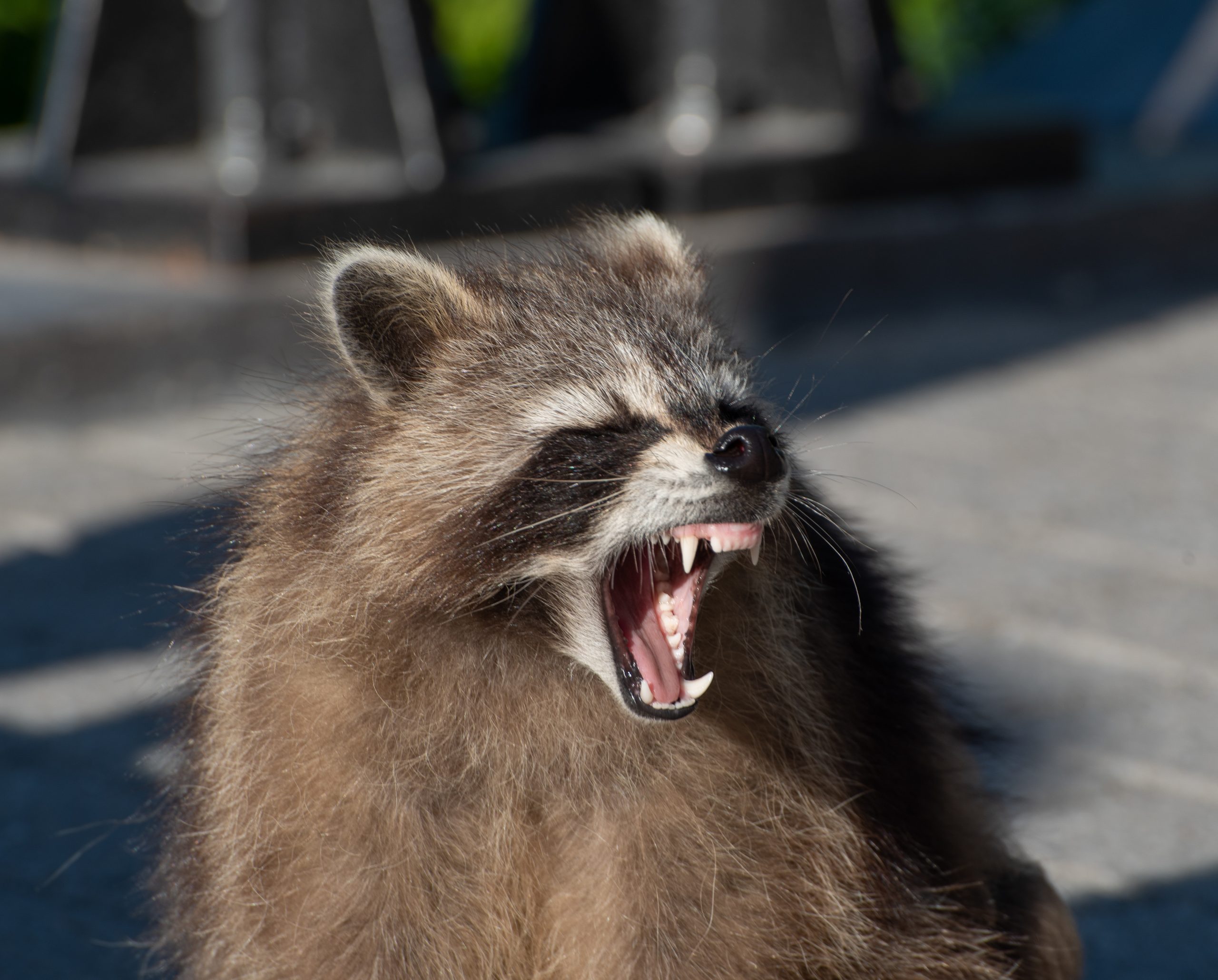
Things to look out for include, lethargic or unsteady behaviour, wandering aimlessly or acting lost or confused during the day, discharge from the eyes or nose, limping, visible wounds, bone exposure, trouble walking, unnecessary aggression or bold behaviour. In many cases, raccoons with distemper aren’t bothered or scared of people.
If you see a raccoon that looks sick, disoriented or aggressive, it could be infected with canine distemper, raccoon roundworm, trichinosis, feline parvovirus or rabies.
While the risk of humans and pets contracting rabies is low, the disease can be fatal if left untreated. Residents are reminded to protect themselves and their pets from exposure and contact with all wild animals, including raccoons. Rabies treatment is most effective when exposure first happens. The rabies vaccine must be administered before any symptoms appear.
If you are bitten or scratched by a raccoon, wash the wound immediately with soap and water and apply an antiseptic. Seek medical attention from a healthcare provider or local hospital as a rabies vaccine may need to be administered. Also, ensure that you call the Region of Peel (Peel Public Health) to report the incident.
If you see a raccoon that is sick, injured or in distress, contact Mississauga Animal Services at 905-896-5858.
Trapping raccoons
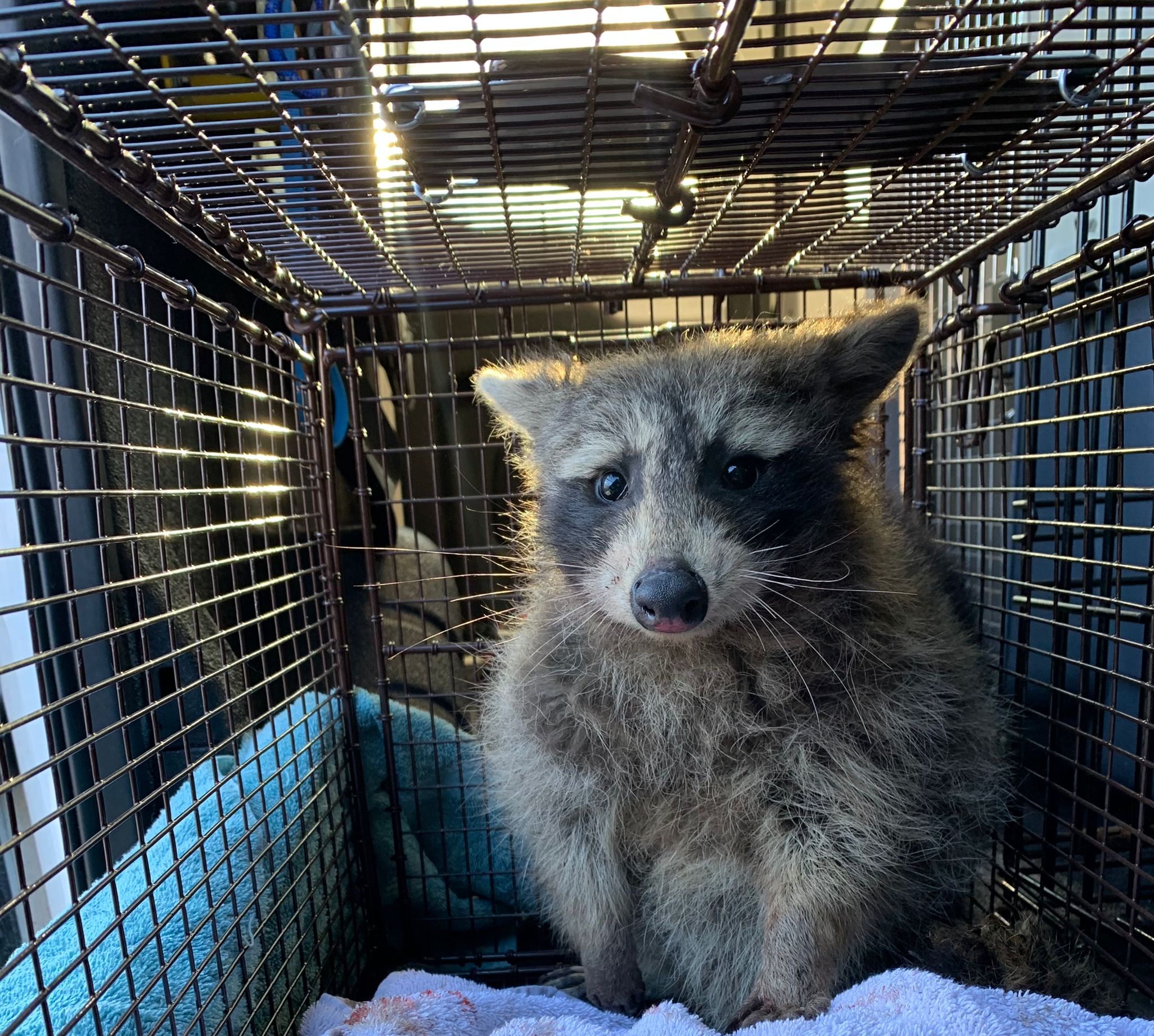
In Ontario, it is also illegal to trap and relocate an animal more than one kilometre from where it was captured. In addition, trapping wildlife can leave young raccoons orphaned or injured.
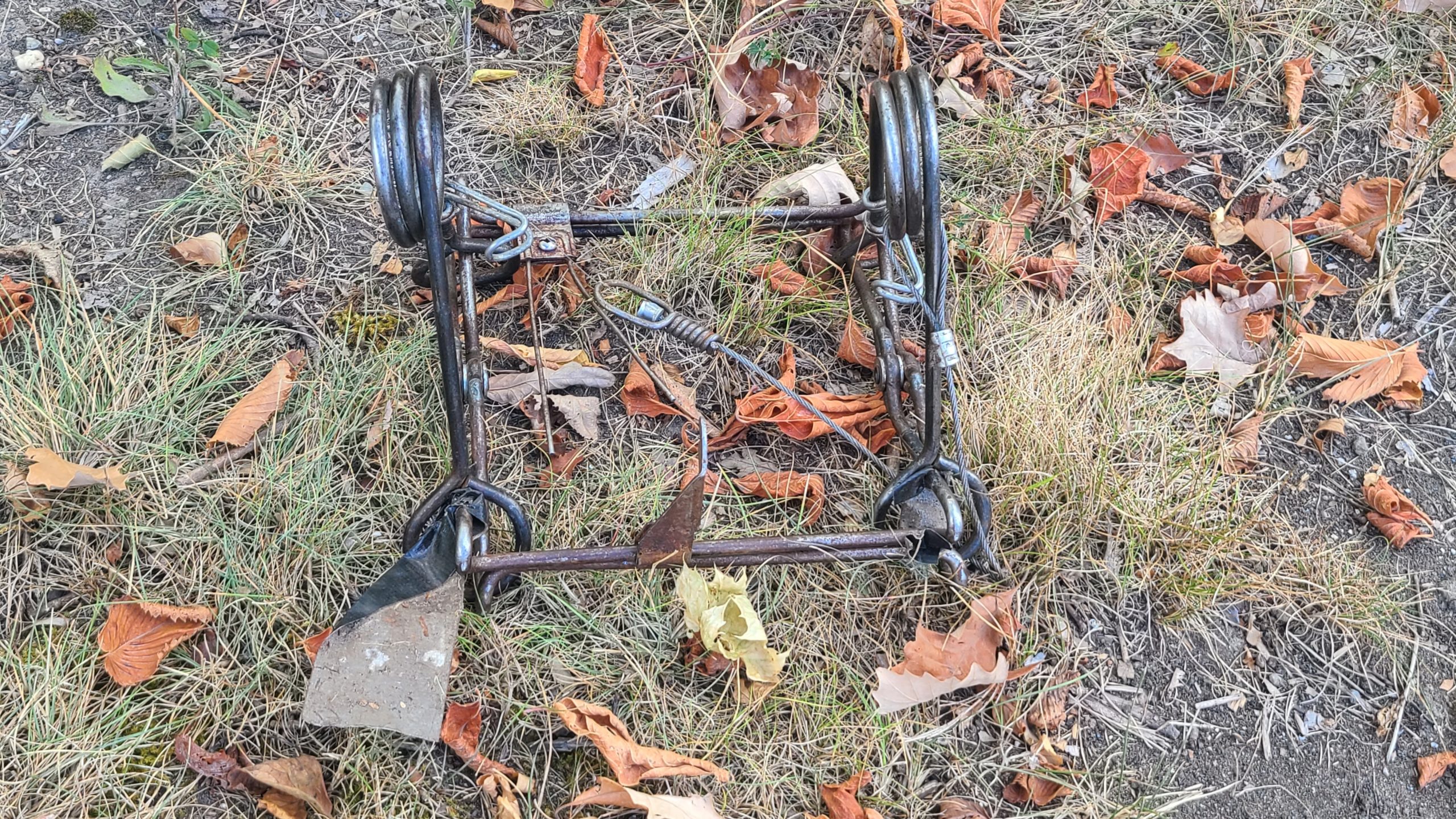
Using body-gripping traps is illegal and poses a significant risk to public safety. Implementing traps in any urban environment will pose a more significant danger to the public than the raccoons themselves.
If you see a raccoon that is sick, injured or in distress, contact Mississauga Animal Services at 905-896-5858.
Tags
Media contact
City of Mississauga Media Relations
media@mississauga.ca
905-615-3200, ext. 5232
TTY: 905-896-5151
Get email updates