Wildlife problems? Inhumane traps aren’t the solution
Don’t take matters into your own hands regarding wildlife.
City services | August 8, 2025
Spotting wildlife in neighbourhoods, parks, public spaces, and even your backyard is common. Animals often find shelter in places like attics, chimneys, under decks or porches, and behind sheds. While this can feel disruptive, it’s important to remember these animals are simply searching for food and a place to live – they’re just being themselves.
Dealing with wildlife
If you’re experiencing wildlife issues around your home, there are safe and humane ways to handle them. Mississauga Animal Services reminds residents not to trap or relocate wild animals found on their property.
Though it may seem like a quick fix, trapping or moving wildlife is often harmful and ineffective over the long term.
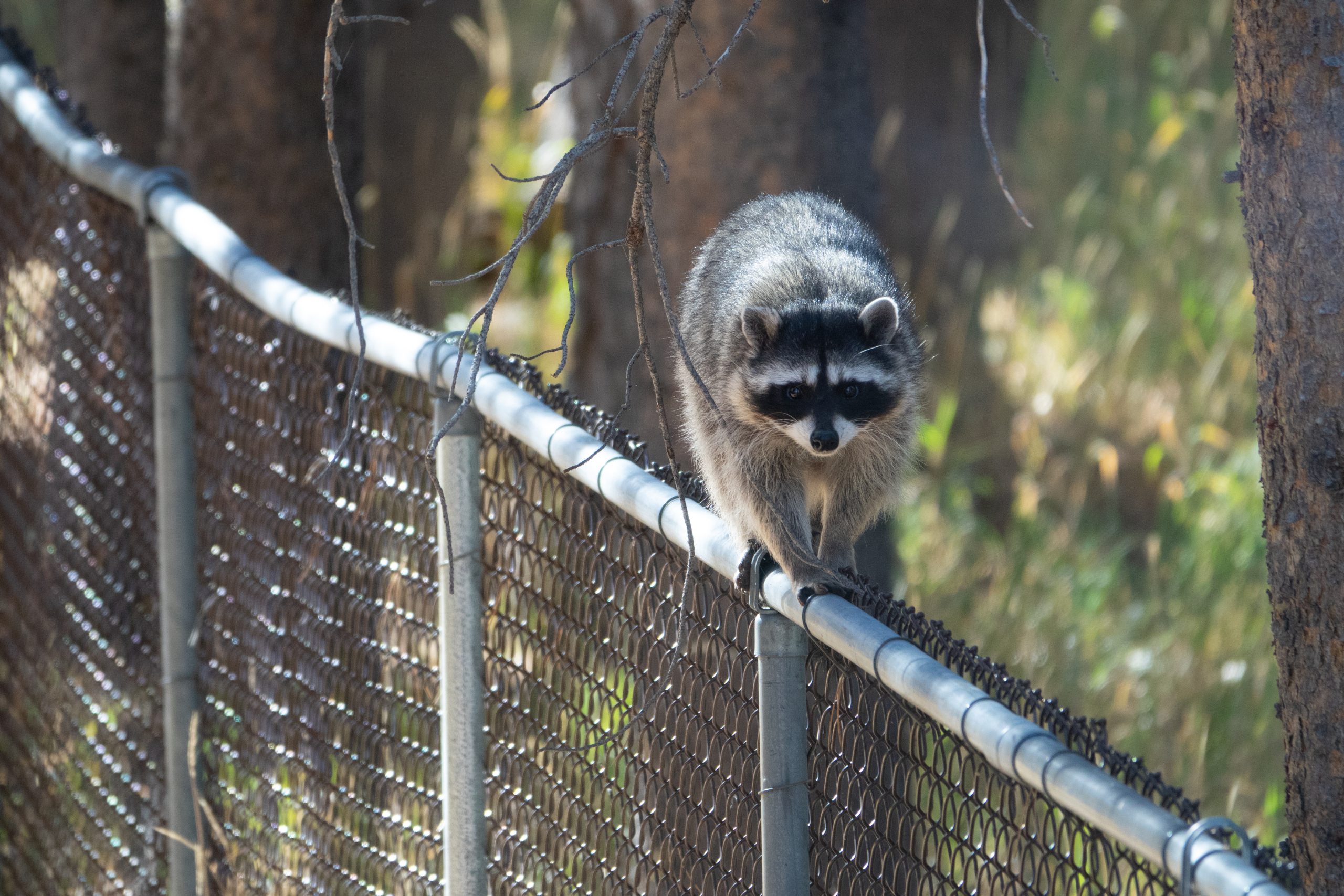
Inhumane traps
Many traps, like glue or body-gripping traps, are inhumane. They’re illegal under Ontario’s Fish and Wildlife Conservation Act and prohibited by the City’s Parks By-law. While traps are sold in stores, they’re only legal under strict provincial regulations enforced by the Ministry of Natural Resources.
Types of traps
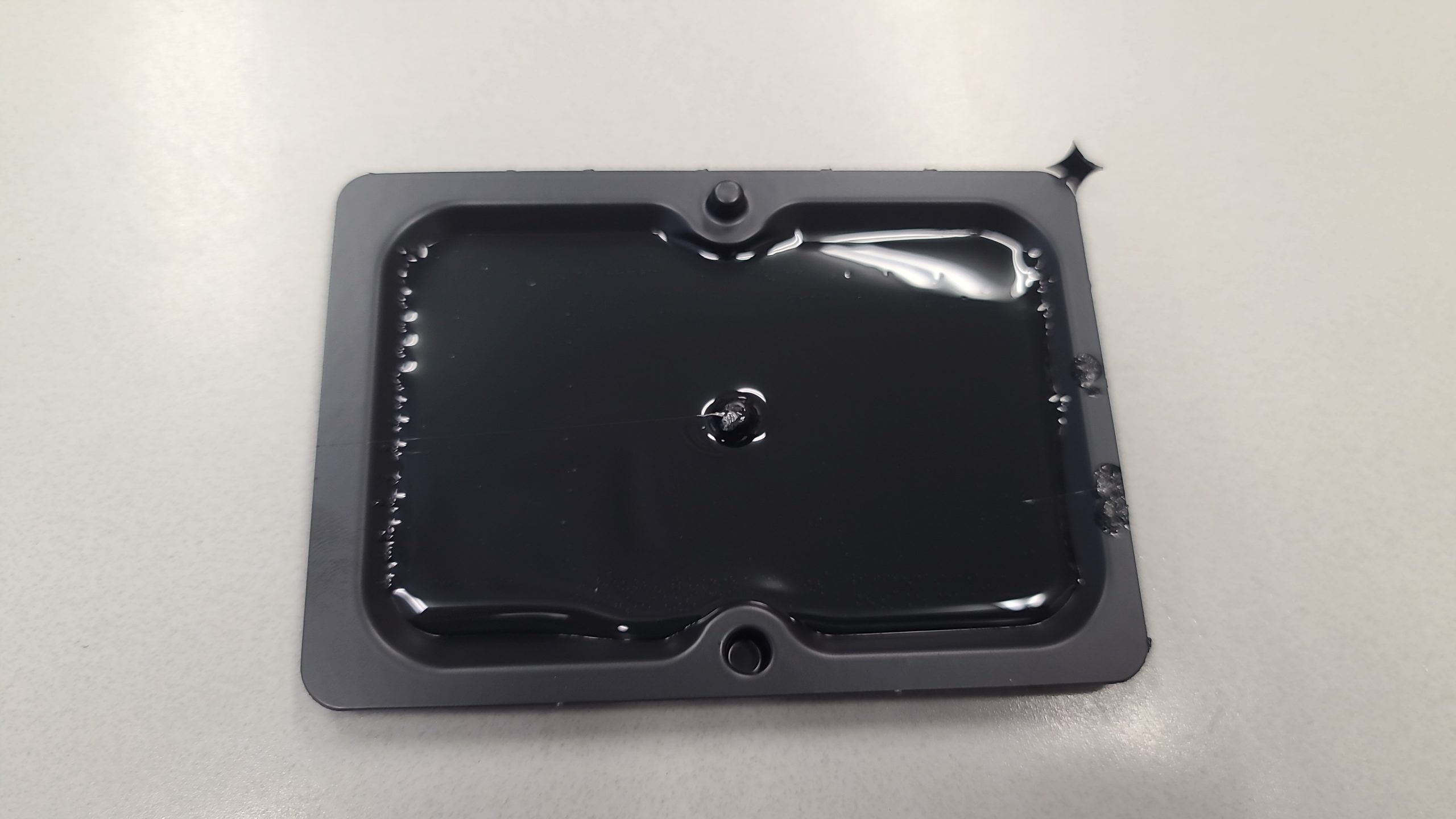
Glue traps
Inhumane traps, like glue traps, are prohibited for outdoor use in Mississauga. Trapping doesn’t just harm the intended animal, it can also hurt other species like birds, squirrels, chipmunks, or mice.
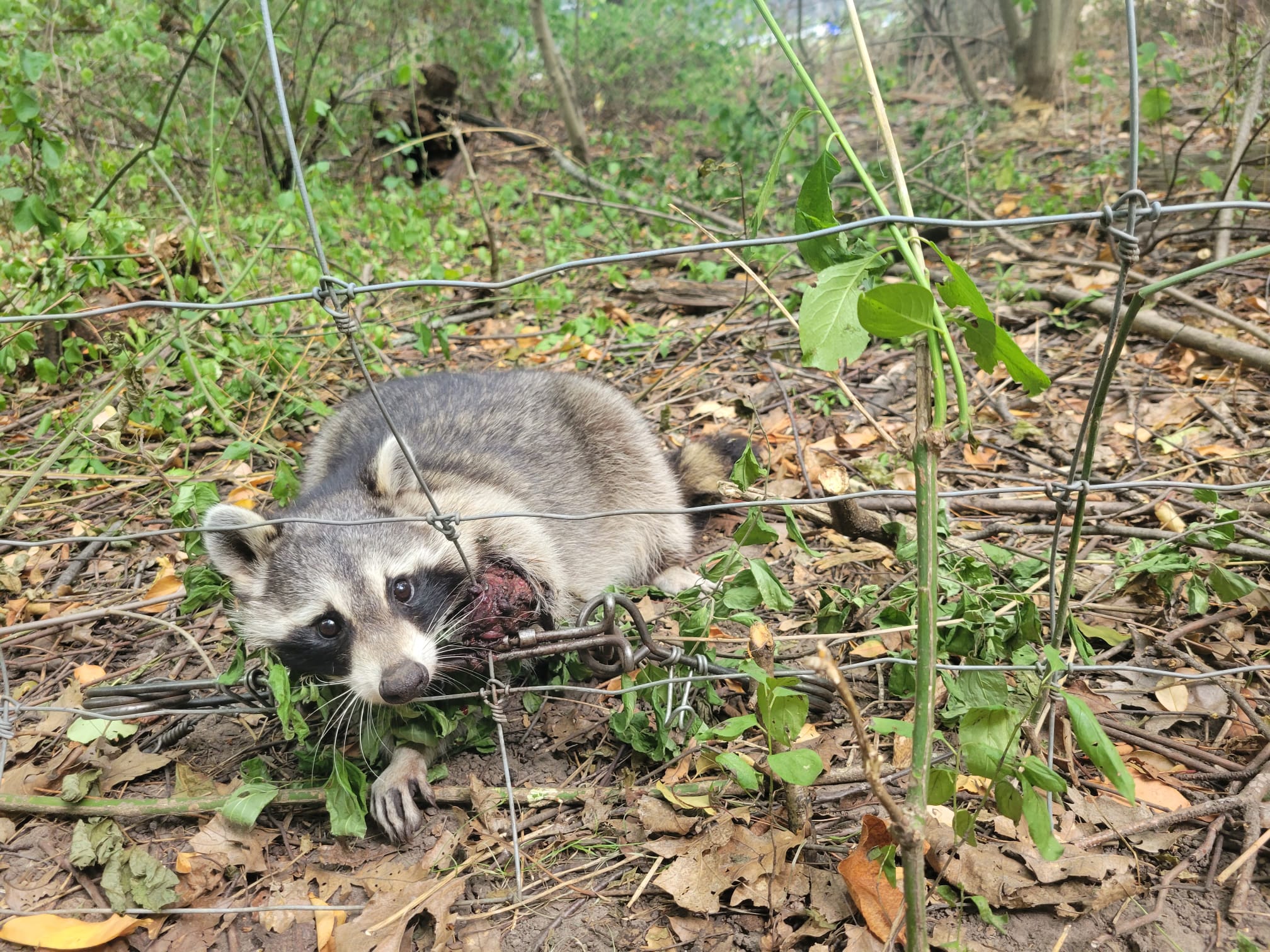
Body-gripping traps
The use of body-gripping traps is also prohibited in Mississauga. Animals caught in them can be seriously injured or killed, and these traps can also harm people.
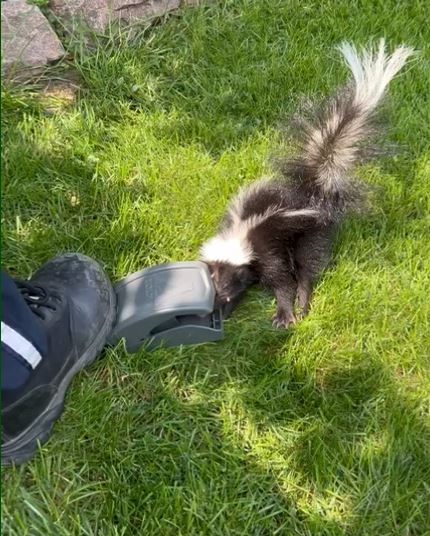
Snap traps
Snap traps are only permitted for indoor use and can pose risks to raccoons, squirrels, and skunks. Make sure someone is present to monitor any snap traps in use to prevent unnecessary harm.
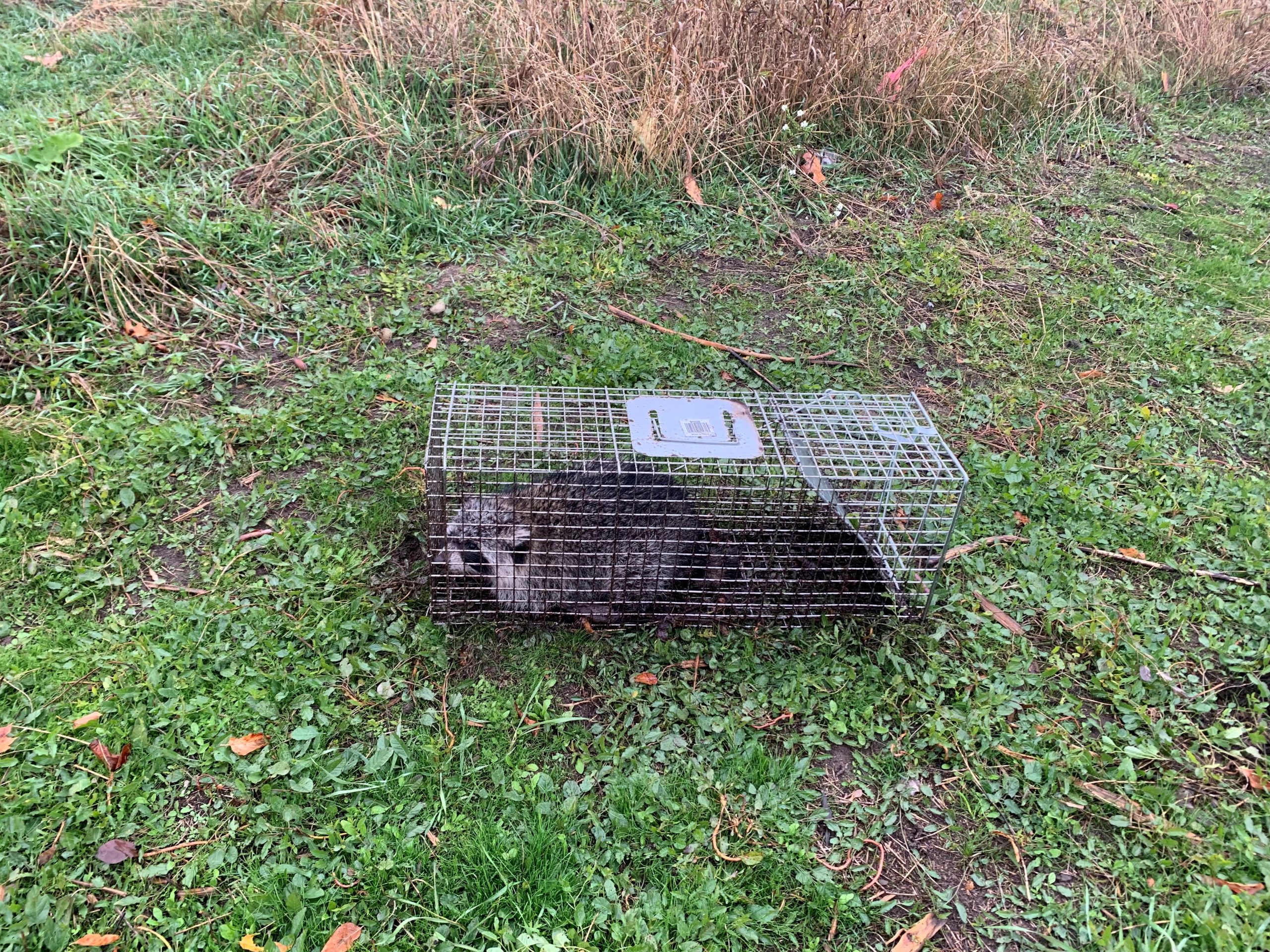
Live-release traps
You can use live traps outside. If you use a live trap, you need to check it often to make sure you’re only catching the intended animal.
What about poisons?
Rat poisons and other rodenticides are restricted to licensed pest control companies for outdoor use. These products can seriously harm or kill pets, children, and wildlife. In situations where they are used, Mississauga Animal Services recommends enclosed bait stations used with caution to reduce the risk of secondary poisoning.
Relocation isn’t the answer either
Besides the fact that it is illegal to move wildlife more than one kilometre from the capture site, studies show that many relocated animals don’t survive in unfamiliar areas.
Removing an animal also allows other wildlife to move in and take advantage of available food or shelter. In some cases, relocation can even contribute to the spread of diseases like rabies.
How to keep animals off your property
The best way to prevent wildlife problems is to remove attractants, such as easy access to food, water, and shelter. Small changes can make a big difference.
Hiring a wildlife removal company?
Here’s what to consider:
- Look for humane practices, including reuniting wildlife families
- Ask for an inspection and a written quote
- Watch for hidden fees or vague services
- Understand how the issue will be addressed
- Focus on long-term prevention
- Check reviews and ask for referrals
- Ensure they’re covered by the Workplace Safety and Insurance Board (WSIB)
Mississauga’s wildlife is part of what makes our city special. Learning about them and treating them with care helps protect wildlife and their ecosystems. Supporting green spaces and conservation efforts keeps our animal neighbours safe.
To learn more, visit mississauga.ca/wildlife.
Need help? Contact Animal Services
Mississauga Animal Services is here to help with urgent wildlife rescues, animal welfare concerns, and questions about pets or wild animals. If you see an injured animal or one acting aggressively, call 905-896-5858.
Additional Resources:
- Protect your home from wildlife
- Reminder to keep wildlife wild
- Exploring Mississauga’s wildlife: ways to help and protect
Tags
Media contact
City of Mississauga Media Relations
media@mississauga.ca
905-615-3200, ext. 5232
TTY: 905-896-5151
Get email updates