The buzz is back: Mosquito season starts in Mississauga
As mosquitoes return to Mississauga, so does the risk West Nile virus. Learn how to protect yourself.
Emergency and public safety | May 13, 2026
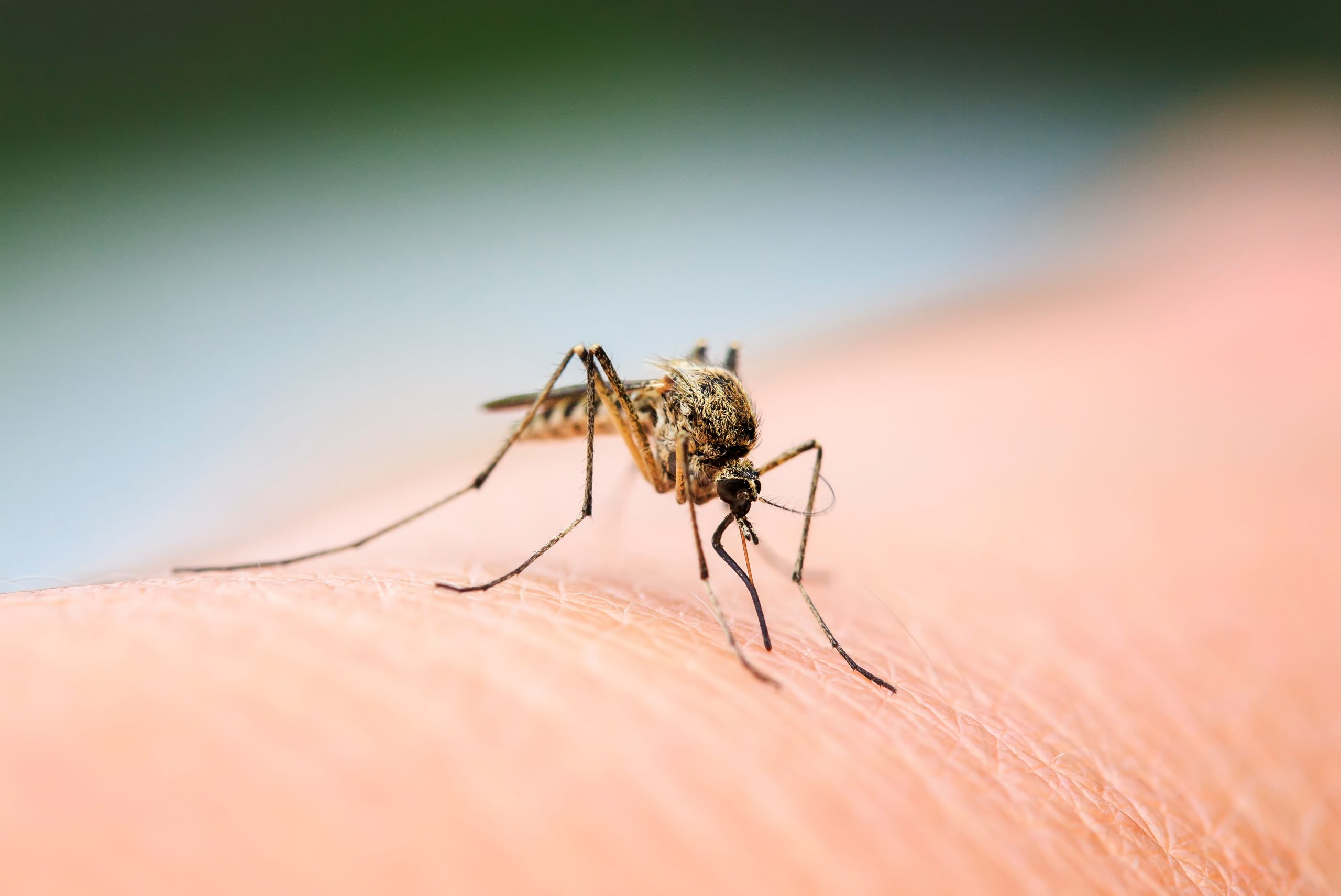
They may be small, but mosquitoes can make a big impact on summer, turning up an impacting the enjoyment backyards, parks and patios. While they might be pesky, infected mosquitos can carry West Nile virus, which is transmitted through a mosquito bite. You can reduce your risk of exposure to West Nile virus by eliminating mosquito breeding sites, such as standing water, and using personal protection against mosquito bites.
What is West Nile virus?
West Nile virus is a mosquito-borne illness that can cause mild flu-like symptoms in most people, but in rare cases, it can lead to serious illness affecting the brain or nervous system. Most people infected with West Nile virus do not show symptoms, but others can develop fever, head and body aches, fatigue, rash, meningitis or encephalitis.
West Nile virus is a potentially serious illness that is spread to people through the bite of an infected mosquito. Symptoms, severity, and duration can vary from person to person. Protect yourself by preventing mosquito bites. Avoid areas with many mosquitos, cover exposed skin, use an insect repellent when appropriate and remove stagnant water on your property.
There is no vaccine or specific treatment for humans, making prevention essential. People more than 50 or with weakened immune systems are at higher risk for serious complications.
Learn more from Health Canada about symptoms, treatment, and prevention of West Nile virus.
Extreme rainfall can cause stagnant water on properties, which can cause mosquitos to breed. Drain or dry off water that has accumulated on areas of your property like:
- old tires
- rainwater barrels
- children’s toys and wading pools
- flowerpots and wheelbarrows
- pools covers and tarps
Mosquitoes lay eggs in stagnant water, turning even tiny amounts of water into breeding sites. Community mosquito control (such as the Region’s larvicide program) helps reduce risk, but residents must also take proactive steps.
Mosquitoes need only a few millimetres of stagnant water to breed. To help prevent the spread of West Nile virus, do your best to eliminate standing water on your property.
Empty and scrub standing water sources at least once a week, including:
- Birdbaths
- Flowerpots and saucers
- Kiddie pools and toys
- Old tires
- Outdoor pet bowls
Tips to protect yourself from mosquito bites
Mosquitoes that transmit West Nile virus are most active at dusk and dawn. Limit exposure during peak mosquito hours or, if possible, stay indoors during these times.
Applying effective insect repellents containing DEET or icaridin when outdoors is also recommended. Other tips to keep in mind include:
- Wear protective clothing. Dress in long sleeves, pants, socks, and a hat when outside, especially at dawn and dusk.
- Light-coloured, loose-fitting clothing is best, as mosquitoes are attracted to dark colours.
- Special clothing and camping gear treated with permethrin can help when spending extended time outdoors (never apply permethrin directly to skin).
Preventive measures
Other preventive steps include ensuring all windows and door screens fit securely and are free of tears and holes. It is also important to store any water-catching items indoors or under cover and repairing leaking outdoor hoses or faucets to prevent small puddles from forming. If you notice persistent standing water in local catch basins, ditches, or other public areas, report it to Peel Public Health by dialing 905-799-7700 (or toll-free at 1-888-919-7800) or online.
You can sign up for email notifications of positive West Nile virus activity in Peel. Notifications are sent out from June to October.
The risk of contracting West Nile virus is low but rises as mosquito counts increase in summer. By following these recommendations, you can dramatically reduce your risk and help protect your community.
Tags
Media contact
City of Mississauga Media Relations
media@mississauga.ca
905-615-3200, ext. 5232
TTY: 905-896-5151
Get email updates