It’s time for a change: Daylight Saving Time ends
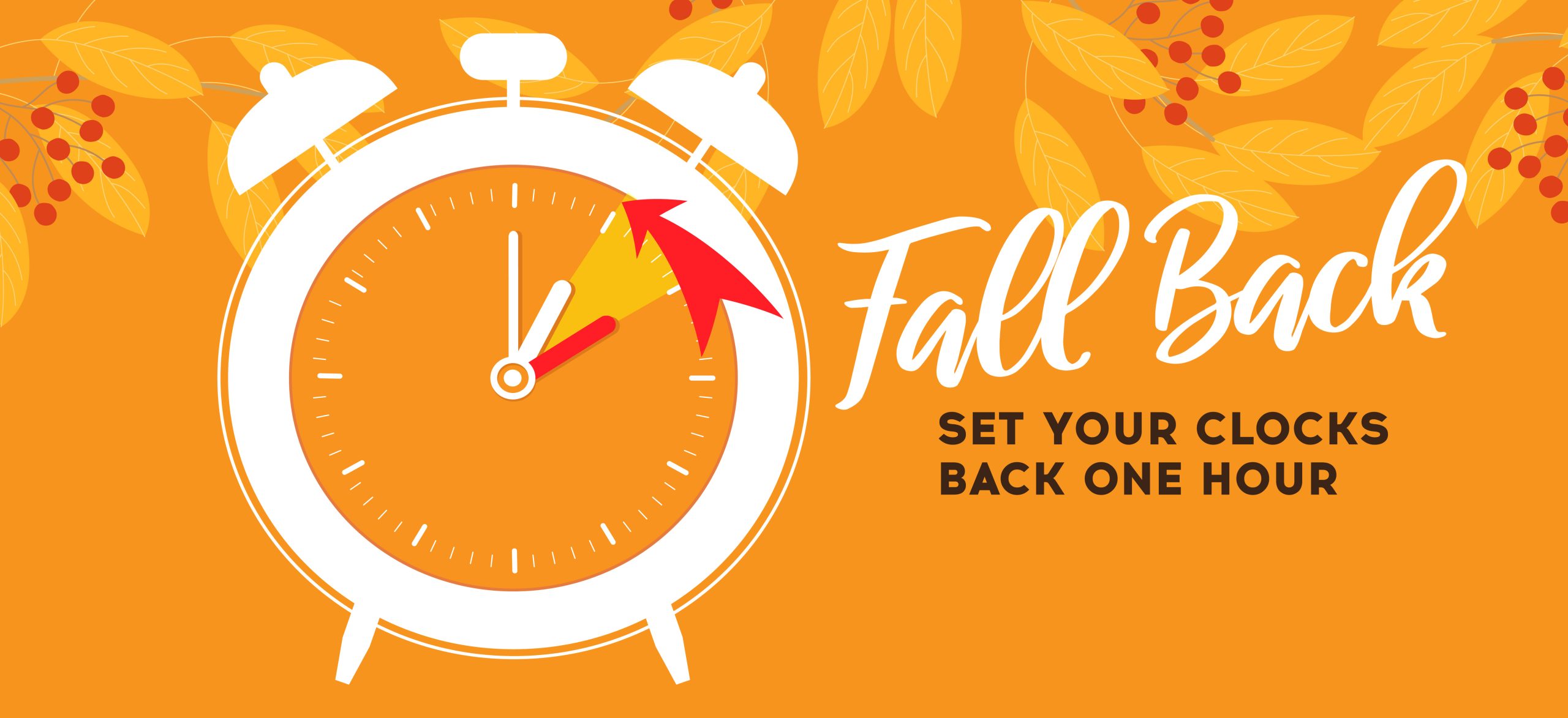
Remember to set your clocks back one hour on Sunday, November 2. We have some helpful tips to get you ready for the time change.
City services | October 24, 2025
As the last traces of summer fade and fall’s embrace tightens, the end to Daylight Saving Time gifts some of us the luxury of an extra hour of sleep. On Sunday, November 2, remember to set your clocks back one hour. Also consider taking the following precautions for the colder months ahead.
Car maintenance and driving
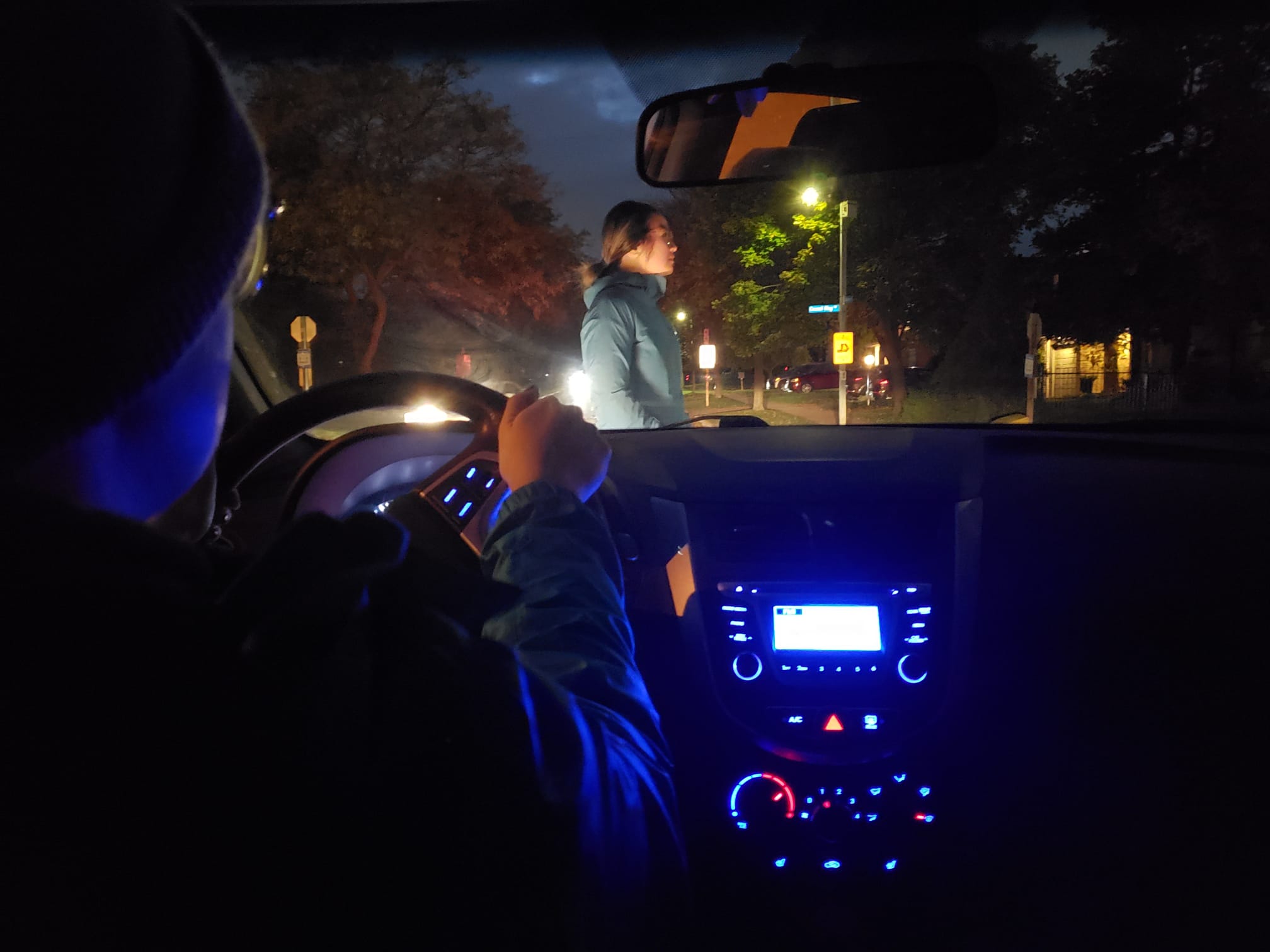
Stay alert on the roads
As daylight hours shorten this time of year, it can be more challenging to see on our roads. Whether you’re walking, cycling or driving, remember to be aware and stay alert to prevent collisions. If you’re driving, ensure your full headlights are on when it’s dark. Be aware of the posted speed limit and watch for pedestrians and cyclists, especially when turning. Other travellers should use designated crosswalks or crossrides where possible to cross the road. Cyclists and people on scooters must have lights and reflectors on.
Put on your winter tires
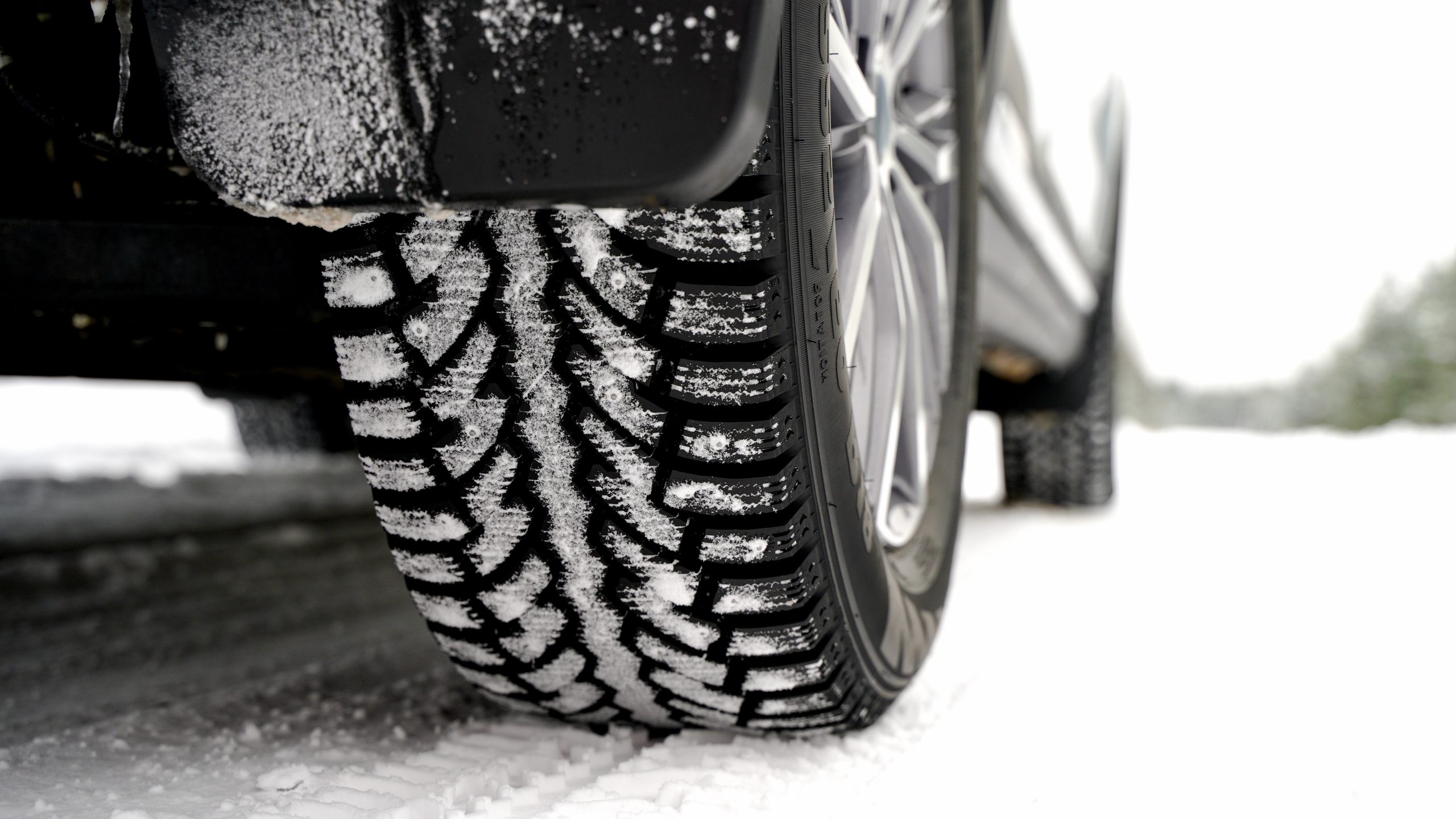
Winter tires are designed for cold climates and offer enhanced traction, giving a better grip on roads and reducing braking distances. Try to get your tires on before temperatures dip below the freezing mark.
Winterize your car
Before the snow and icy weather start, make sure your car is ready for winter. In addition to getting your winter tires put on, test your car battery, check your coolant, top up your fluids, test out your wipers blades, clean your headlights and make sure you have an emergency preparedness kit.
Indoor home maintenance
Check your alarms
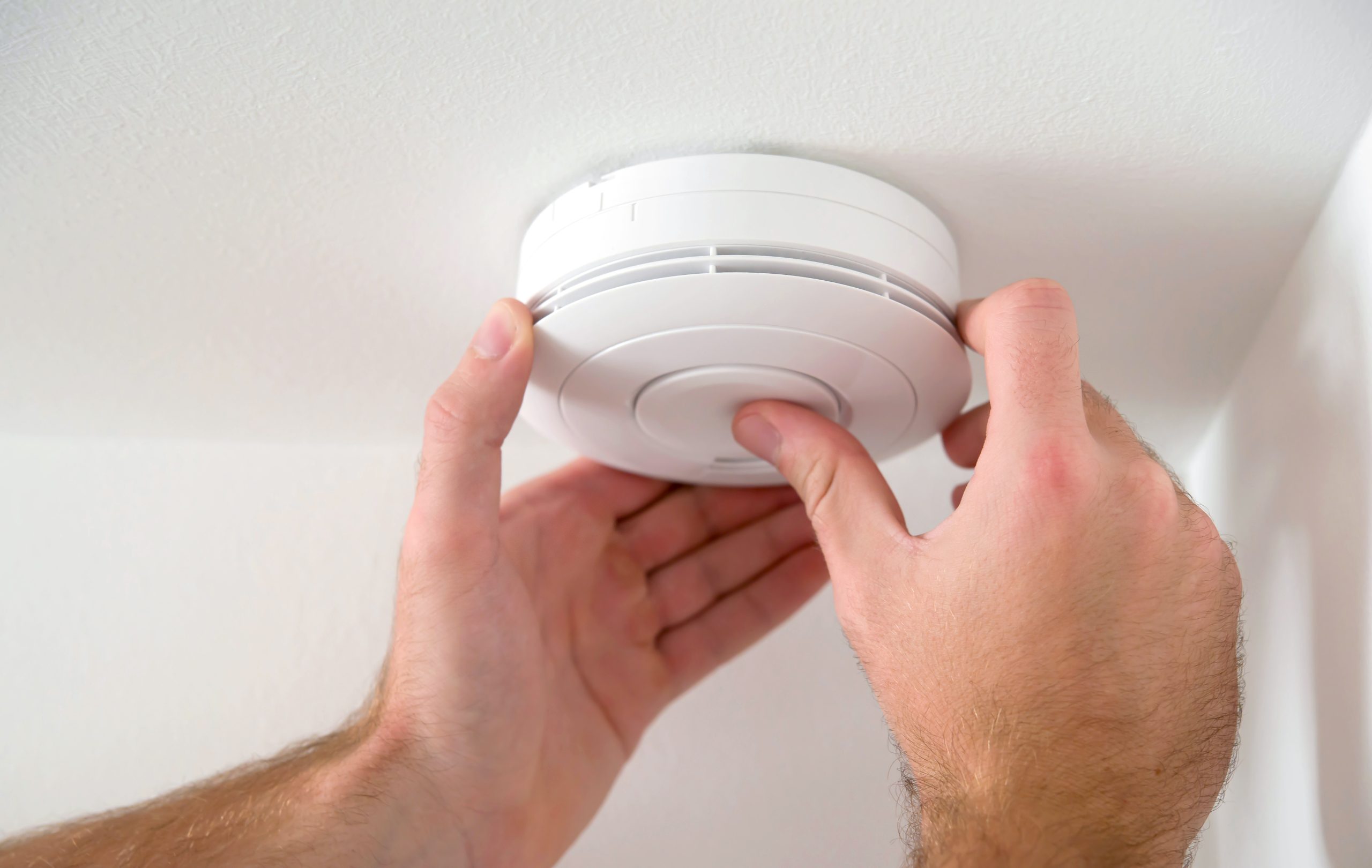
Check your smoke and carbon monoxide alarms to confirm they are working properly. Test them by pushing the test button and vacuum them to remove dust particles. Smoke and carbon monoxide alarms can lose their effectiveness over time, so if yours are expired, purchase new ones at your local home and building store. You can also change batteries once a year or when you hear the low-battery warning beep. Your smoke alarms can also be upgraded to newer models with longer battery life, so you don’t have to worry about replacing the batteries for a few years.
Clean dryer hoses, fireplaces and chimneys
It’s a good time to clean your dryer hose to prevent fires. Cleaning your lint filter, emptying or replacing your dryer hose and regularly checking the vent and exhaust can help prevent fires. While you’re at it, check that both your fireplace and chimney are cleaned and inspected. Clogged chimneys can cause house fires and carbon monoxide poisoning. Make sure your chimney flue works so you don’t experience drafts.
Check for leaks
Insulate pipes
Insulate any exposed pipes in unheated areas, like basements, crawl spaces and attics to prevent them from freezing and bursting when the weather gets really cold.
Check your humidifier and furnace filter replacement
Ensure your humidifier is running smoothly and keep humidity levels balanced in your home for comfort and health. This is also a great time to remember to change your furnace filter and service your heating system to ensure it runs safely and efficiently before the cold weather arrives. Change the furnace filter at least every three to six months to improve air quality and efficiency.
Reverse ceiling fans
Switch the direction of your ceiling fans to clockwise. This will push warm air down and can help you feel warmer without raising the thermostat.
Outdoor home maintenance
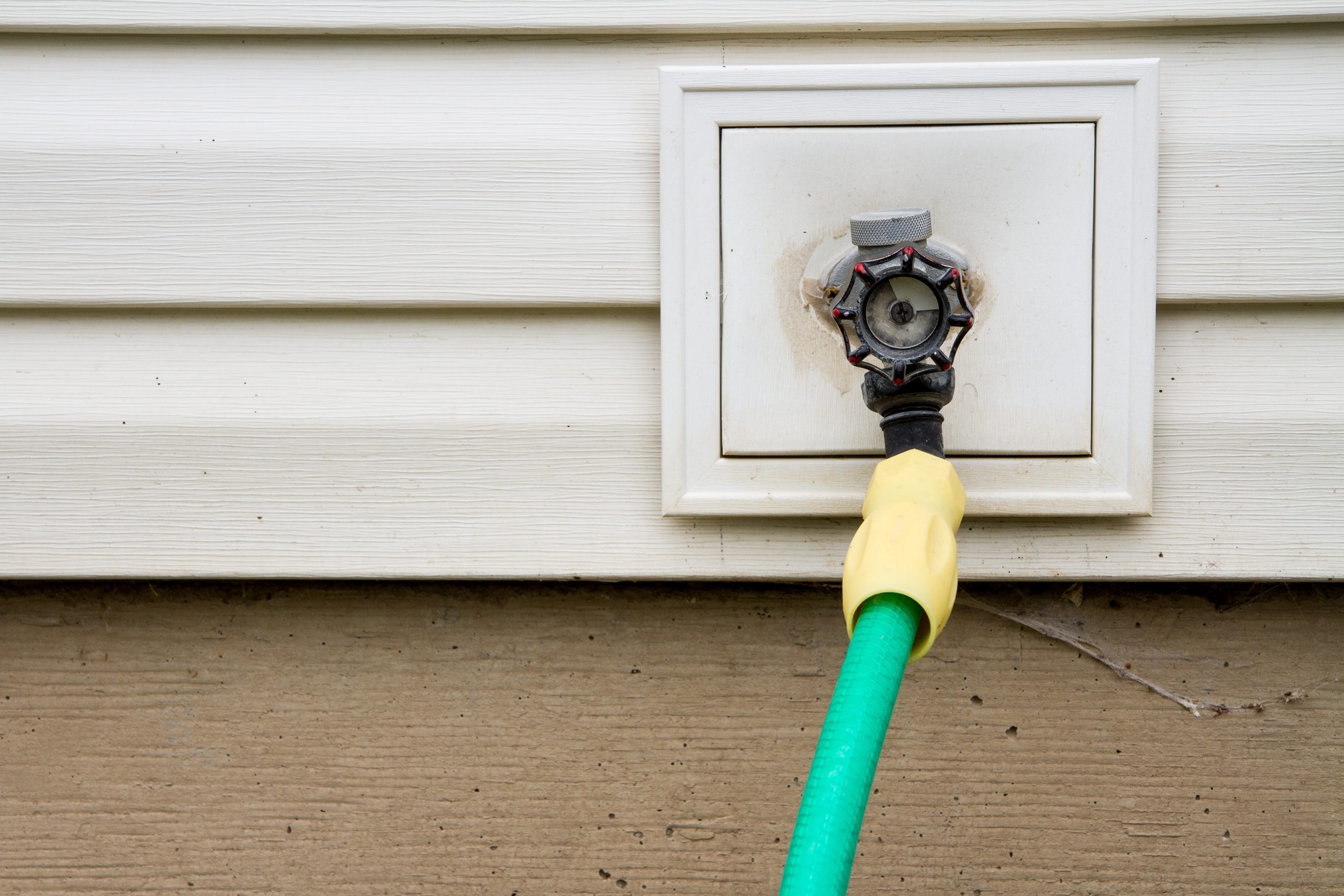
Shut off water to your garden tap and hose
Drain water from outdoor hoses and shut off outdoor faucets from indoors pipes to prevent them from freezing once the temperature falls below zero. If water is not drained during the winter, it could freeze and cause your pipes to burst. Remember to keep the heat in your home on to help plumbing pipes stay warm.
Drain outdoor pools, hot tubs and spas
Pool chemicals harm downstream creeks. Stop adding chemicals to the pool or spa for seven to 10 days and neutralize the pH before draining the water. Leave the cover off to allow sunlight to break down the chlorine. On dry days only, drain water slowly onto your lawn or by a hose long enough to reach the street. Saltwater pools, which contain high levels of salt (sodium chloride), should be slowly drained using a garden hose into a sanitary drain like a basement floor drain, sink or shower. Monitor this discharge closely to avoid a backup.
Clear stormwater drains
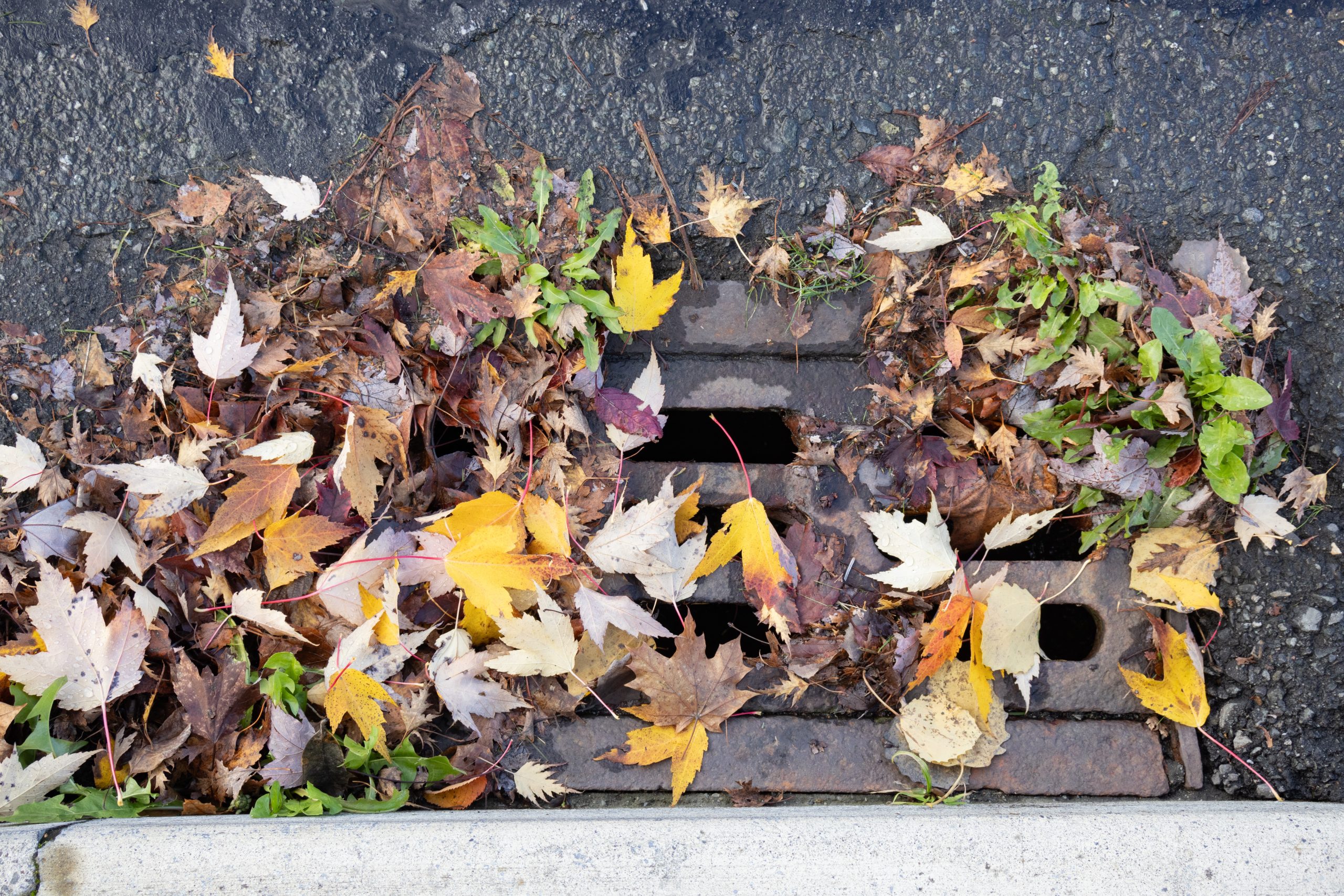
Ensure that stormwater (rain and melted snow) can flow freely from your roof. Clear home stormwater drainage infrastructure of garbage, debris or leaves that block the flow of water away from your home. This includes eavestroughs, downspouts and private storm drains on driveways or your backyard. Leaves that collect on roadside storm drains can prevent rainwater from draining.
Channel water away
Ensure that eavestroughs, downspouts and basement window wells on your home are clear of leaves, debris and any blockages, and that downspout extensions direct water away from any building foundations and onto your own property. Window wells can be covered with clear plastic covers to keep debris out but must still permit escape. Rain barrels should be disconnected and emptied, before they can be damaged by frost. Water from the downspout should be directed onto your own property at least one metre (up to two metres recommended) away from any adjacent properties and building foundations.
Rake those leaves
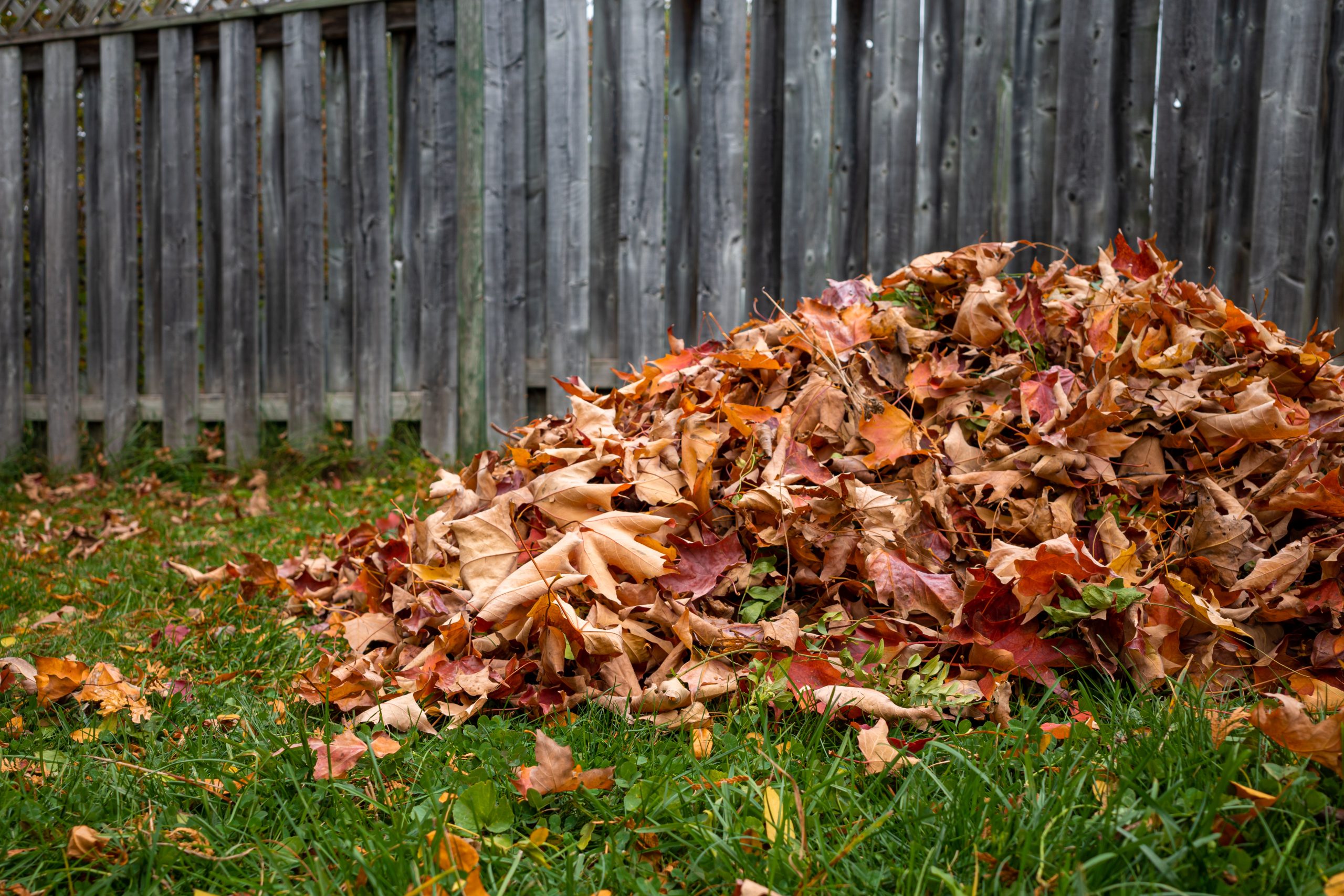
Leaves can be put in yard waste bags at the edge of the boulevard for disposal. Dry leaves can be mulched directly on your lawn to add nutrients back into your soil. If possible, safely clear storm drains with a rake or broom. Blocked storm drains can be reported to 311.
Tags
Media contact
City of Mississauga Media Relations
media@mississauga.ca
905-615-3200, ext. 5232
TTY: 905-896-5151
Get email updates