Protect your pets from cold winter weather
As residents prepare for forecasted cold temperatures, it’s important to remember pet safety.
Emergency and public safety | January 26, 2026
Winter can bring more than just a cold chill to the air; it can add elevated stress and increased risks for many household pets. From cracked paw pads on icy sidewalks, to joint pain and chemical burns from salt, pet owners need to stay vigilant, adjust routines, and pay close attention to their pets during the winter season.
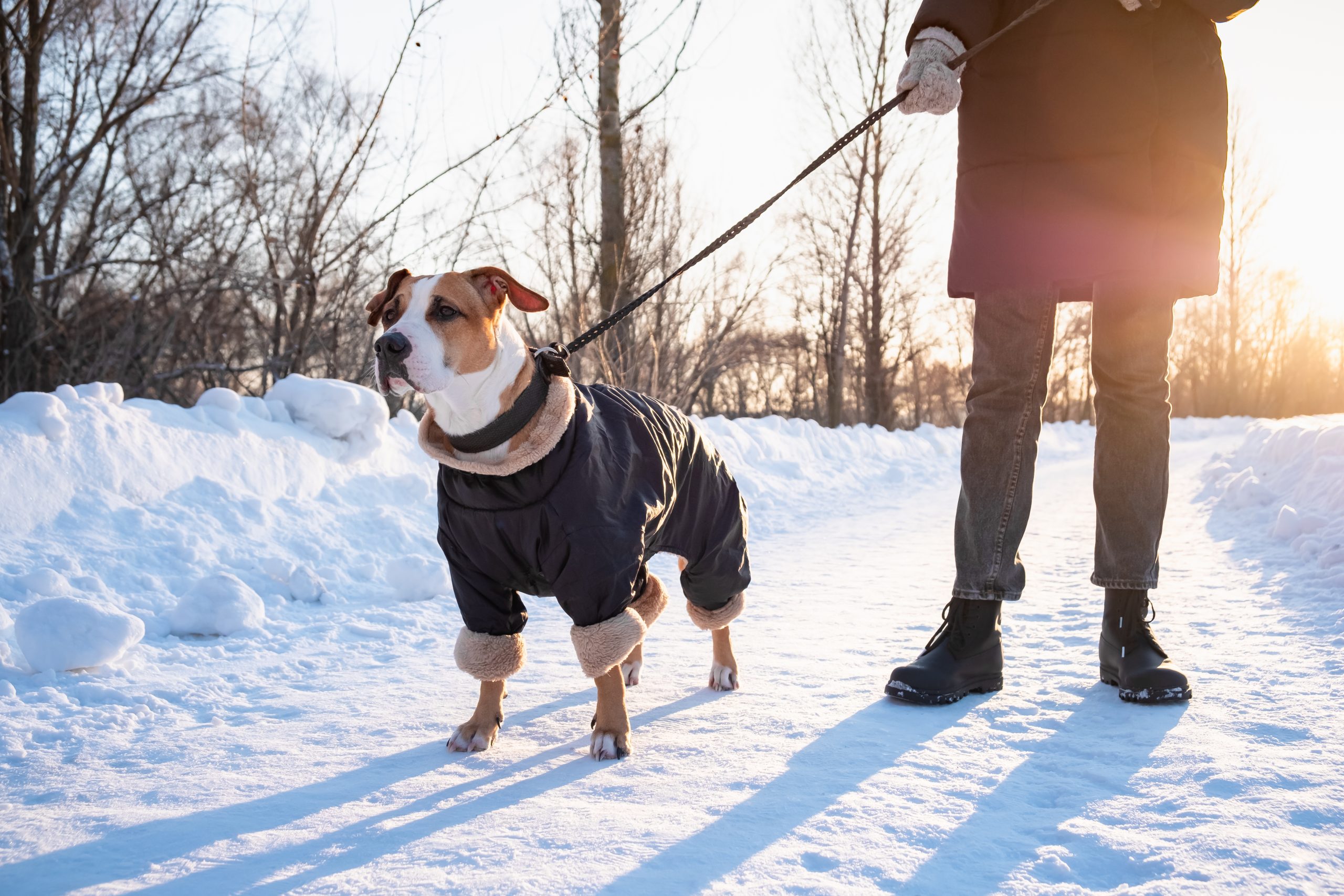
Cold weather can be hard on pets
Mississauga Animal Services reminds residents, if it’s too cold for you, it’s too cold for your pets. Take a moment to review your responsibility as a pet owner in Mississauga and help keep animals safe throughout the winter season.
Winter walks
Daily walks and bathroom breaks are important for dogs, but they should be shorter during extreme cold or winter storms. Freezing skin and tissues, particularly on the ear tips, tail, paws, and nose can lead to frostbite. It is very painful and can lead to tissue death.
When a pet’s body temperature drops below normal, they could be at risk for hypothermia. Signs include intense shivering, lethargy, weakness, and, in severe cases, a slowed heart rate and coma.
Keep an eye on your pets
Always keep dogs on a leash, even if they enjoy playing in the snow. Reduced visibility and heavy snowfall can cause dogs to lose their way and become lost. Dogs must be leashed in public spaces, except within designated leash‑free dog parks. Owners who fail to leash their dogs may be fined up to $115.
Dogs running on frozen ponds or lakes risk falling through thin ice, which can be fatal. Keep an eye on your pet at all times.
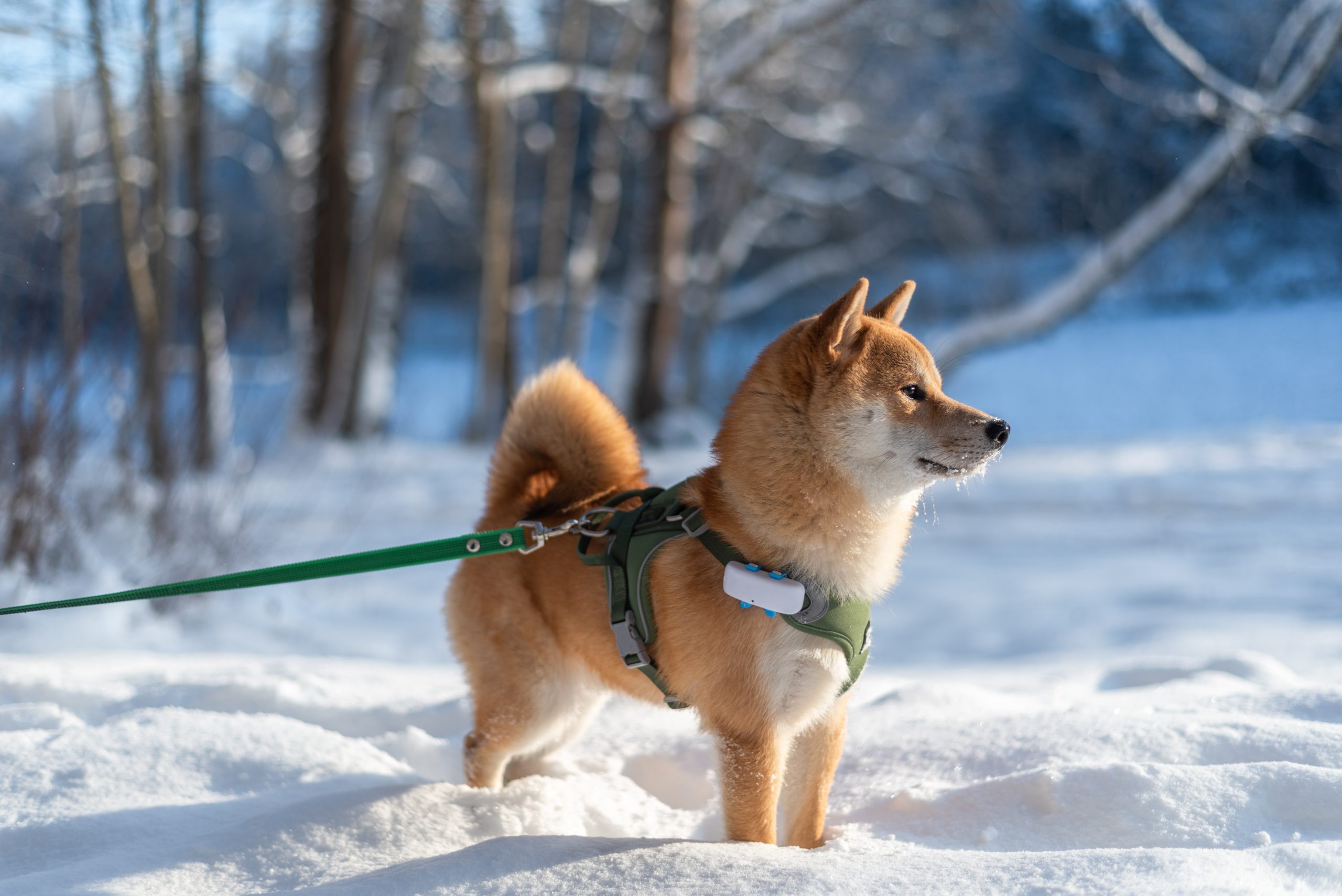
Check your dog’s coat
Sweaters, coats, jackets and boots can help some dogs stay warm in winter. How much protection your dog needs depends on their fur. Dogs with short coats, such as Chihuahuas and Italian Greyhounds, may need extra warmth, whereas breeds with thick coats, like Huskies and St. Bernards, are better protected from cold temperatures.
Check paws after walks
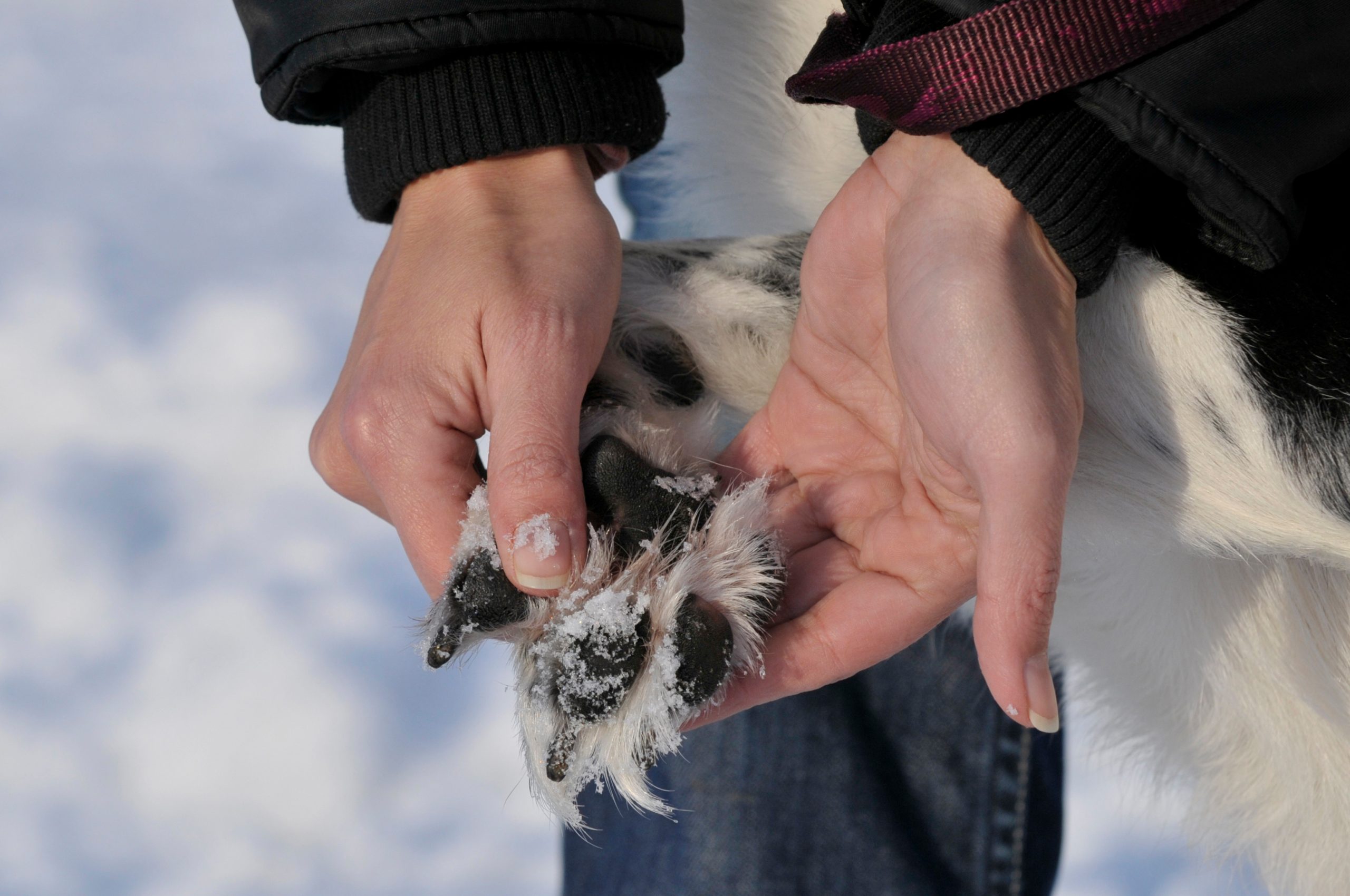
When walking your dog in the snow, ice balls can form on their legs and between their toes, causing pain and restricting movement. After some time in the snow, make sure to dust off the balls of snow to prevent matting and pulling on your dog’s fur.
Cold outdoor air and indoor heating can also leave paws itchy, dry, and irritated. Try moisturizing paw pads with a pet-friendly moisturizer every few days to avoid painful cracks.
Road salt, de-icing chemicals, and sand can cause severe irritation, inflammation, and chemical burns to paw pads. Clean your dog’s paws after walks and consider using dog boots. Repeated contact with salt can cause painful cracks or cuts to paw pads
Slips and falls
Icy, slick surfaces can cause pets to fall when on a walk during the winter, which can lead to sprains, fractures, or spinal injuries, especially in older pets with arthritis. Be cautious in areas that are not salted, as both you and your pet could slip and fall.
Check movements
Cold, damp weather often makes joint pain worse in senior pets, leading to stiffness and reluctance to move. If you see that your pet isn’t moving as freely as they usually do, they may be suffering from arthritis and joint pain due to colder temperatures. Consider taking them for a vet appointment.
Check your car before starting it
During winter, feral or outdoor cats as well as small wildlife may crawl under vehicle hoods, often seeking warmth. Starting a car without checking can cause fatal injuries from fan belts. Before starting your car, tap the hood to help scare animals away.
Many people keep antifreeze in their cars in case of emergencies. Antifreeze is poisonous to animals. If you need to keep it in your car, store it securely, keep containers tightly closed and clean up spills immediately.
Refrain from leaving your pets in an unattended vehicle in the cold weather.
Create a warm and safe shelter
Pets cannot be left outdoors during extreme weather except for brief walks or exercise unless the animal has access to adequate shelter. Some breeds can live outside during winter with proper shelter. If your pet must be kept outdoors, they must have a properly winterized shelter. Outdoor enclosures must be:
- Made of hard, durable and waterproof materials.
- Easy to clean and kept in good repair.
- Free from cracks, holes, rust and other damage.
- Designed to prevent the spread of disease.
- Adequately ventilated.
- Fully insulated on all sides, including the floor and ceiling.
- Equipped with a door flap during cold weather.
- Clean, dry and supplied with proper bedding.
Report concerns
If you are concerned about pets left outdoors in cold weather, contact Mississauga Animal Services at 905‑896‑5858 or call 311 to report the issue.
Tags
Media contact
City of Mississauga Media Relations
media@mississauga.ca
905-615-3200, ext. 5232
TTY: 905-896-5151
Get email updates