Redesigned intersections: How Mississauga is advancing road safety to prevent collisions
The City continues to improve intersections to reduce the chances of collisions by implementing new tools and measures to protect road users.
City services | July 16, 2025
In Mississauga, collisions at intersections continue to be a big concern. Factors like speeding, aggressive driving, heavy traffic and running red lights can heighten the risk of collisions at intersections – including near misses with pedestrians and cyclists. Since 2018, the City has been focused on achieving its long-term Vision Zero goal of zero traffic-related fatalities and serious injuries on Mississauga roads. Part of this effort includes redesigning intersections to prevent collisions.
In CAA’s recent study of intersections in Canada, data was gathered on pedestrian and cyclist near-misses with motor vehicles. The study revealed several design practices can help minimize near-misses. This includes the “use of turning lanes, left-turn phasing, leading pedestrian intervals, and compact intersection design.” Implementing these designs can help reduce the risk of collisions.
Improving intersections in Mississauga
As part of the City’s Vision Zero Action Plan, the City has been redesigning intersections to help improve safety for pedestrians, cyclists and drivers. Over the past few years, the City has:
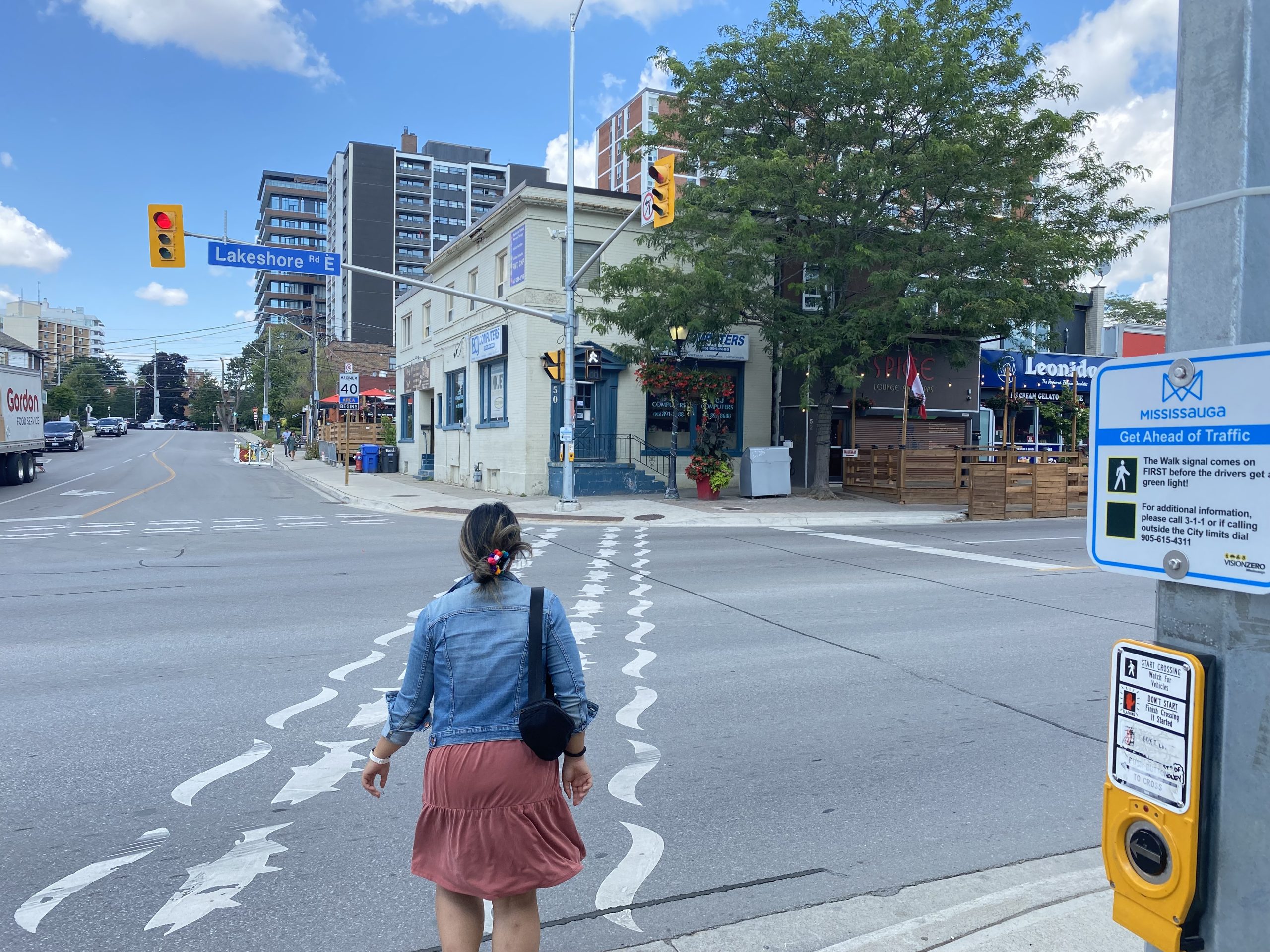
Installed Pedestrian Head Start Signals
The City has upgraded intersections with Pedestrian Head Start Signals (also known as Leading Pedestrian Intervals) at more than 150 intersections across Mississauga. In locations where there are also cycling facilities present, the City has installed Bike Head Start Signals (also known as Leading Bike Intervals) to help cyclists cross. This update gives pedestrians and cyclists a five-second head start to begin crossing the road before the light turns green for vehicles.
Improved visibility, timing and safety using enhanced signals
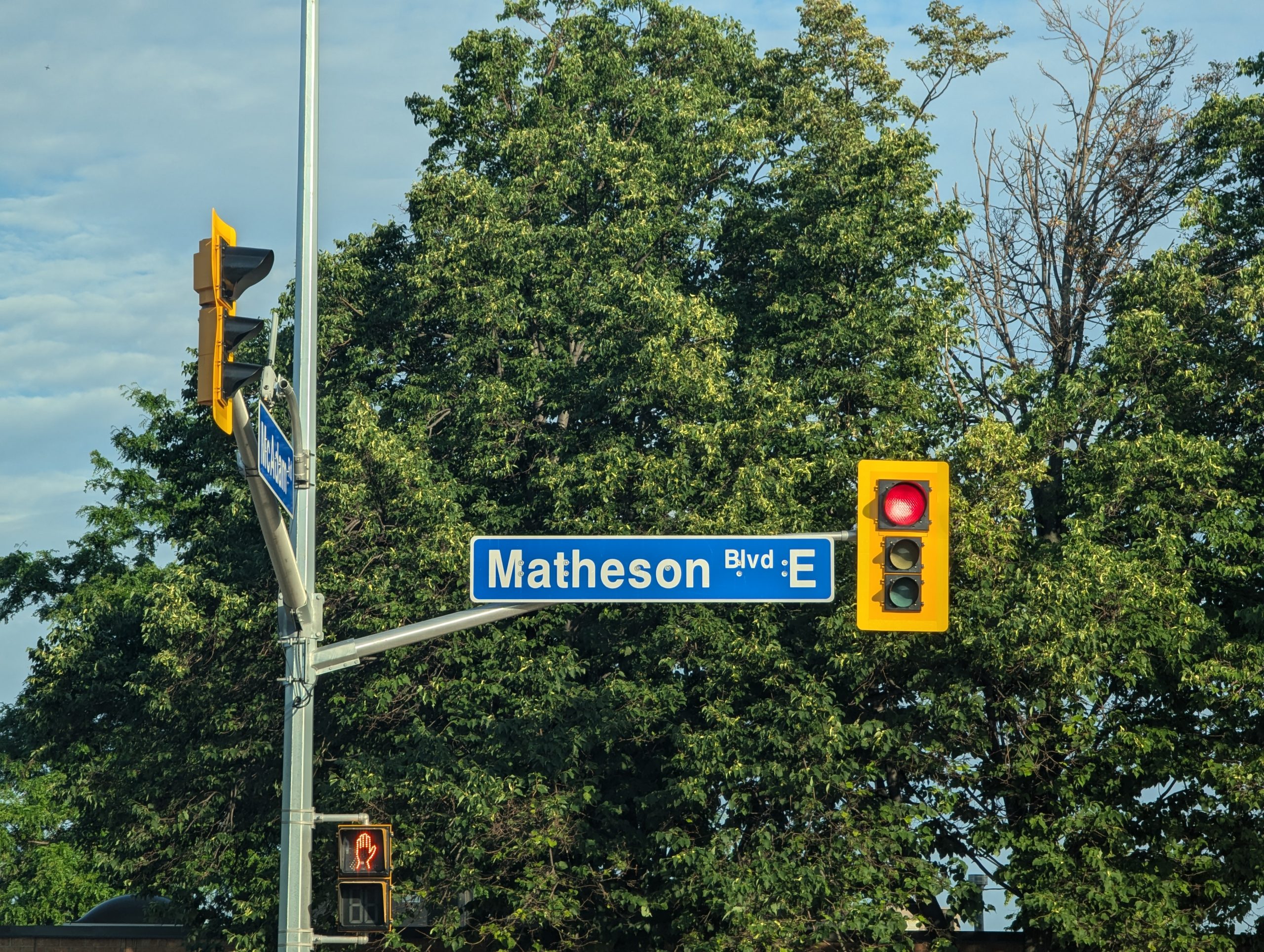
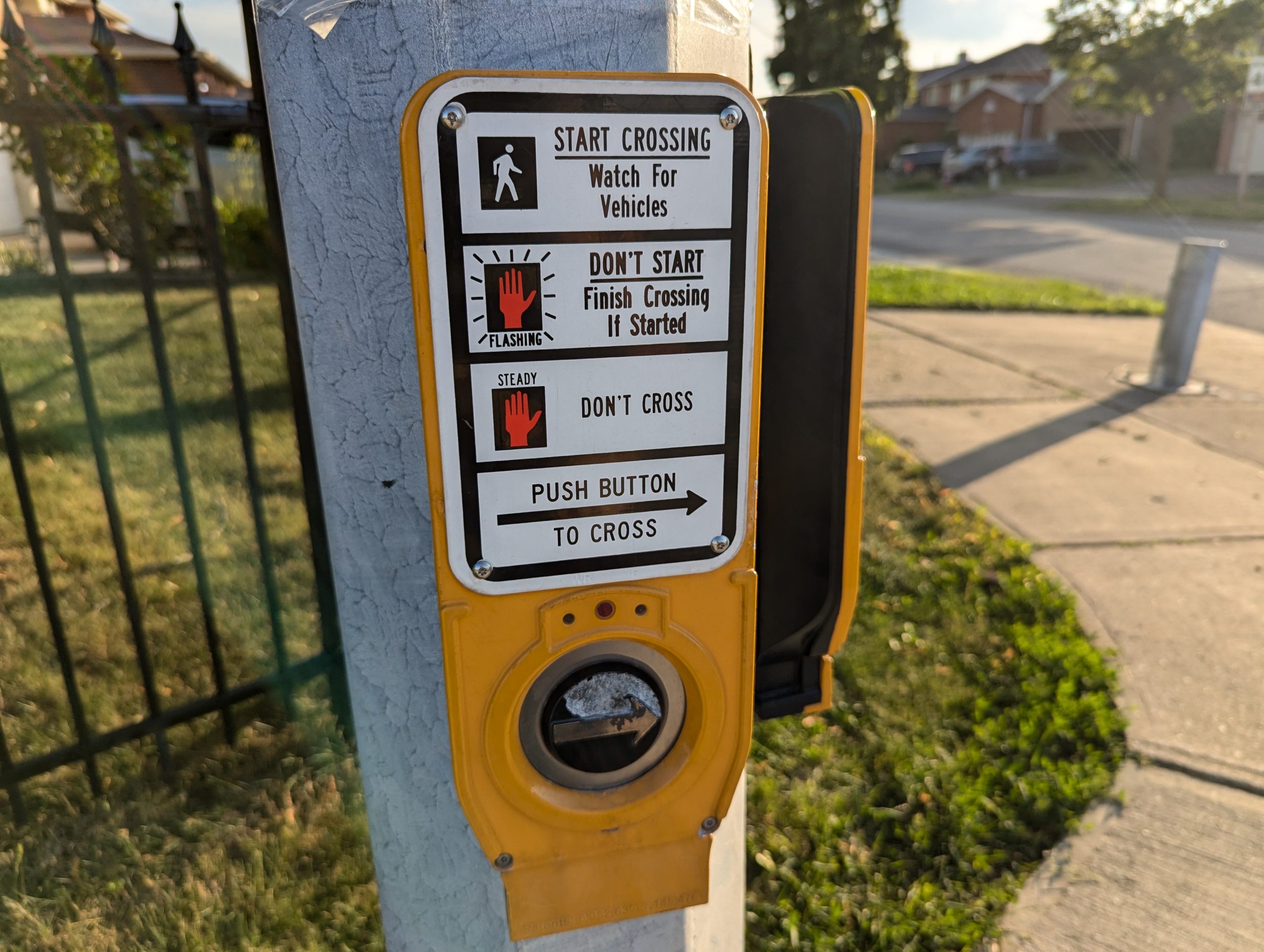
To help improve safety at intersections, the City has installed enhanced street lighting to improve visibility for drivers, pedestrians and cyclists. The City has also installed signal heads with black backboards to make the lights more visible to drivers. This helps especially at night and in poor weather conditions. Another enhancement is the installation of accessible pedestrian signals. This uses an audible chirp or chime to help pedestrians who are blind, visually impaired or deaf-blind to indicate when the pedestrian signal is active.
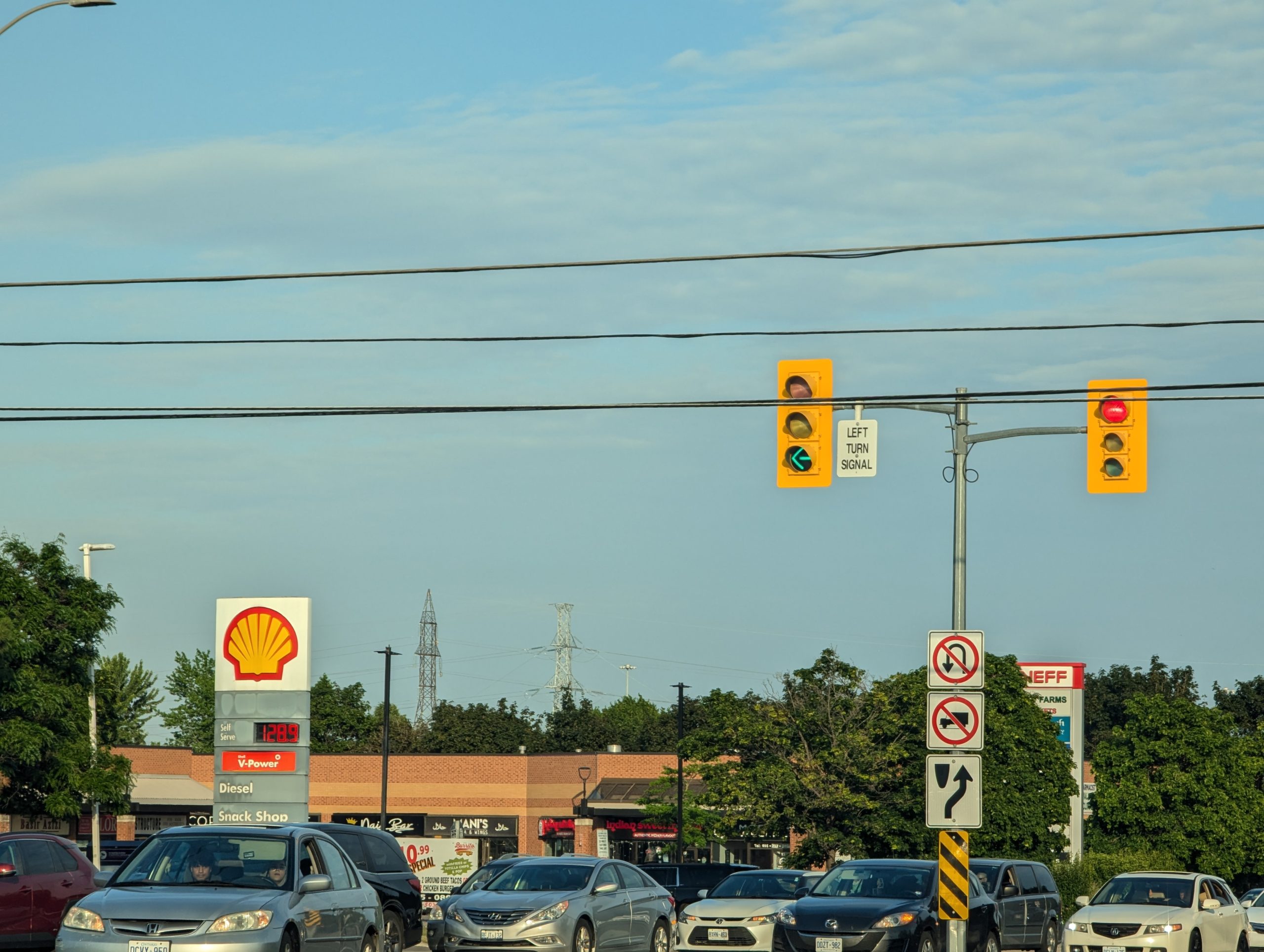
Implemented fully protected left-turn phases
Fully protected left turns provide left-turning vehicles a dedicated time (using a green arrow) to make their turn without conflicting with oncoming traffic. Drivers are only able to turn left during this dedicated phase. Drivers cannot wait in the intersection or turn left when the signal for opposing traffic turns yellow. This improves safety by eliminating the risk of collisions with oncoming traffic and promotes smoother, more predictable traffic flow for drivers.
Removed channelized right-turn lanes
A channelized right-turn lane is a designated lane at an intersection where drivers can turn right more freely. Often, drivers fail to yield to pedestrians and cyclists crossing the street as they make their turn. The City has removed these lanes in certain locations to help improve pedestrian and cyclist safety. Now, drivers must slow down and/or stop before making a right turn.
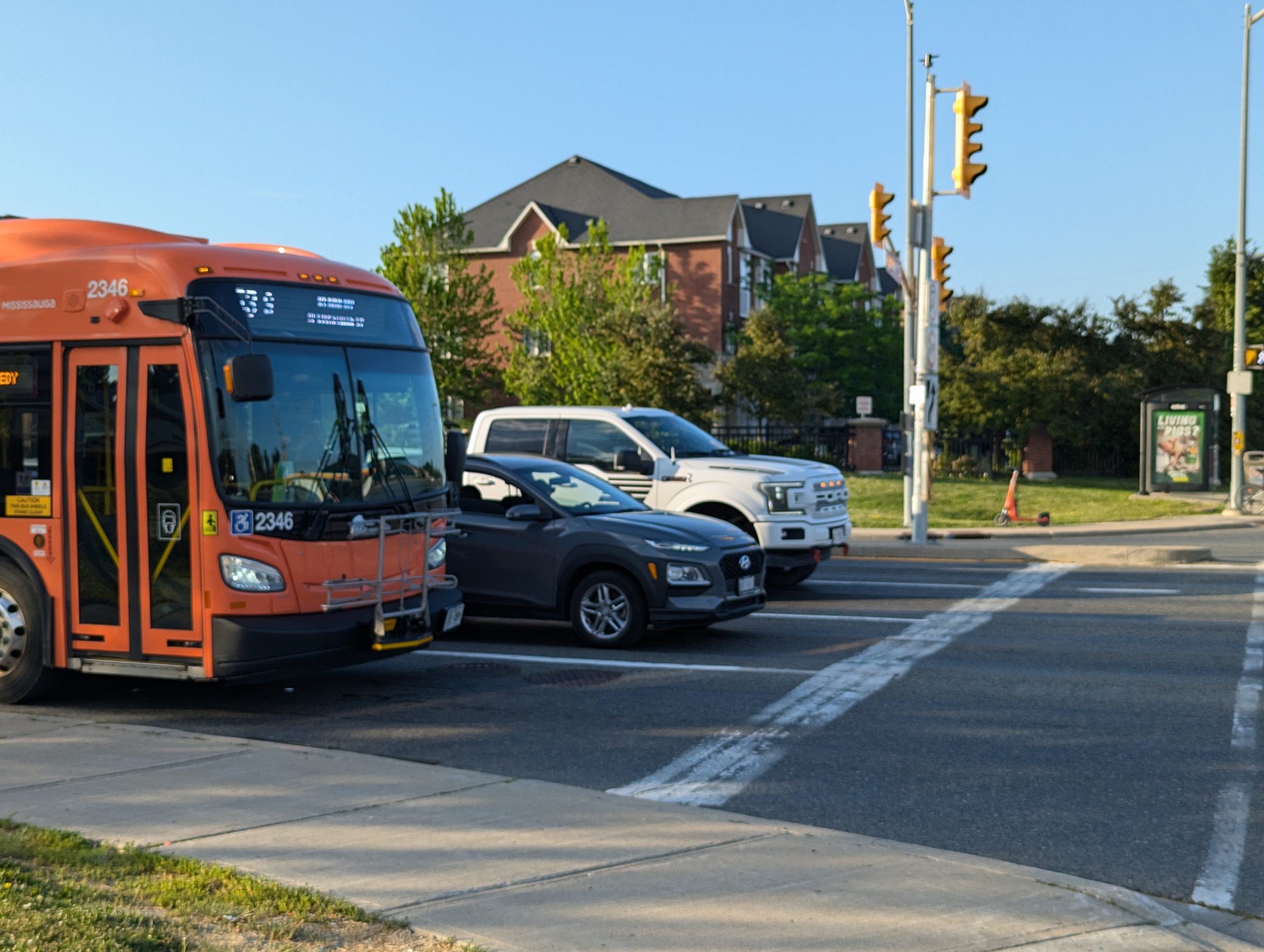
While these safety features can help reduce the risk of collisions, they cannot be applied to every intersection. Each intersection needs to be reviewed to understand potential trade-offs or constraints when making changes. This includes considerations like potential impacts to traffic and larger vehicles like buses and trucks. City staff work to identify where these features can be applied to intersections to help increase safety while ensuring traffic flows smoothly.
To learn more about other road safety initiatives and actions, visit mississauga.ca/visionzero.
Tags
Media contact
City of Mississauga Media Relations
media@mississauga.ca
905-615-3200, ext. 5232
TTY: 905-896-5151
Get email updates