Think twice before feeding wildlife in Mississauga
It may seem kind, but it puts animals and people at risk. It’s also illegal, with a $365 fine for a first offence and higher penalties for repeat offences.
City services | November 24, 2026
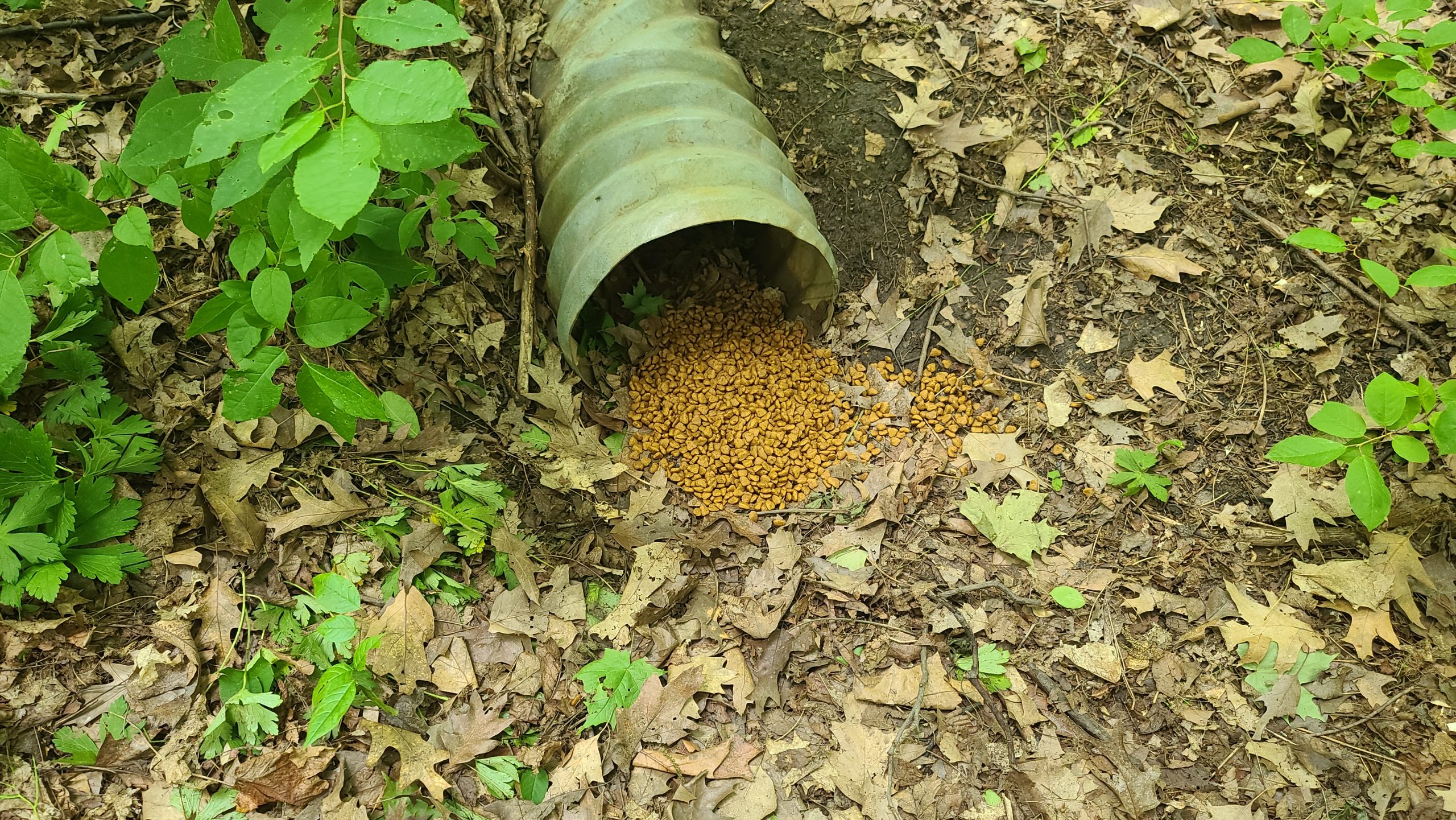
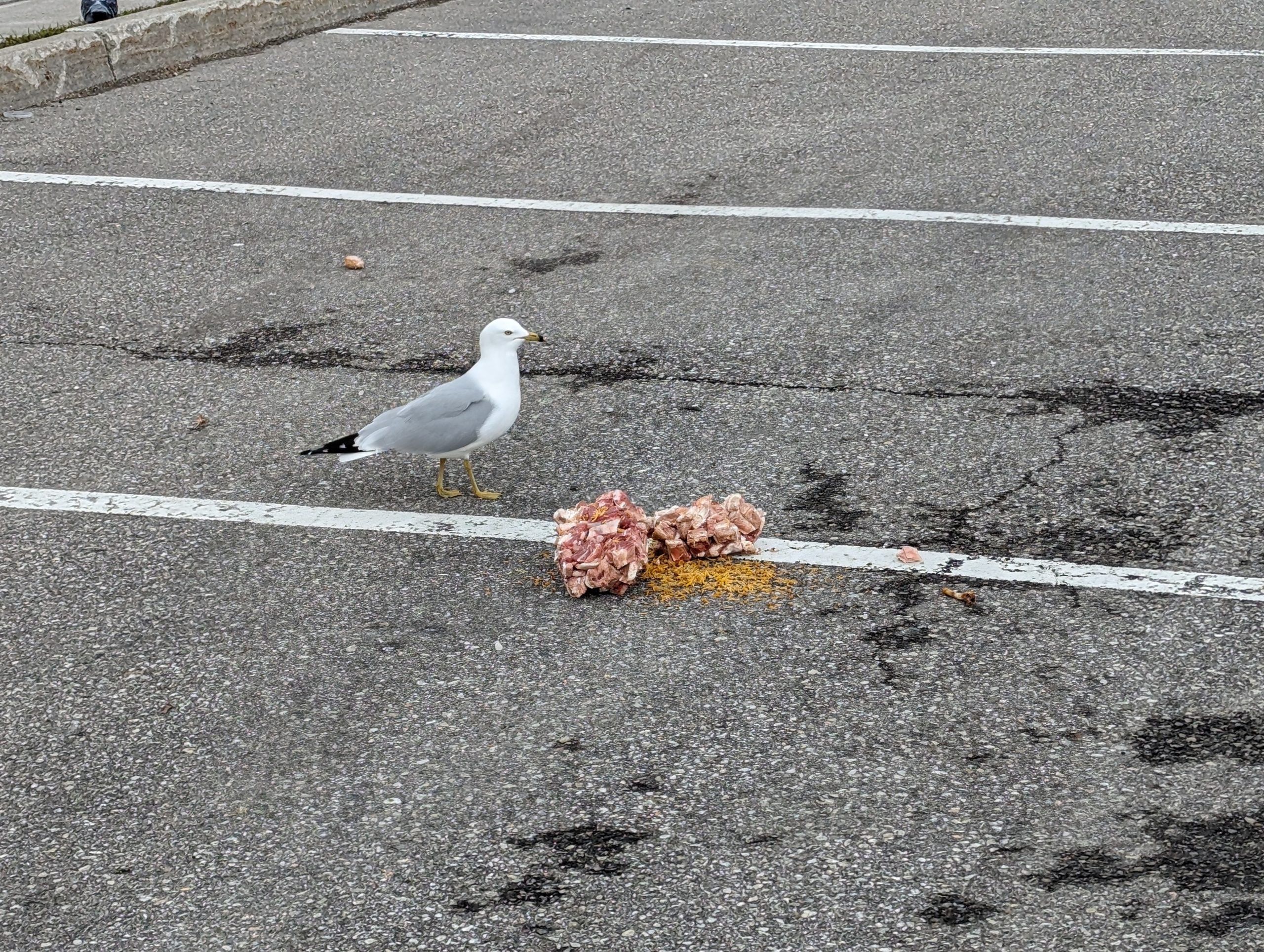
A plate of chicken left in a park. Dog food dumped near a coyote den. Birdseed scattered in a parking lot. These may seem like small acts of kindness, but feeding wildlife does more harm than good.
Mississauga is home to a variety of wild animals, including coyotes, foxes, squirrels, chipmunks and many species of birds. These animals are capable of finding food on their own and do not need our help.
Giving a wild animal an easy meal may feel compassionate, but it can put the animal at risk. The best way to help is simple: do not feed wildlife.
What happens when you feed wildlife?
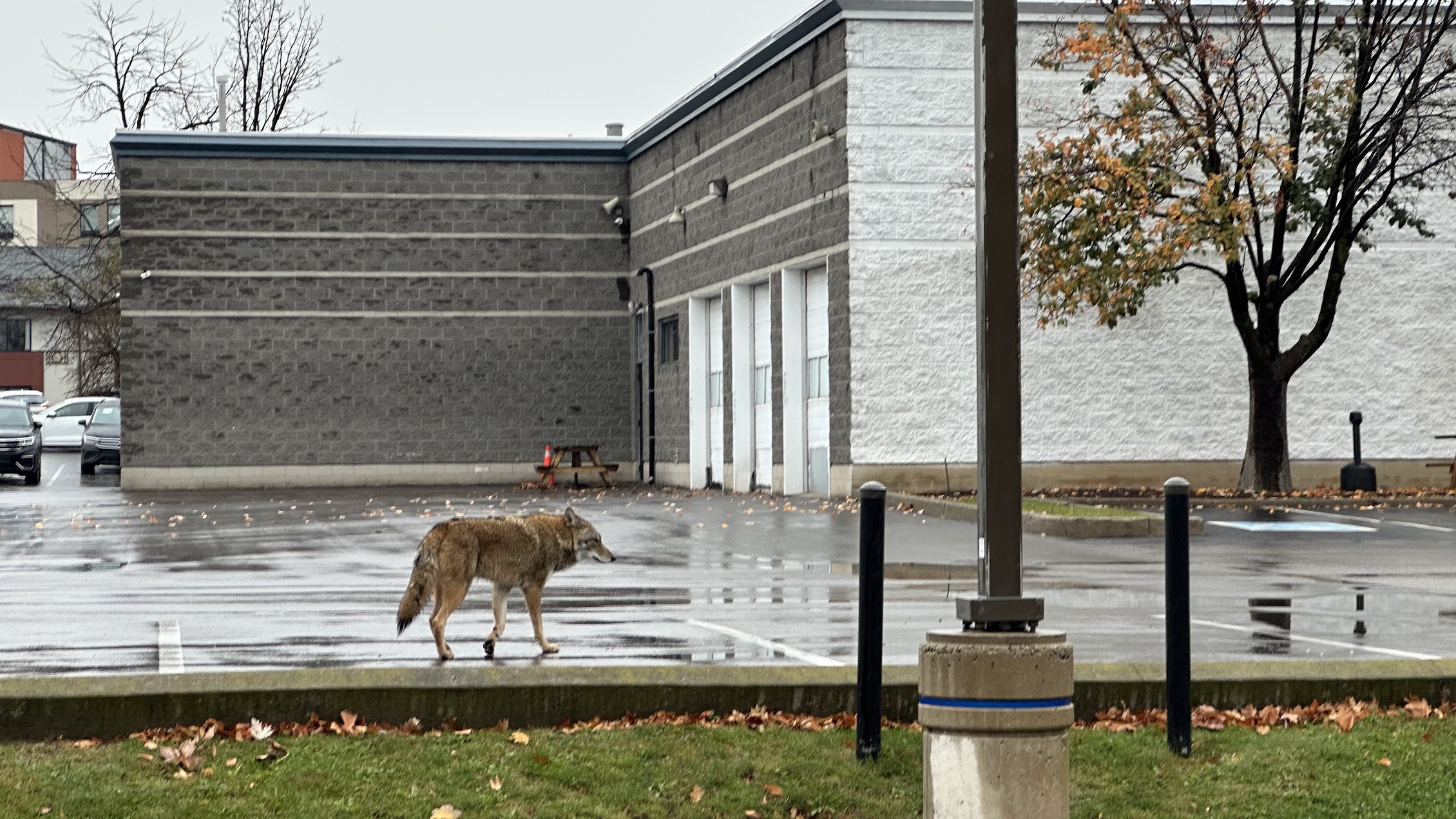
Animals can lose their natural fear of humans
Wild animals normally keep their distance from people. When they are regularly fed, they can lose that natural fear and their behaviour can become unpredictable. They may linger in busy areas or get too close to people while looking for food.
For example, a coyote that learns to associate people with food may begin approaching people instead of keeping its distance. If food doesn’t appear, it could become agitated or display threatening behaviour, such as showing its teeth.
Bunny the coyote is one example of what can happen when wildlife is repeatedly fed. Even small scraps left outdoors can teach a wild animal to associate people with food. Once these habits form, they can be difficult to undo.
Feeding can bring more wildlife to your neighbourhood
Leaving food for one animal can attract many others. Feeding pigeons or squirrels may seem harmless, but it can attract bigger groups of birds, mice and rats, as well as larger animals such as coyotes and foxes.
Once animals find a reliable source of food, they will keep returning. This can bring wildlife closer to neighbourhoods, plazas and roads, increasing the chance of negative interactions with people and pets, as well as collisions with vehicles.
You can harm an animal’s health
Pet food and human food do not provide the nutrition wild animals need and may contain ingredients that can make them sick. Feeding can also cause wildlife to gather in large numbers. This can make it easier for diseases and parasites to spread.
What Mississauga Animal Services officers are finding
Animal Services officers have found food deliberately left for wildlife at locations across Mississauga. Examples include raw meat and pet food left in parks, as well as birdseed scattered in parking lots.
Food may be found after the person responsible has left, making it difficult for officers to identify who left it and take enforcement action.
Feeding wildlife is illegal in Mississauga
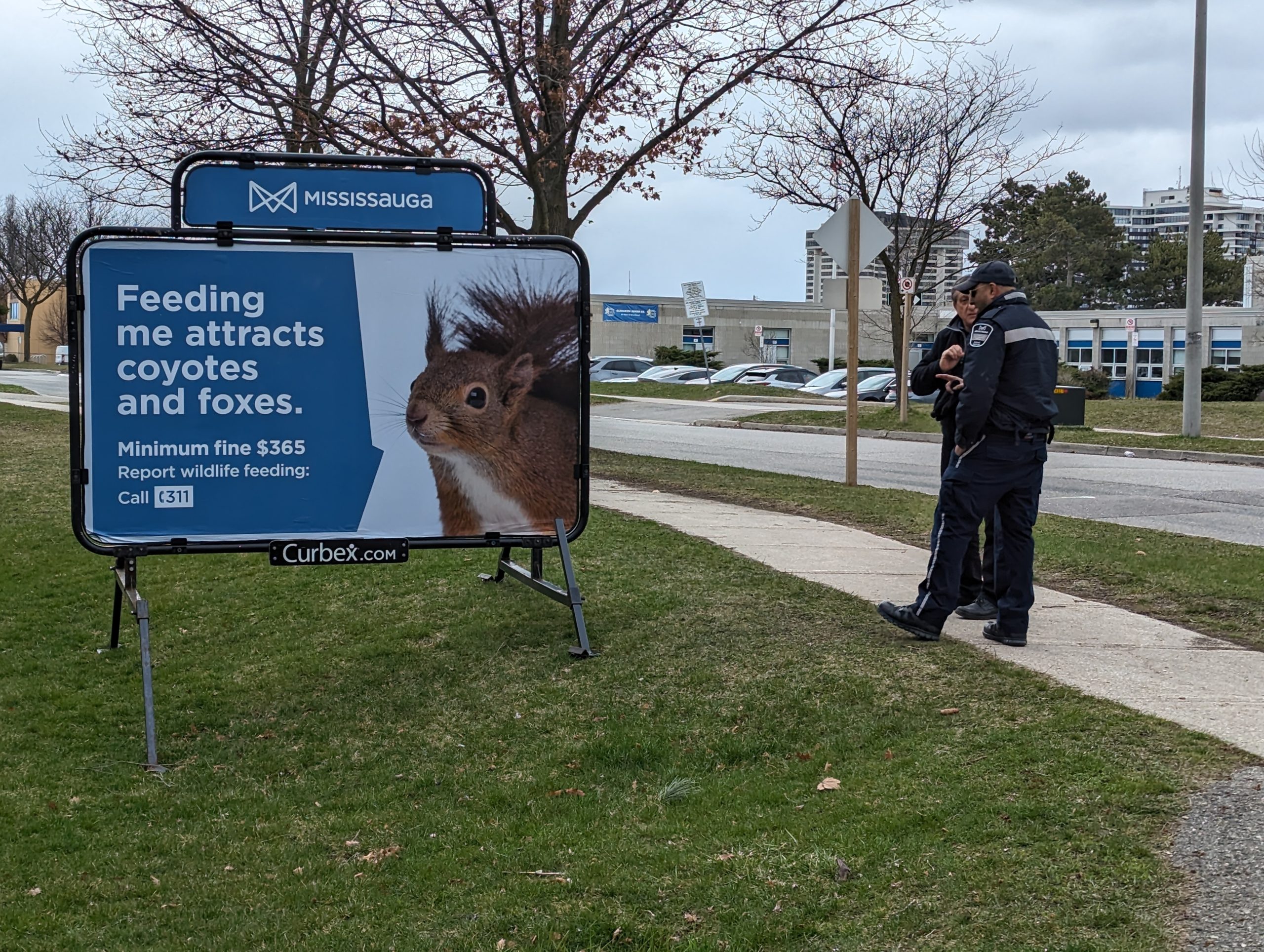
Feeding wildlife is illegal under the City’s Animal Care and Control By-law. A first offence carries a $365 fine. Penalties can increase for repeat offences, up to a maximum of $100,000 This rule applies to all wildlife, whether someone is feeding birds, squirrels, raccoons, coyotes or other wild animals.
How residents can help
You can help keep wildlife wild by:
- Never intentionally feeding wild animals.
- Talking to family and neighbours about the risks of feeding wildlife and the associated fines.
- Cleaning up food scraps after picnics or outdoor meals.
- Securing garbage and compost.
- Keeping pet food indoors.
- Keeping birdseed from accumulating on the ground under backyard bird feeders.
- Giving wild animals plenty of space.
If you see someone feeding wildlife in Mississauga, call 311 to report it.
You can also contact Mississauga Animal Services to visit your school or neighbourhood to share tips on living safely alongside wildlife. Email the Animal Services Education team for more information.
Digital assets and downloads
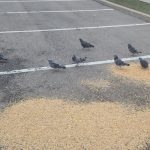
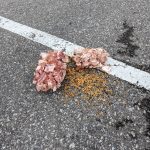
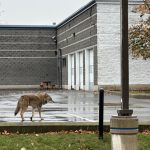
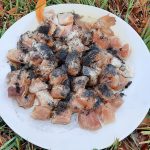
Download historical images of illegal feeding examples found across Mississauga.
Tags
Media contact
City of Mississauga Media Relations
media@mississauga.ca
905-615-3200, ext. 5232
TTY: 905-896-5151
Get email updates