Winterize your home and start your outdoor fall clean up
Conducting a thorough inspection and cleaning of your home and yard can help prevent damage caused by weather-related problems.
Environment | October 24, 2025
Before winter starts, plan on giving your home and yard a good inspection and cleaning to prevent damage from weather-related issues. Winter weather can be harsh and it can increase the risk of fire damage (from heating sources), water damage (from frozen pipes) and structural damage (from wind, ice and snow build up). Being proactive, taking preventative measures and maintaining your home is important.
The best time to start winterizing your home and yard is in the fall, before temperatures drop and overnight temperatures consistently approach freezing.
Home maintenance costs can vary depending on the home size, age and condition of your home. Here are a few ways to prevent winter damage and keep your home warm and comfortable all season long.
Clear out your eavestroughs and downspouts
Making sure that your eavestroughs and downspouts are clear of debris and blockages is important for protecting your home against potential leaks and water damage.
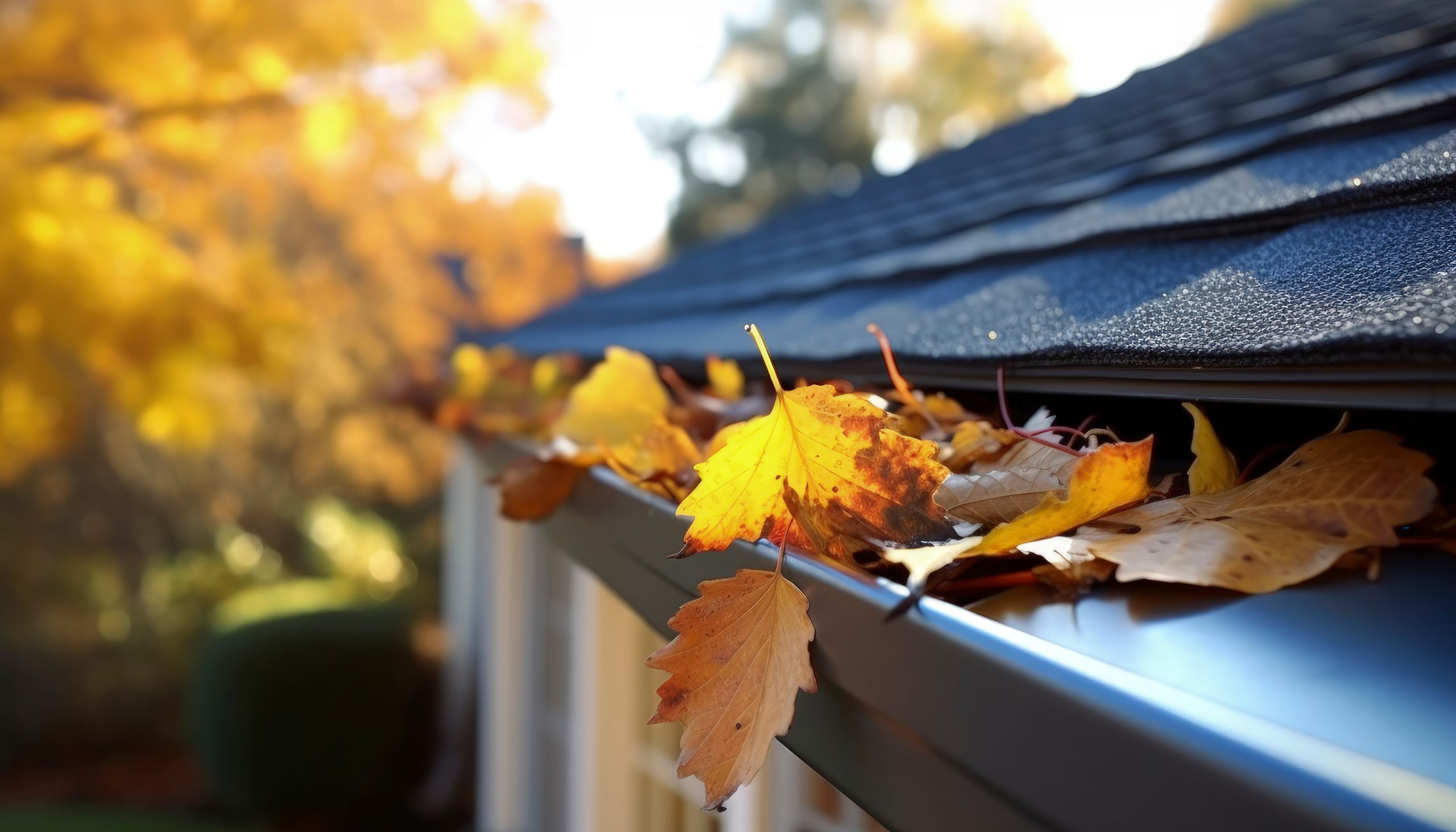
- If it is safe to use a ladder, put on a pair of gloves and scoop out all leaves, pine needles, sticks and other debris.
- Consider spraying water into the eavestroughs to make sure water flows freely and there are no leaks. Once dry, seal any seams or joints that are leaking.
- Consider disconnecting your roof downspouts from the clay or plastic pipe that connects with your basement weepers. These are the pipes that help to drain water away from your basement foundation to keep it dry. Instead, direct that water onto your lawn and garden at least three feet away from any basement foundations using an elbow and downspout extension.
Prune trees and hedges
Pruning trees and hedges before winter is crucial for promoting healthy growth in the spring, preventing damage from heavy snowfall, and improving the overall appearance of your landscape.
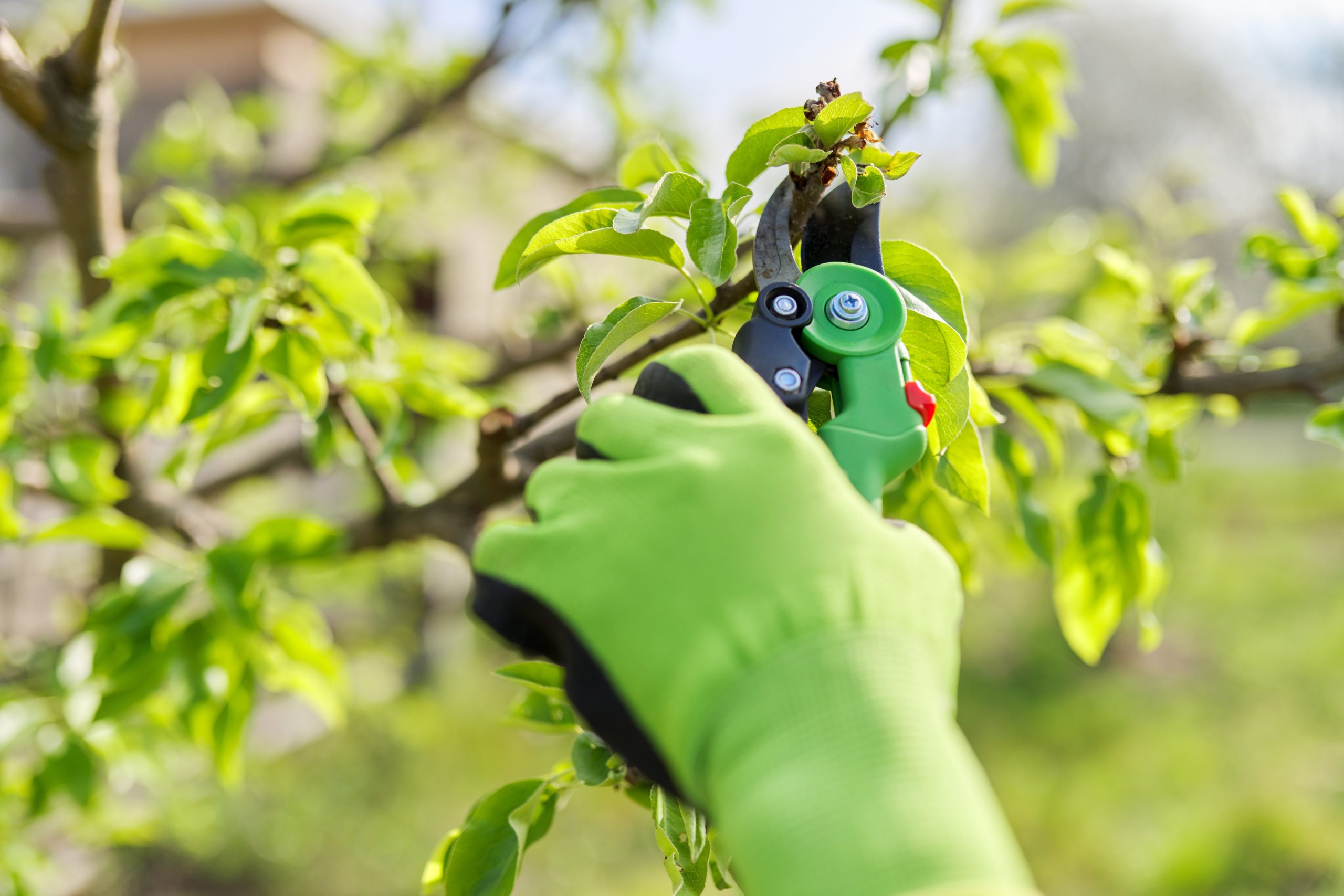
- Start with trimming overgrown bushes, hedges and plants.
- Place all yard waste in paper bags and keep them out for pick-up during scheduled waste collection.
- For trees, remove dead limbs before they weaken and fall under winter snows.
- Clean up fallen branches.
Put away your rain barrels and turn off outdoor faucets
Properly placing your rain barrels and turning off outdoor faucets help conserve water, prevent accidental flooding, and protect your plumbing from winter freeze damage.

Protecting your rain barrels from harsh winter weather helps extend their life.
- Empty all the water and rinse all components to remove any debris.
- Remove the lid and anything attached (e.g. hoses and spouts) and detach the bin/barrel from your downspout.
- Make sure to re-attach your downspout extension for the winter to divert rainwater and melted snow from your roof. Ensure it flows away from your home.
- Store your empty rain barrel upside down in a shed or garage. If it’s staying outside, keep it out of direct sunlight and make sure the wind won’t be able to blow it around.
- Turn off the outdoor water valves. Run the water until the pipes are empty. Ensure all water is drained to make sure water does not freeze and damage pipes.
Close your backyard pool until next summer
Roadside storm drains connect to local freshwater creeks and Lake Ontario, and many pool and spa chemicals can be harmful to the environment. Protect your pool and the environment through proper care and draining.
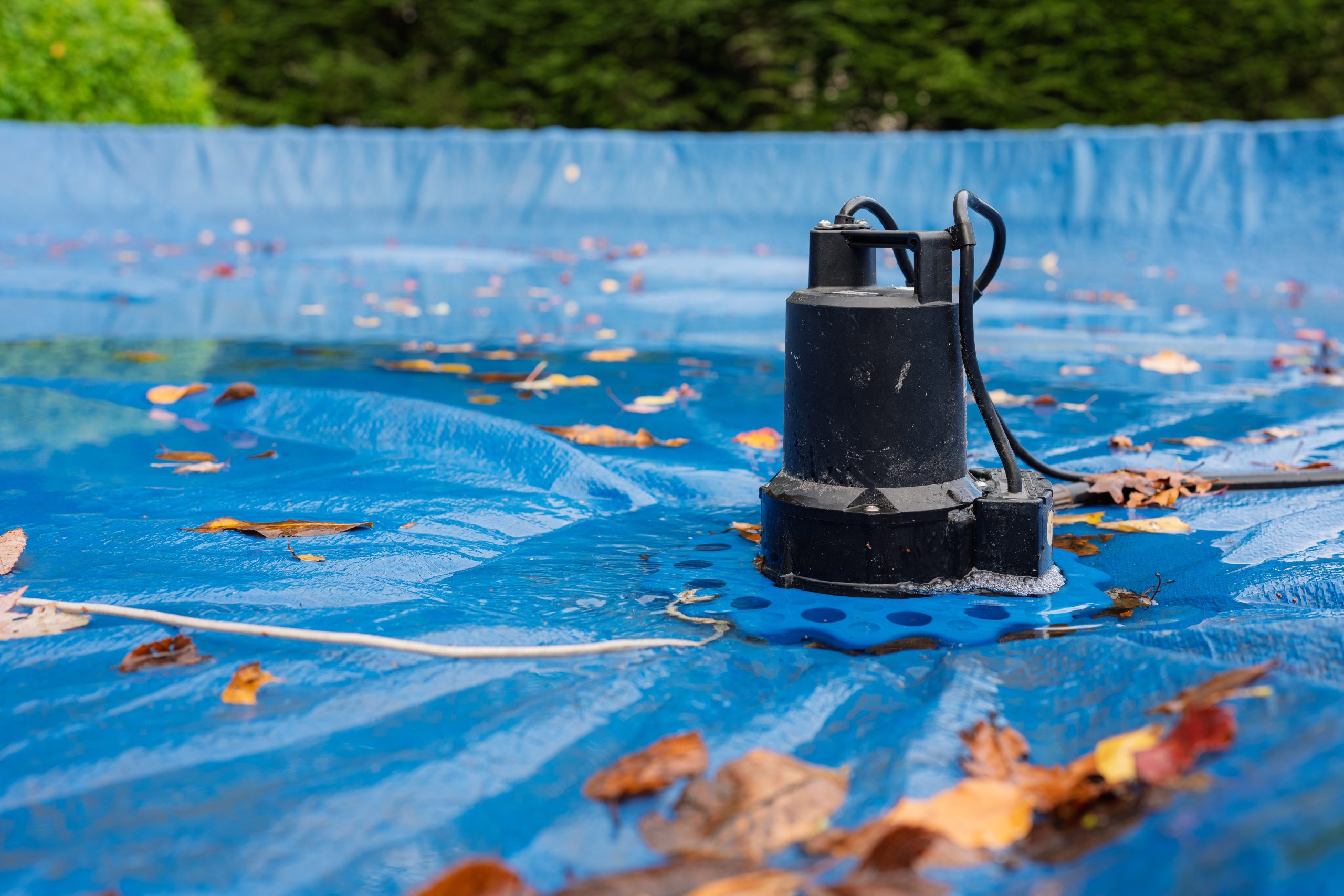
- Stop adding chemicals seven to 10 days before you plan to close your pool. During this time, keep the pool’s water surface uncovered to allow sunlight to break down the remaining chlorine.
- Discharge the pool water to the curb using a hose.
- Saltwater pools and sand filters that require backwashing should be drained slowly to the sanitary sewer, which can be done in a basement sink or floor drain. Avoid discharging your sanitary connection when using internal plumbing.
- For more information about safely discharging pool water, check out the City’s online brochure.
Use leaves to help your grass
Using leaves as mulch can nourish your grass by recycling nutrients, improving soil structure, and providing insulation during colder months. Now is a great time to give your yard a glow-up before hibernating for the winter.
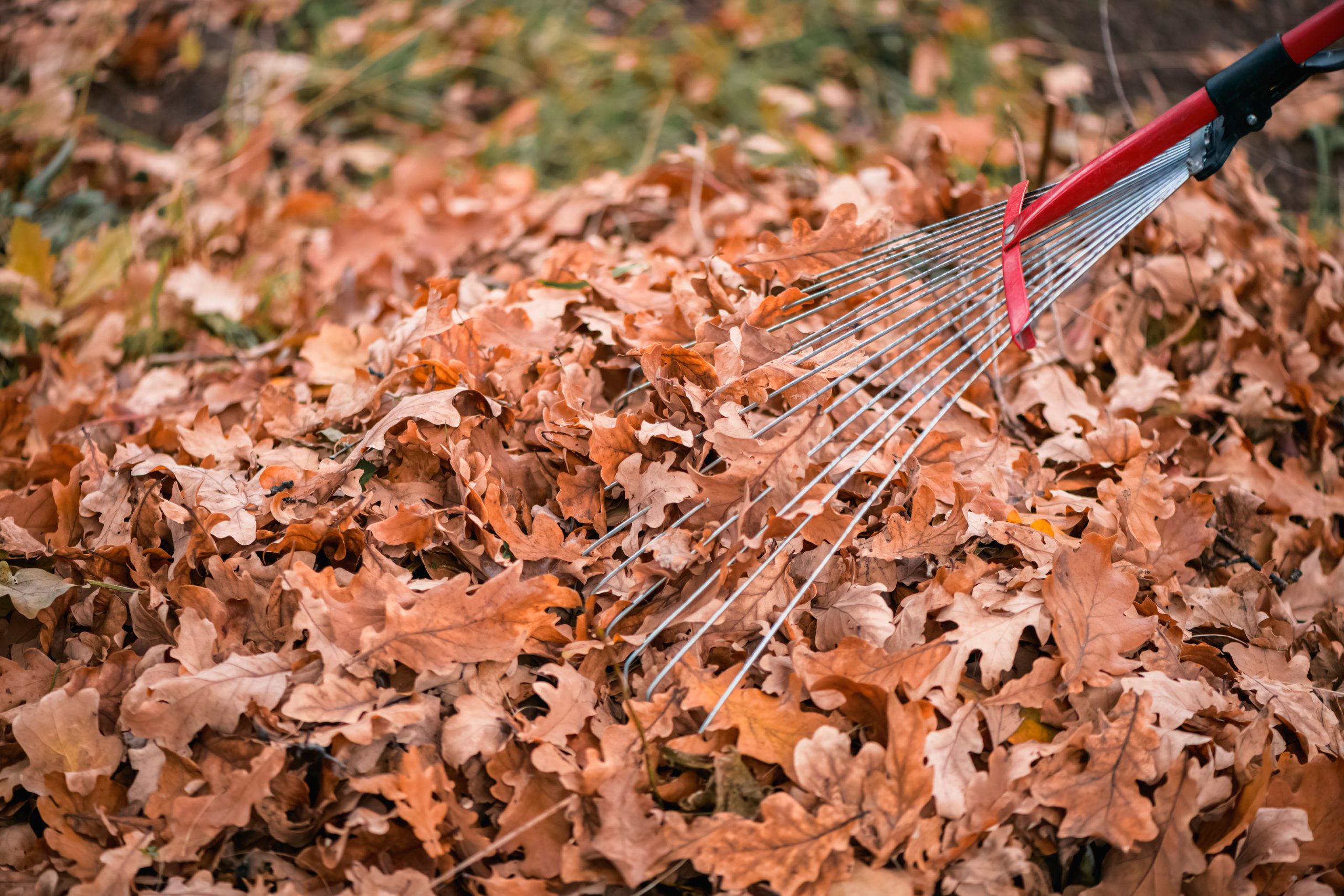
- Consider collecting your dry leaves and mulching them directly onto your lawn. Leaves contain nutrients that help to keep your lawn and trees lush and healthy.
- If safe to do so, trim any tree branches that may break and fall during the winter. Consider bringing in a professional arborist for any branches that are higher up.
- Rake up any remaining leaves and consider composting them to use as a fertilizer in next year’s garden. Remaining leaves can be put in yard waste bags for disposal.
- If using a leaf blower, remember to be respectful of your neighbours and use it between the hours of 9 a.m. and 7 p.m. as per the City’s Noise Control by-law.
- Avoid piling leaves on the road or on top of roadside catch basins, which can lead to slippery conditions and flooding on your street.
Check your roof
Regular roof maintenance and inspection are essential to extend the lifespan of your roof, prevent costly repairs, and ensure the safety and comfort of your home.
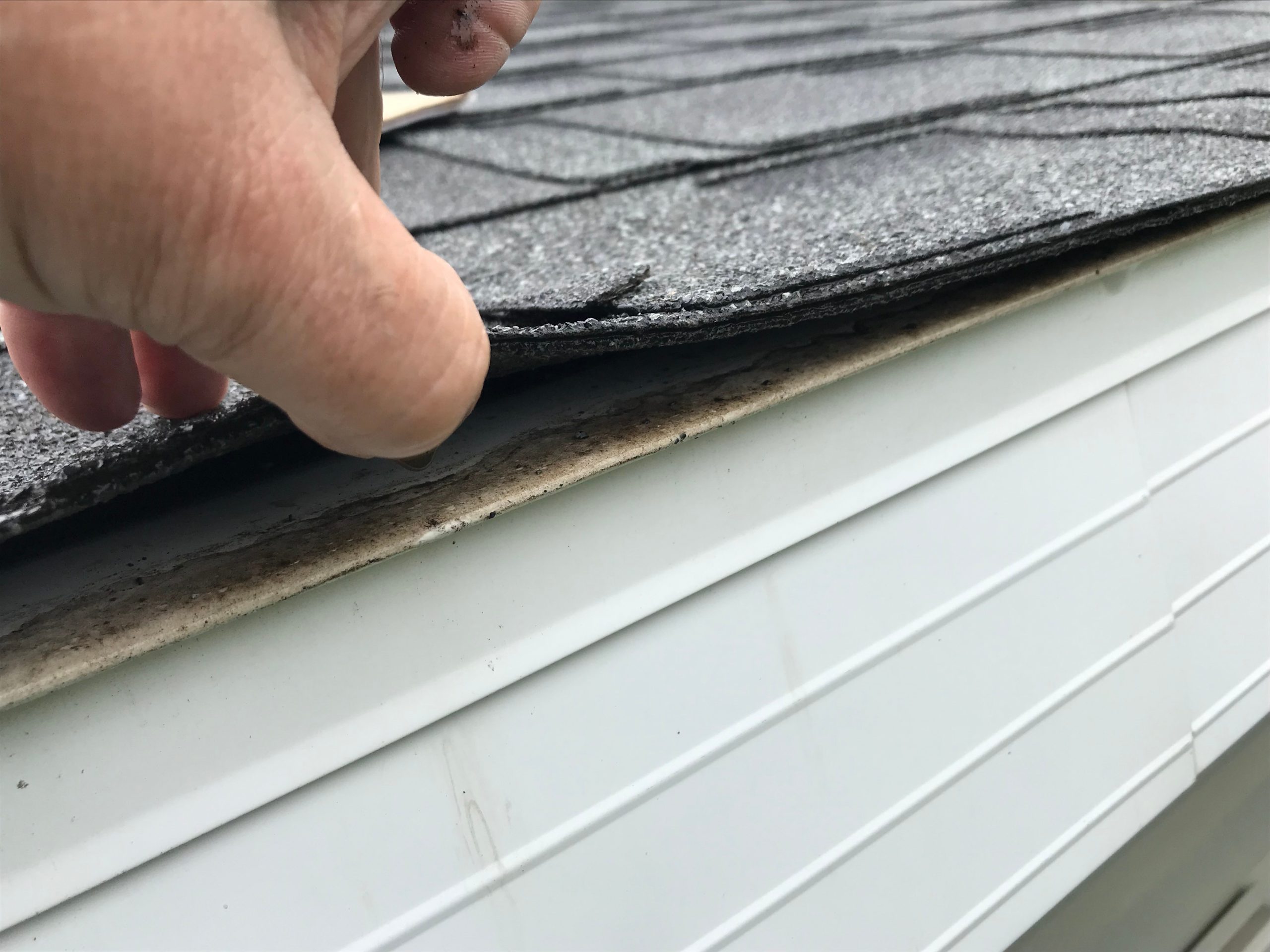
- Conduct a quick inspection of your roof to check for loose or broken shingles.
- Check to see if shingles are intact and repair any loose shingles.
- Apply roof repair glue to any loose shingles to help avoid leaks or damage.
- Check chimneys. Look for structural problems, obstructions, blockages, buildup. Consider hiring a professional for an annual inspection and cleaning.
- Remember not to cover roof vents as they are crucial for preventing ice dams and moisture buildup. Proper ventilation allows warm, moist air to escape the attic and prevents snow from melting and refreezing at the eaves, which causes damage.
Seal gaps and cracks
Sealing gaps and cracks around windows and doors is crucial for improving energy efficiency, reducing heating and cooling costs, and enhancing overall comfort in your home.
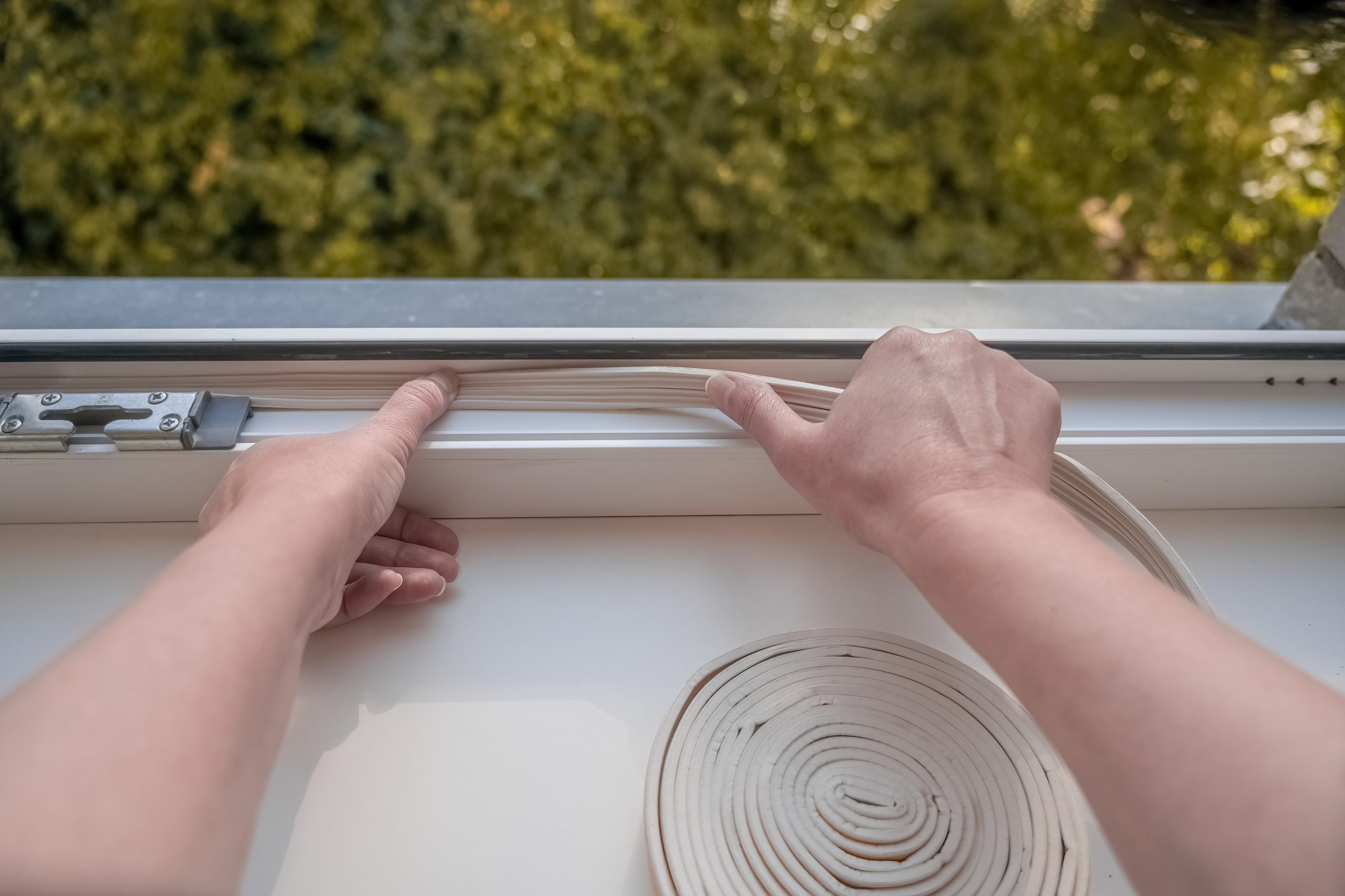
- Sealing the gaps and cracks around your windows and doors is essential to keeping your home warm and using less energy this winter.
- Any gaps wider than the width of a nickel between your siding and window or door frames should have caulking applied to them.
- Weather stripping your windows and doors is another great way to keep the cold out. Check to see if your doors and windows can benefit from weather stripping.
- Door sweeps and adhesive backed insulation foam are also very effective to help against cold air getting into your home. Consider reapplying exterior caulking to seal the gaps.
Winter maintenance indoors
Indoor winter maintenance is important for ensuring a safe and comfortable environment, preventing issues like frozen pipes and mould growth, and improving overall energy efficiency.

- Regular maintenance of your HVAC unit can improve performance, increase the life of your unit and help with heating and cooling efficiency. Consider having a professional come do regular maintenance on your unit to ensure maximum efficiency.
- Clean or replace your furnace filter.
- Clean your humidifier and check for condensation as well as proper humidity levels.
- Check your water heater for leaks and consider getting a professional to inspect it.
- Check all the toilets in your home for leaks. Drop food colouring into your tank and then check your bowl a short while later. If there is coloured water, you have a leak and need maintenance.
- Leaky faucets can often be repaired by simply replacing washers or rubber seals.
How the City is getting ready for winter
The City is gearing up for the upcoming winter season by taking proactive measures to ensure that parks, trails and public spaces are well maintained and safe for residents and visitors.
When visiting a park or green space, you may see crews doing the following:
- Mulching and collecting leaves.
- Moving waste bins to park entrances from their summer locations.
- Preparing garden beds for the winter.
- Restoring sports fields so that they are ready for next summer.
- Cleaning litter and debris.
- Continuing to inspect playgrounds to make sure they remain safe year-round.
- Making sure irrigation systems and plumbing are ready for the winter, like water fountains and seasonal park washrooms.
- Sports Field Renovation Program is underway, with resodding and turf restoration happening at sports fields across the city.
- Closing certain facilities for the winter. Select City natural turf soccer fields, baseball diamonds, cricket pitches that don’t have fall permits and spray pads are now closed. Natural turf football fields will close for use on November 1, 2025, or upon snowfall. Artificial turf fields remain open until further notice (weather dependent).
To learn more about Mississauga’s parks, visit mississauga.ca/parks.
To learn more about Mississauga’s stormwater system, visit mississauga.ca/stormwater.
Tags
Media contact
City of Mississauga Media Relations
media@mississauga.ca
905-615-3200, ext. 5232
TTY: 905-896-5151
Get email updates