Protect your home from winter weather
Winter weather can take a big toll on your home. By taking simple steps, you can reduce the risk of winter‑related problems.
Emergency and public safety | February 5, 2026
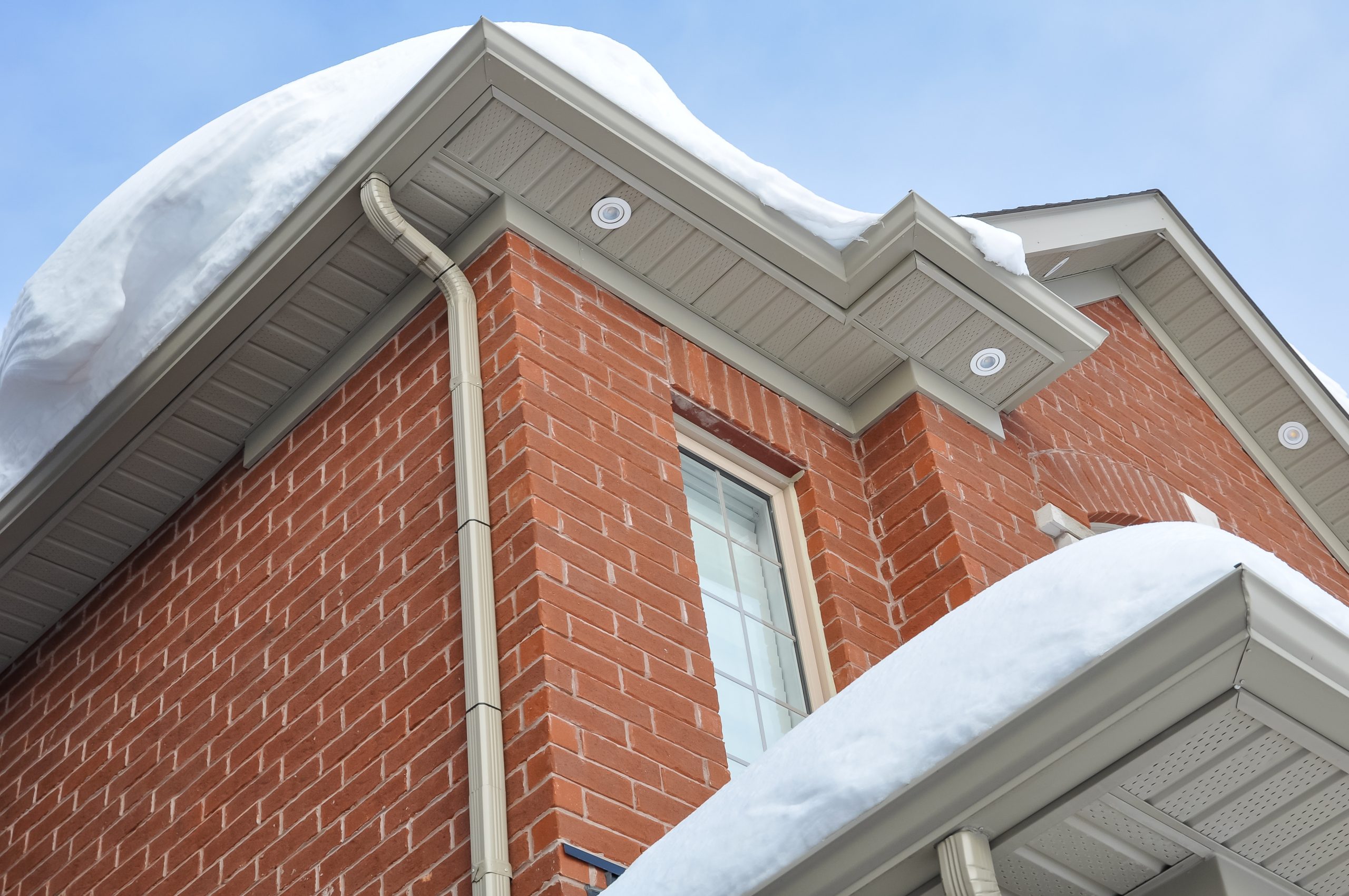
Mississauga often experiences extreme cold, heavy snow, freezing rain and melting snow in winter. Winter weather can create a range of issues for homeowners, from frozen pipes and ice dams to basement flooding and fire risks. These conditions can lead to flooding, burst pipes, and structural damage to your home if left unchecked. Simple preventative measures can help reduce the chance of damage.
Prevent your house pipes from freezing
Below-freezing temperatures and the accumulation of snow and ice can cause water inside pipes to freeze, expand and burst in the interior and exterior of your home, leading to flooding and water damage. When water freezes, it creates pressure within the pipes, which can lead to possible leaks or bursts as the ice begins to thaw. This can cause flooding and costly repairs.
To help prevent this:
- Turn up your thermostat so the temperature inside your home is warm, even when you’re away. This can help prevent pipes from freezing.
- Insulate outdoor and exposed pipes in areas like garages, crawl spaces and basements.
- For outdoor faucets, remove hoses and install foam or insulated covers. Make sure the cover fits tightly.
- Drain outdoor faucets and shut off the indoor valve if you have one.
- Check pipes regularly for leaks, cracks or signs of freezing.
- Ensure that your plumbing system continues to function properly. Inspect pipes throughout the winter to ensure there are no leaks, cracks or breaks.
If a pipe freezes or bursts
Pipes located in above-ground exterior walls or in unheated spaces are the most vulnerable to freezing during extreme cold. Make sure you check for frozen pipes frequently.
Signs of a frozen water pipe include:
- Very little or no water coming out from the tap.
- Strange sounds when you turn on the tap.
- A pipe that feels very cold to the touch.
Run a warm, dry cloth along the pipe to see if it slows, catches, or sticks to the pipe. If so, you’ve found the frozen area. Use warm air from a hair dryer or portable heater to gently apply heat, working toward the frozen section, if accessible. Refrain from using a torch, propane heater, or charcoal stove, as this is a major fire hazard. Contact a licenced plumber if you cannot locate or safely thaw the pipe.
If a water pipe bursts:
- Call a licenced plumber right away.
- Turn off the main water valve immediately.
- Shut off electricity (the main circuit breaker) in affected areas if it is safe to do so.
- Avoid touching any wet electrical items like appliances or outlets.
- Open faucets to drain the plumbing system.
- Call a licenced electrician if water has penetrated your electrical system, such as your electrical panel, fuse box, light fixtures, or power outlets.
- Contact your insurance company.
- Use towels, buckets, fans or a dehumidifier to remove water and dry the area.
A burst pipe can release hundreds of litres of water in minutes, so quick action is necessary to prevent flooding and water damage to your home.
Keep snow and ice away from your house foundation
Reduce the risk of basement flooding and help prevent costly water damage by removing snow piled directly against your home. It can melt quickly during warmer weather, and water can seep into windowsills, wells, door frames, and small cracks in your home’s foundation.
Help prevent flooding in your home:
- Shovel snow three to five feet away from exterior walls, windows and basement entrances.
- Clear pathways for melting snow to drain away from your house.
- Break up high snowbanks that can trap water against your home.
Maintain gutters, downspouts, chimneys and roof drainage
Snow and ice can cause problems for gutters, downspouts, chimneys and roofs. Ice dams form when water backs up under shingles and leaks into your home through the attic or walls.
Remember to:
- Remove debris from gutters and ensure downspouts extend four to six feet away from the home.
- Hire a roofing professional or contractor to safely remove excess snow from roofs. Avoid poking or breaking ice dams yourself, as you might cause further damage.
- Watch for signs of ice damming, such as icicles forming along your roof or water stains appearing on ceilings.
If you notice an ice jam on your roof, remember to move quickly. Your attic might already have water damage which can lead to mould and long-term structural damage.
Protect exterior structures
Heavy snow and ice can create high snowbanks that can block and add extra weight onto important exterior structures like decks, pipes and vents. When exterior home vents are blocked by snow and ice, it can cause carbon monoxide buildup inside your home. Carbon monoxide inhalation can pose serious health risks and can be fatal. When decks are packed with heavy snow, they can get damaged and break under the weight.
Protect your exterior structures:
- Remove snow from decks whenever possible to prevent excess weight and potential damage.
- Ensure that vents, chimneys, and exhaust pipes are free from snow and ice to maintain proper airflow.
- Make sure gas metres and furnace vents are not blocked.
- Regularly check the structural integrity of eavestroughs and gutters to prevent ice dam formation, which can lead to water damage.
- Install snow guards on roofs to help manage snow and prevent it from sliding off unexpectedly.
- Clear snow off flat roofs if needed to reduce weight.
Check and clear storm drains
Blocked storm drains can cause water to pool on streets and properties, especially when snow and ice start to melt. Keeping drains open helps reduce localized flooding during sudden thaws or heavy rain.
Help prevent flooding:
- Clear leaves, snow, ice and other debris from drains on your street when it is safe to do so. Gently use a shovel or a broom to remove debris without causing damage to the drain itself.
- Encourage neighbours to check the storm drains in front of their properties to help maintain proper drainage.
- Report blocked or frozen drains to the City so they can be safely cleared by calling 311.
- After a heavy rain or when snow begins to melt, check nearby storm drains to ensure they are clear and functioning properly.
Stay alert and plan ahead
Winter weather can change quickly. Monitoring forecasts, preparing emergency supplies, and performing regular home maintenance are the best ways to stay ahead of potential hazards and reduce the risk of winter damage.
Tags
Media contact
City of Mississauga Media Relations
media@mississauga.ca
905-615-3200, ext. 5232
TTY: 905-896-5151
Get email updates