Bunny the coyote is a warning about feeding wildlife
Feeding wildlife, especially coyotes, can lead to serious problems for both people and animals.
City services | March 5, 2026
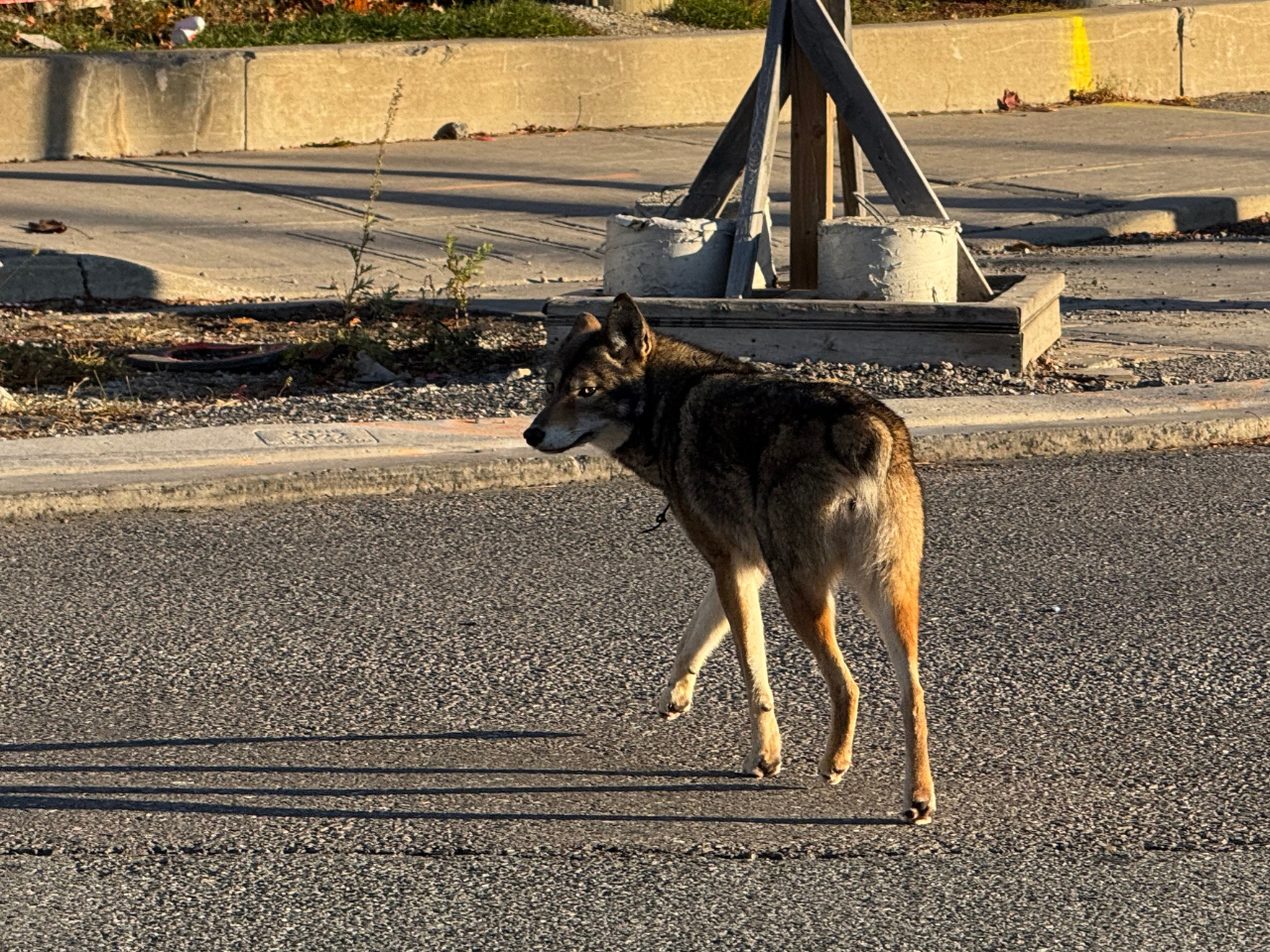
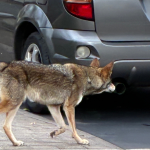
You might have seen photos or videos online about a coyote named Bunny, also known as Knubz. Bunny is recognizable by her missing tail and has been appearing in plazas and neighbourhoods around Mississauga and Toronto. Her unusual comfort around people has caught a lot of attention; but, her story is more than a curious animal getting online fame. Her behaviour is a sign that she is being fed regularly.
What’s going on with Bunny?
Bunny is what experts call a food‑conditioned coyote. This means she has learned to connect people, cars and certain places with easy meals and constant access to food.
Instead of hunting rodents, rabbits or squirrels like a wild coyote normally would, she now approaches humans expecting to be rewarded with food.
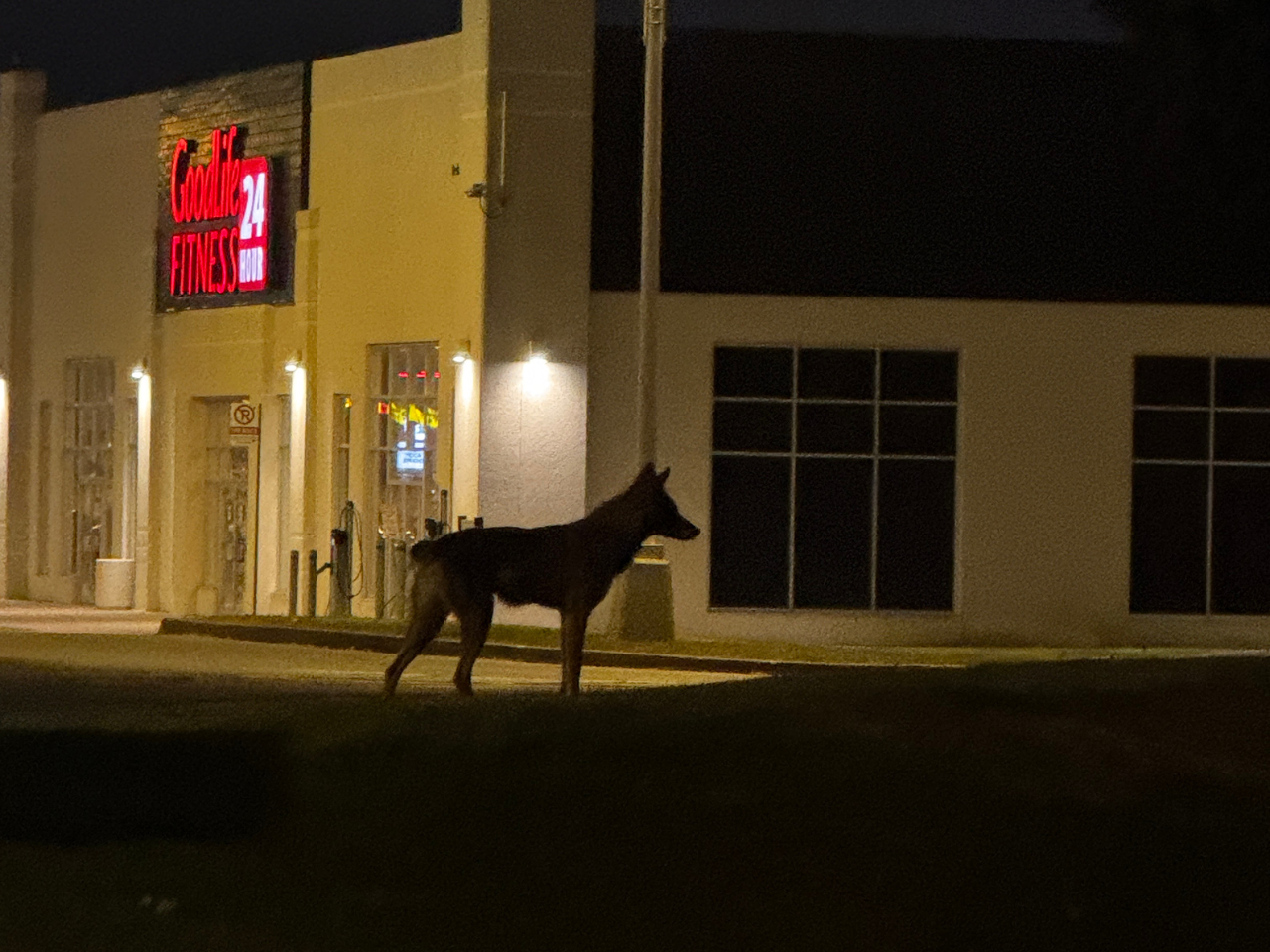
Residents have seen Bunny in several locations across Mississauga, including busy plazas. She has been spotted eating discarded food on sidewalks and, in some cases, approaching people, including children.
The City is reminding residents that feeding wildlife, including coyotes, squirrels, pigeons and foxes, is harmful and illegal. Under the Animal Care and Control By-law, feeding wildlife can result in a fine between $365 and $100,000.
Why feeding wildlife is a serious problem
When animals, like coyotes, begin to rely on people for food, several things happen and none of them are good.
They lose their natural fear of humans
Coyotes usually avoid people, but food-conditioning teaches them the opposite. They become bold, get closer than they should, and linger near homes and busy public spaces.
They start showing up where food is available
Restaurants, plazas, schoolyards and residential streets become regular stopping points.
Their behaviour becomes unpredictable
A coyote expecting food may walk directly toward people. When food doesn’t appear, it may seem agitated or behave in ways that feel threatening, such as showing its teeth.
Feeding wildlife may seem kind, but it often leads to suffering for the animal. Food-conditioned coyotes face higher risks of injury, traffic collisions, conflict with pets and negative encounters with people.
How we got here
Bunny didn’t become food‑conditioned overnight. Her behaviour developed because she regularly found food where she shouldn’t. This includes:
- Dumped food.
- Unsecured garbage.
- Intentional wildlife feeding.
Even small scraps left outdoors can teach a coyote that people equal food. Once these habits form, they are difficult to undo.
What the City is doing
Mississauga Animal Services is actively responding to help keep people and wildlife safe. This includes:
- 24/7 patrols in areas where coyotes are seen most.
- Using aversive conditioning to encourage natural behaviour and discourage coyotes from approaching people.
- Sharing multilingual education citywide about wildlife feeding.
- Providing outreach to schools, community groups and businesses.
- Co-ordinating with other municipalities like the City of Toronto, as Bunny often moves between both cities.
These efforts focus on discouraging food-conditioning, reducing risks and helping coyotes return to normal behaviour.
What you can do to help
Residents play the most important role in preventing food-conditioned wildlife. If one coyote becomes food-conditioned, others can follow. Coyotes learn from each other, and easy meals attract more wildlife into busy areas.
Do not create the next Bunny. You can help by:
- Never feeding coyotes or any wildlife.
- Securing garbage and compost so animals can’t access it.
- Cleaning up food scraps around yards, parks and outdoor eating areas.
- Keeping pets on a leash and supervised.
- Reporting coyote sightings using the City of Mississauga’s Interactive Coyote and Fox Sightings Map.
- Calling Mississauga Animal Services at 905-896-5858 if you have wildlife feeding concerns or see a coyote that is sick, injured, or not keeping a safe distance.
Stopping wildlife feeding now helps break the cycle and keeps both people and animals safe. Remember, if you are ever approached by a coyote, make sure to appear big by waving your hands, make noise by clapping or speaking firmly, and back away slowly. Explore more coyote safety tips.
Digital assets and downloads
Download the high resolution images
Tags
Media contact
City of Mississauga Media Relations
media@mississauga.ca
905-615-3200, ext. 5232
TTY: 905-896-5151
Get email updates