Thinking of removing a tree? Check before you cut
Before you start, check with the City whether a tree permit is required.
City services | August 18, 2026
Translate this page into: عربي, Polski, ਪੰਜਾਬੀ, 繁體中文 and اردو.
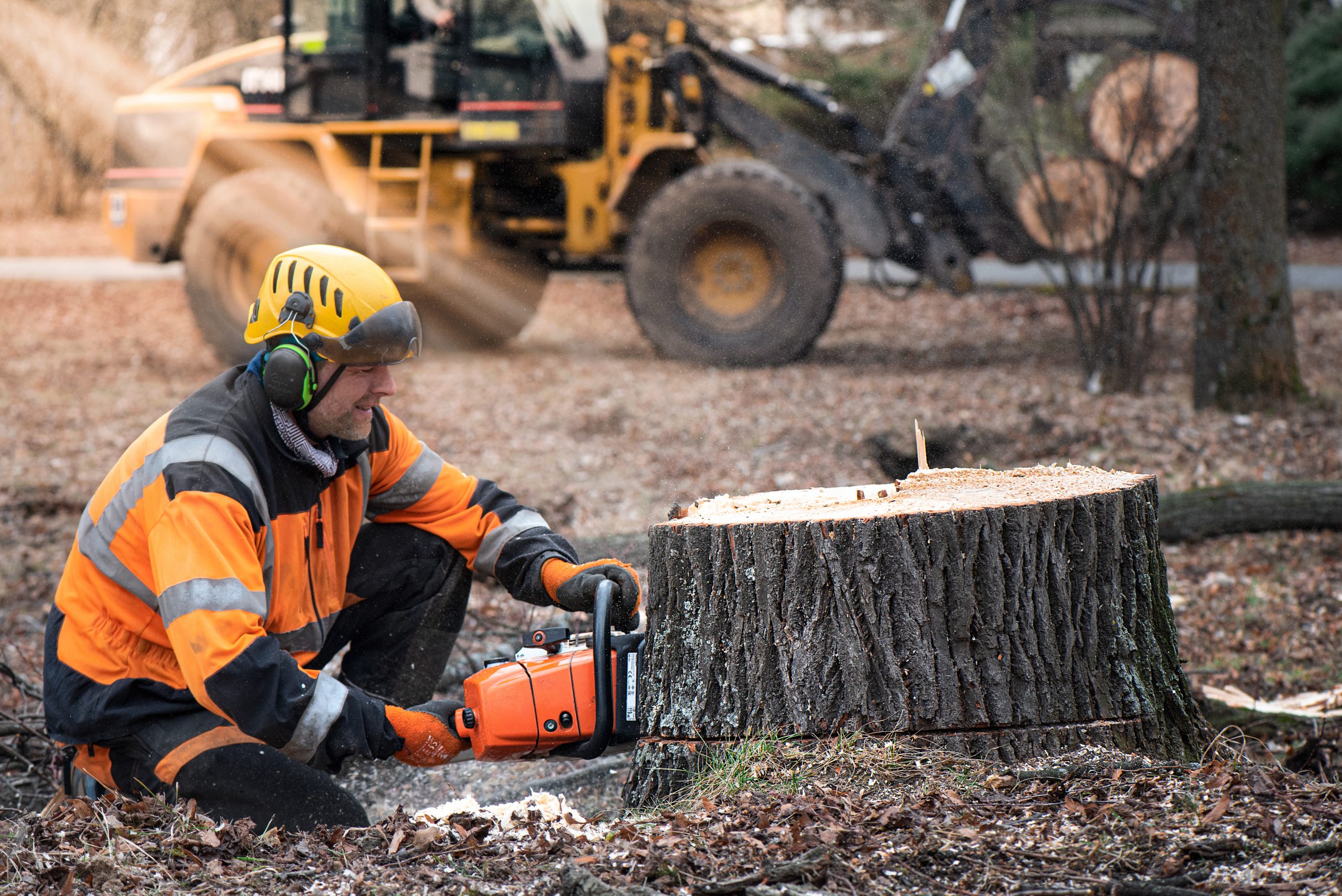
Planning a backyard project? Installing a pool, building a deck or removing a tree that’s in the way?
Before you begin, check whether you need a tree permit.
Trees on both private and public property are protected under the City’s tree protection by-laws. Updated in 2022, the by-laws ensure trees in Mississauga are managed responsibly.
Checking before you cut can help you avoid fines, delays and unexpected costs while protecting the City’s urban forest.
Healthy trees do more than enhance neighbourhoods. They provide shade, improve air quality, absorb rainwater and help reduce the effects of extreme heat. As Mississauga experiences hotter summers and more extreme weather, protecting the urban forest helps keep neighbourhoods cooler, healthier and more resilient.
Five things to know before removing a tree
For private properties, including residential, commercial or industrial sites:
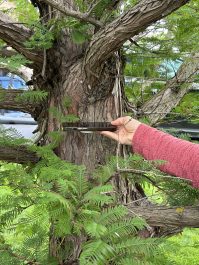
1. A permit is required for all trees 15 cm or larger in diameter
Trees that are 15 cm – about the length of a cellphone held sideways – or greater require a permit before they are removed. This includes any action that could damage the tree.
2. “Tree damage” means more than cutting it down
The by-law outlines the following activities as tree injury or destruction:
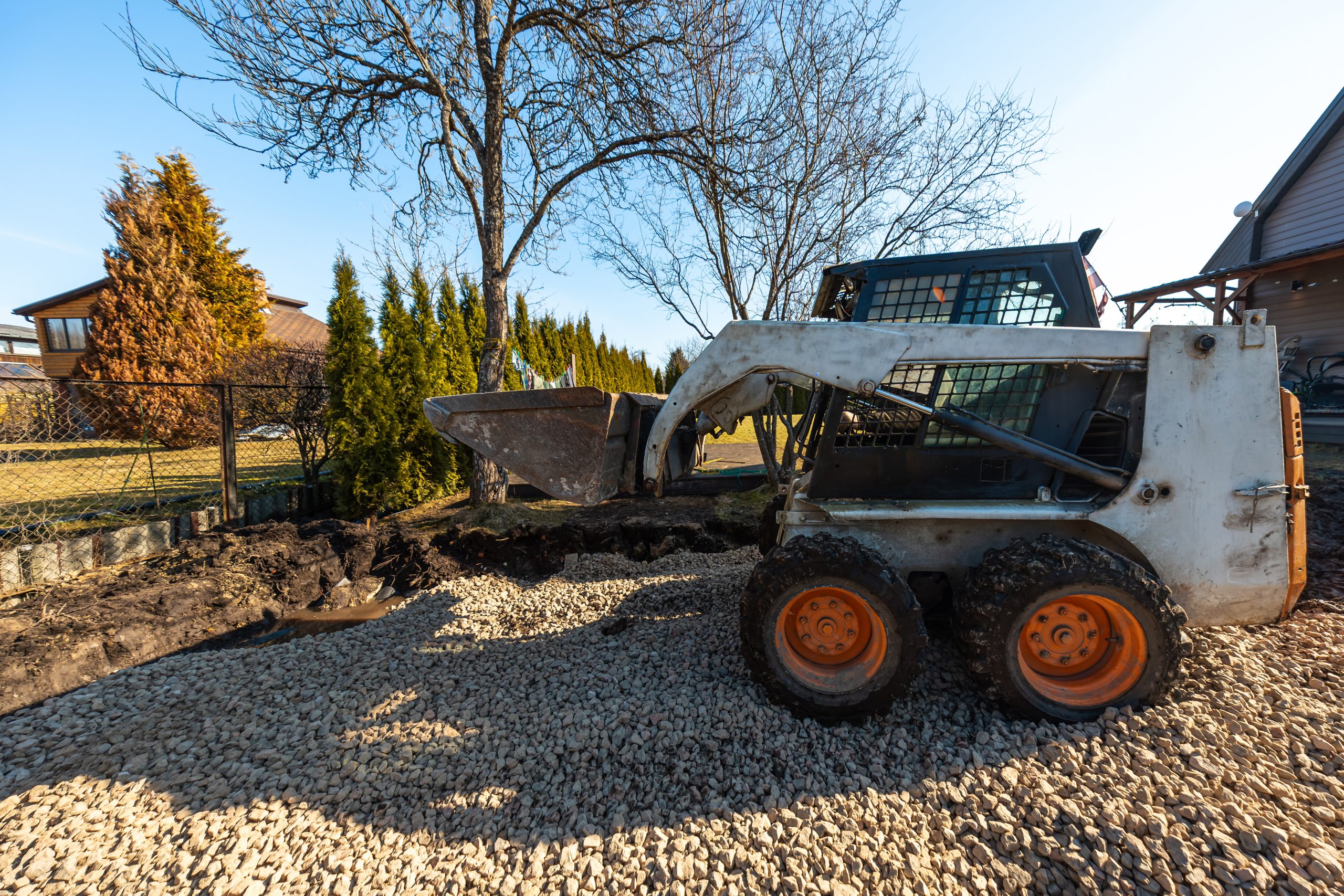
- Digging or grading near roots.
- Packing down soil around the tree with heavy equipment, vehicles or materials.
- Storing materials within the tree protection zone.
- Construction-related damage.
- Interfering with the tree’s water supply.
- Applying harmful chemicals near the tree.
Building a driveway, patio, pool, fence or any addition near a tree are all actions that could require a tree permit, so it’s important to check before work begins.
3. Dead or dying trees also need removal permits
While an arborist report may not be required for a dead or dying tree, a permit is still needed before it can be removed.
4. Boundary trees require your neighbour’s consent
If any part of the tree trunk crosses a property line, it’s considered a boundary tree. To apply for a permit to remove or cut a boundary tree, you must get written consent from the affected neighbouring property owner.
5. Replacement trees are protected too
If you’re required to plant a replacement tree as part of a permit condition, that replacement tree is also protected. You cannot cut or remove it without obtaining another permit. Replacement trees become part of Mississauga’s protected urban forest.
Contractors working near a tree
City-owned trees include those on and near City streets and parks. Under the by-laws, they are always protected.
Digging, changing ground levels or building near a tree may require City approval, even if you’re not removing the tree. Pruning, digging or working near roots of City-owned trees and any private tree 15 cm or greater in diameter require a permit from the City before work can begin.
What happens after you apply?
The City reviews every application and considers:
- Reasons for removal or injury.
- The condition, species and location of the tree.
- Potential conflicts with development proposals.
- Whether property damage can be addressed without removing the tree.
- The impact on the overall tree, from its roots to leaves.
Each request is carefully reviewed to determine if removal is the only option, or if alternatives exist.
A quick checklist
There’s more to a tree than meets the eye. Before removing, ask yourself:
- Is it 15 cm (six inches) or larger?
- Is it dead, dying, or causing damage?
- Is the tree on or near a property line?
- Am I digging, grading or building near it?
Why tree protection matters
Mississauga’s urban forest includes approximately 2.1 million trees across public and private lands. Trees provide shade, cool our streets, improve air quality and support local wildlife.
A tree as wide as your palm may be between 12 and 45 years old. It could be older than your home. Once a mature tree is removed, it can take decades to replace its benefits.
Tree protection also supports the City’s Climate Change Action Plan and Urban Forest Management Plan, which aim to protect, enhance and expand the urban forest for future generations.
If you’re unsure whether you should remove a tree, check with the City first. Visit mississauga.ca/treepermits to get started.
Tags
Media contact
City of Mississauga Media Relations
media@mississauga.ca
905-615-3200, ext. 5232
TTY: 905-896-5151
Get email updates