Driving safely in winter weather
Even with careful planning, winter conditions can still leave you stranded. Being prepared can help keep you and your family safe if your vehicle becomes stuck or conditions suddenly worsen.
Emergency and public safety | January 23, 2026
Winter weather can change quickly, turning a routine drive into a dangerous situation. Heavy snow, black ice, hail, high winds and freezing rain can develop with little warning. The City is reminding residents that winter driving requires extra planning. Allow additional travel time, expect delays and resist the urge to rush.
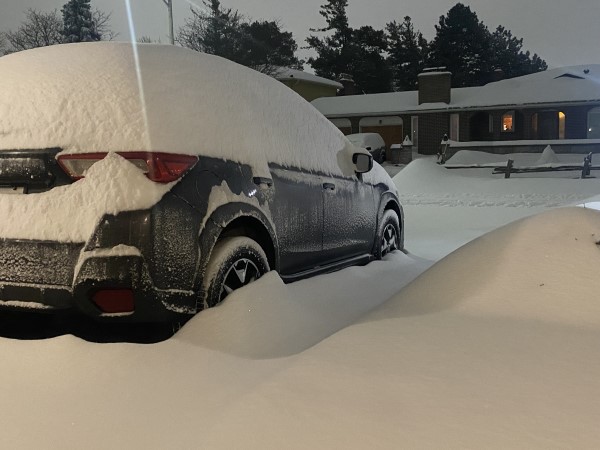
Slower, more cautious driving improves control and gives you more time to react. It’s also important to leave more space between your vehicle and the one ahead, as stopping takes longer on slippery roads.
Below are tips to help you prepare for safe winter travel.
Plan ahead
During a winter storm, the safest choice is to stay off the roads. If you must drive, take extra care.
Before you leave
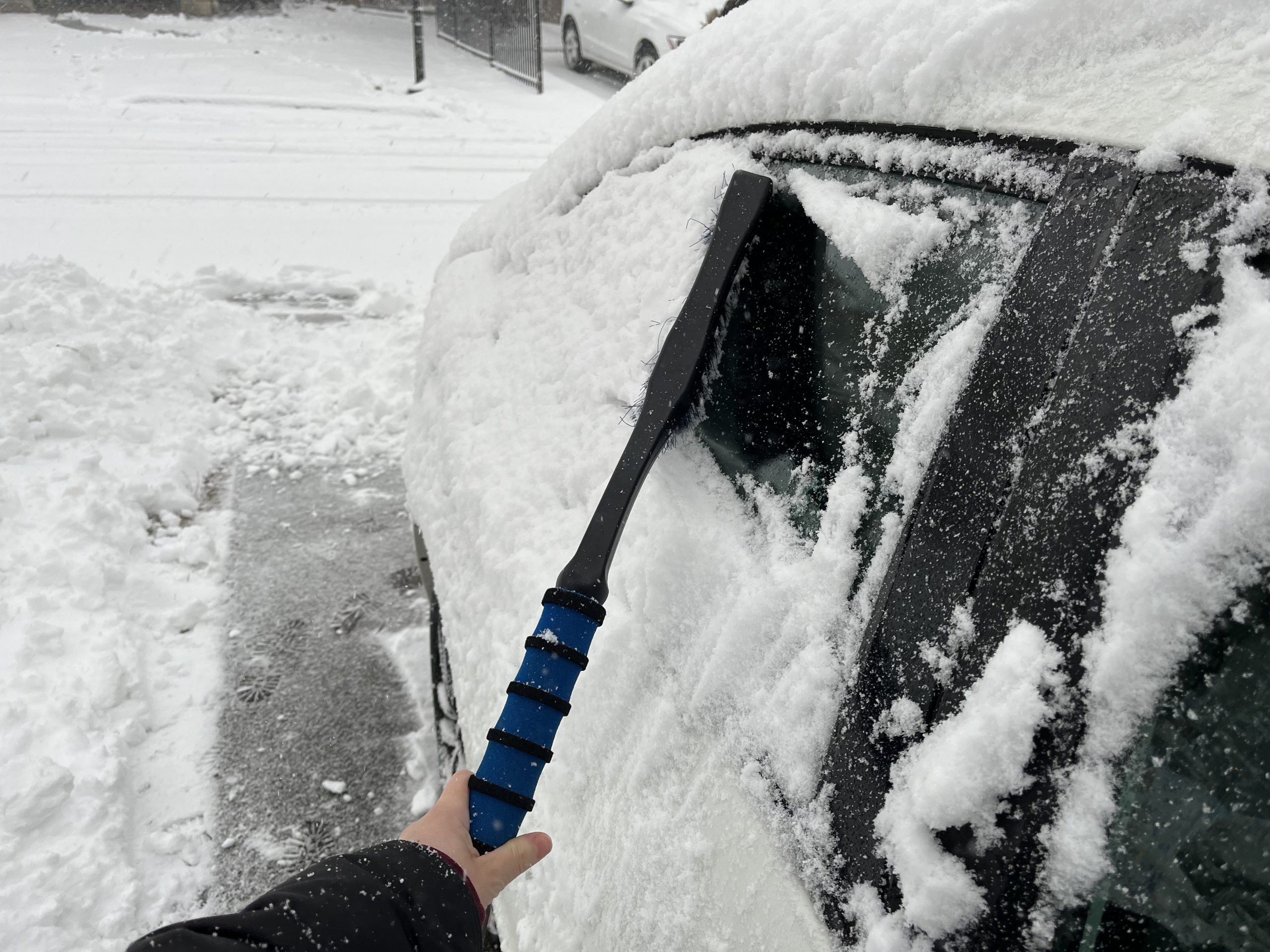
Residents should ensure their vehicle is winter ready by checking tire tread and pressure. Winter tires or good‑quality all‑season tires improve traction in snow and icy conditions. Inspect windshield wipers and top-up washer fluid, as visibility is essential in poor weather.
- Prepare an emergency vehicle kit – Include non‑perishable food, bottled water, a battery-powered radio or flashlight, first-aid kit, blankets, small shovel, warning light or flare, ice scraper and snow brush, antifreeze and windshield washer fluid, jumper cables, and sand, salt or cat litter.
- Check weather conditions and follow all travel advisories.
- Dress for the weather by wearing warm layers in case you need to exit your vehicle or wait for help.
- Plan for delays by leaving earlier, where possible. If you cannot, let your destination know you may arrive late.
- Clear your vehicle by removing snow and ice from all windows, mirrors, roof, hood and lights. Ensure your windshield washer fluid is full.
- Ensure your car’s tailpipe is clear before starting your car. Run the engine for no more than 10 minutes per hour to avoid CO buildup. Accumulated snow can create pressure in a car’s exhaust system, leading to potential engine damage.
- Before starting your car, walk around your vehicle, look under it, and bang on the hood or trunk to scare away any animals that might have taken shelter from the cold.
On the road
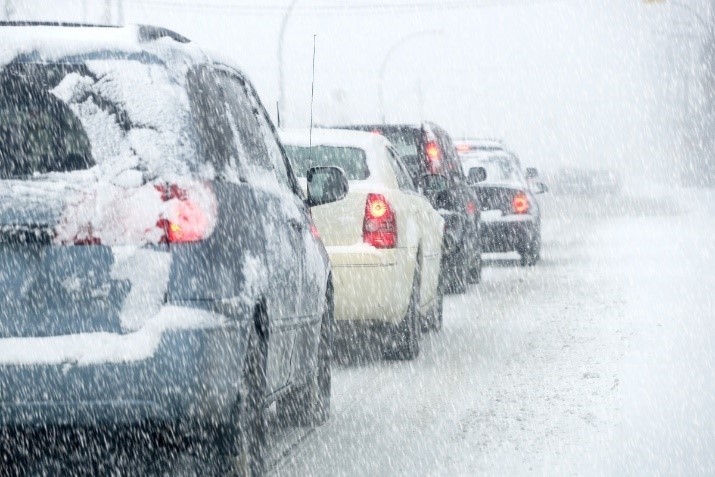
Winter conditions can reduce visibility and make roads slippery. Keep these tips in mind:
- Reduce your speed and drive according to road and weather conditions.
- Leave plenty of space between your car and the one in front of you. It takes longer to stop on snow and ice. If your vehicle begins to skid, steer gently in the direction of the skid until you regain control.
- Turn on your headlights during snow or low‑visibility conditions, even in daylight. It makes it easier for other vehicles on the road to see you.
- Watch for emergency vehicles and snow-clearing equipment. Slow down and move over to give them space.
If you get stuck in the snow
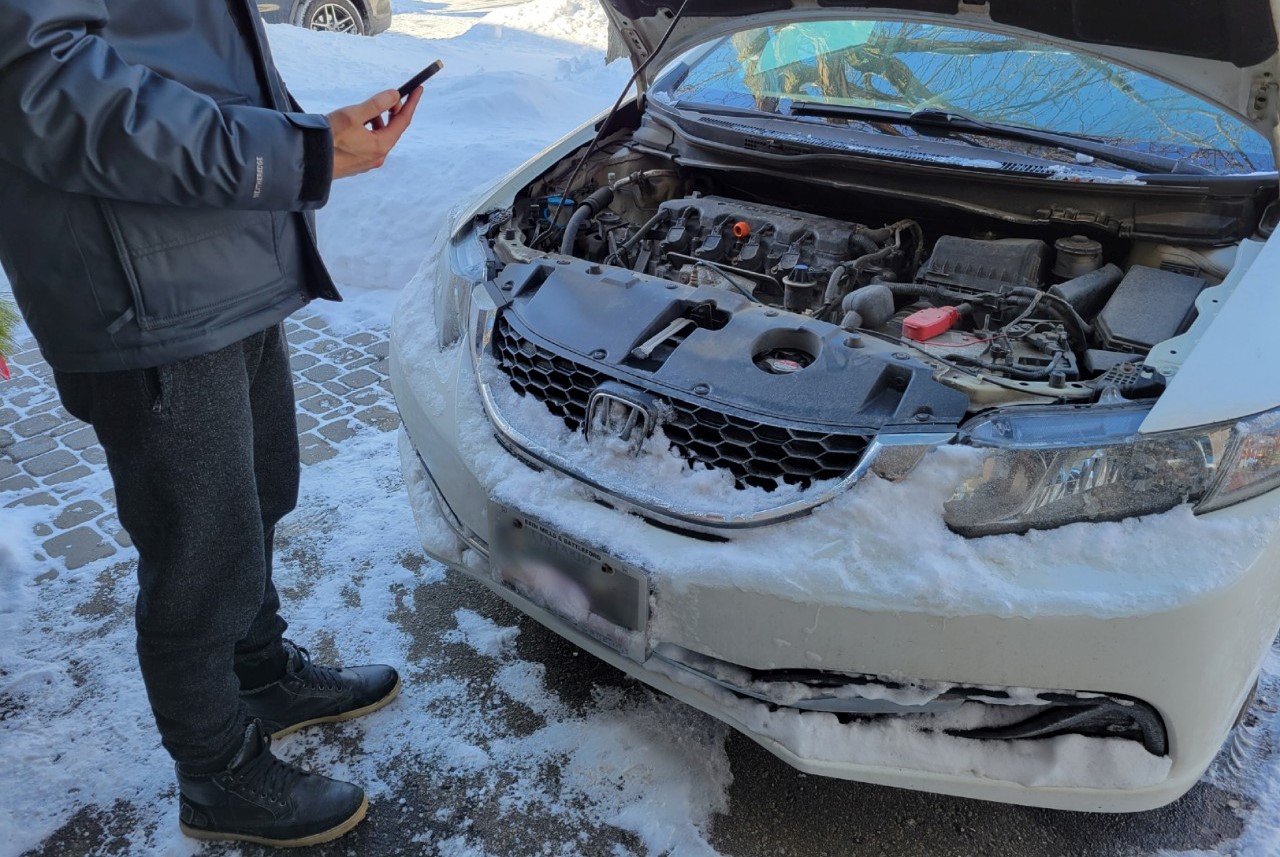
If you find that conditions are worsening or that your vehicle is getting stuck in the snow:
- Call a towing company.
- Stay calm and avoid leaving your vehicle.
- Stay warm, limit exposure, conserve heat.
- Keep your vehicle visible.
- Keep the engine off as much as possible to reduce the risk of carbon monoxide poisoning.
- Turn on your hazard lights to increase visibility.
- Watch for other vehicles and emergency responders.
- Call 911, if it is an emergency.
If conditions are safe
- Clear snow away from your tires and make sure the exhaust pipe is not blocked.
- Use cat litter, sand or floor mats to improve traction under your tires.
- Use salt to melt ice under your tires. If you don’t have salt, windshield washer fluid or antifreeze may help.
If you cannot get your vehicle out, contact a tow truck.
By following these tips, residents can navigate winter roads more safely. With more snow expected in the weeks ahead, taking a few extra precautions can help ensure everyone reaches their destination safely, no matter the weather.
Learn more about being prepared for an emergency.
Tags
Media contact
City of Mississauga Media Relations
media@mississauga.ca
905-615-3200, ext. 5232
TTY: 905-896-5151
Get email updates