Spring maintenance means a fresh start for your home
A few simple steps can help prevent water damage, protect local creeks and rivers and keep your home and neighbourhoods clean and safe.
Emergency and public safety | March 31, 2026
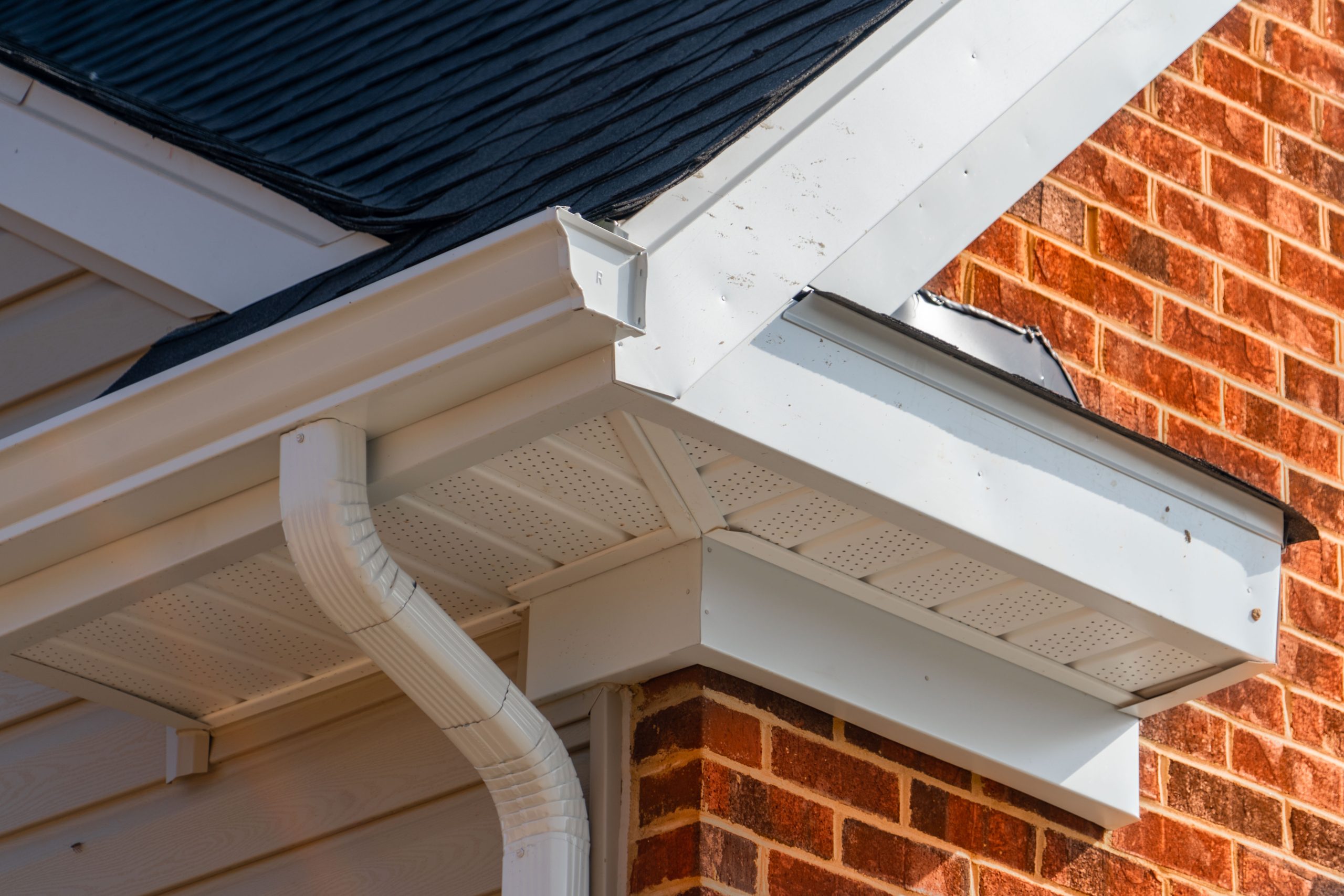
Spring maintenance helps you reduce the risk of flooding and water damage, protect local creeks and rivers and keep your neighbourhood clean and safe. Taking time to inspect your home and property now can help you avoid costly repairs later and prepare for the months ahead.
Outside your home
Clean gutters and downspouts
Spring is when winter damage becomes visible. Over winter, your gutters and downspouts can fill with leaves and debris. When gutters and downspouts are blocked, water can spill over and collect near your foundation. Clear them out and repair small holes if needed. Make sure your downspouts send water at least two metres (six feet) away from your home. If you use rain barrels or outdoor pipes, reconnect them once the risk of frost has passed.
Clear debris from storm drains
Storm drains move rainwater off streets and away from homes. If they are blocked, water can back up during heavy rain. If it is safe, clear leaves and litter from storm drains near your home. If you notice a blocked or damaged storm drain on the road, report it online or call 311 (905-615-4311 outside city limits).
Check for leaks and water damage
Spring is a suitable time for you to look for damage caused by winter weather. Check your attic and basement for leaks, cracks, or signs of mould. Make sure your basement floor drain is clear and working. Inspect your sump pump, washing machine hoses and basement windows for leaks or wear.
Lawn maintenance
Before mowing season starts, make sure your lawn equipment is in good working order. Remember to change the oil, safely dispose of any leftover gas and sharpen blades so your tools work safely and efficiently. When mowing begins, consider mulching grass clippings and leaving them on your lawn. This helps your soil and reduces waste. Peel Region does not collect grass clippings, but you can mulch or compost them at home.
Inside your home
Test smoke alarms and carbon monoxide detectors
Testing your smoke alarms and carbon monoxide detectors is important. Press the test button and gently vacuum them to remove dust. Check the manufacture date to ensure that alarms are replaced after 10 years. Change batteries at least once a year or when you hear a low battery alert.
Open the windows
Try opening all your windows and doors at the same time for five to 15 minutes each day. This helps you replace stale indoor air with fresh air from outside. Indoor air can contain more pollutants, such as carbon dioxide and moisture from cooking and cleaning, than outdoor air. Try opening windows on opposite sides of your home to create a good cross‑breeze, especially in the morning or after cooking or showering.
Check heating, cooling and electrical systems
Replace your furnace or HVAC filters and check that vents are clear. Look at outlets and your electrical panel for signs of damage. If something doesn’t seem right, contact a qualified professional. Some homes use heat pumps, which can heat and cool your home efficiently. Heat pumps use electricity instead of natural gas and can help you reduce energy use while producing less carbon pollution. Replace filters and clean vents every one to two months to ensure clean air is circulating through your home.
Check your appliances
Remove your dryer lint screen and clean it thoroughly by scrubbing with hot water and a nylon brush to remove buildup. Vacuum or use a vent brush to remove lint from the hose and vent duct at least once a year. Check the exterior vent flap for blockages. Inspect dryer hoses and, if applicable, gas lines for leaks or damage. Cleaning your fridge coils annually can help you reduce your electricity bill, as dirty coils require more time and energy to keep food cold.
A small effort makes a big difference
Spring maintenance doesn’t have to be overwhelming. By taking a few simple steps now, you can help protect your home, reduce the risk of flooding and keep Mississauga’s waterways clean for everyone.
Tags
Media contact
City of Mississauga Media Relations
media@mississauga.ca
905-615-3200, ext. 5232
TTY: 905-896-5151
Get email updates