Bee there: Join Pollinator Week activities in Mississauga
Flutter by and help pollinators thrive by joining educational activities and guided walks to learn how to support these important species.
Environment | June 16, 2026
Buzz into action – Pollinator Week is back! From June 22-28, 2026, the City of Mississauga is celebrating pollinators through a series of activities. Residents can learn about how to protect pollinators and their habitats.
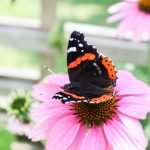
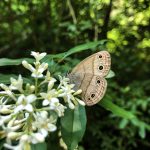
Pollinators include ants, bees, butterflies and moths. These tiny helpers come in many shapes and sizes. They keep Mississauga’s natural areas healthy by pollinating plants. This helps grow food and create homes for other animals, insects and local wildlife.
Pollinator Week events
Celebrate pollinators by attending these educational and outdoor activities:
- Monday, June 22 from 5 to 7 p.m.: Come to the Wildflower Giveaway at the City’s facility located at 3240 Mavis Rd. Be sure to register online.
- Tuesday, June 23 from noon to 1 p.m.: Tune in to a webinar about the importance of pollinators. Speaker: Melissa Creasey, Credit Valley Conservation. Register online.
- Thursday, June 25 from 6 to 7 p.m. and Friday, June 26 from 3 to 4 p.m.: Join a guided walk at Jack Darling Memorial Park. Tour with City staff to see the largest remnant tallgrass prairie in Mississauga and see what the City is doing to restore, protect and expand rare habitats for pollinators. Learn about pollinators and how planting native species can help them. The event goes on, rain or shine. Please dress for the weather. Register online: June 25 or June 26.
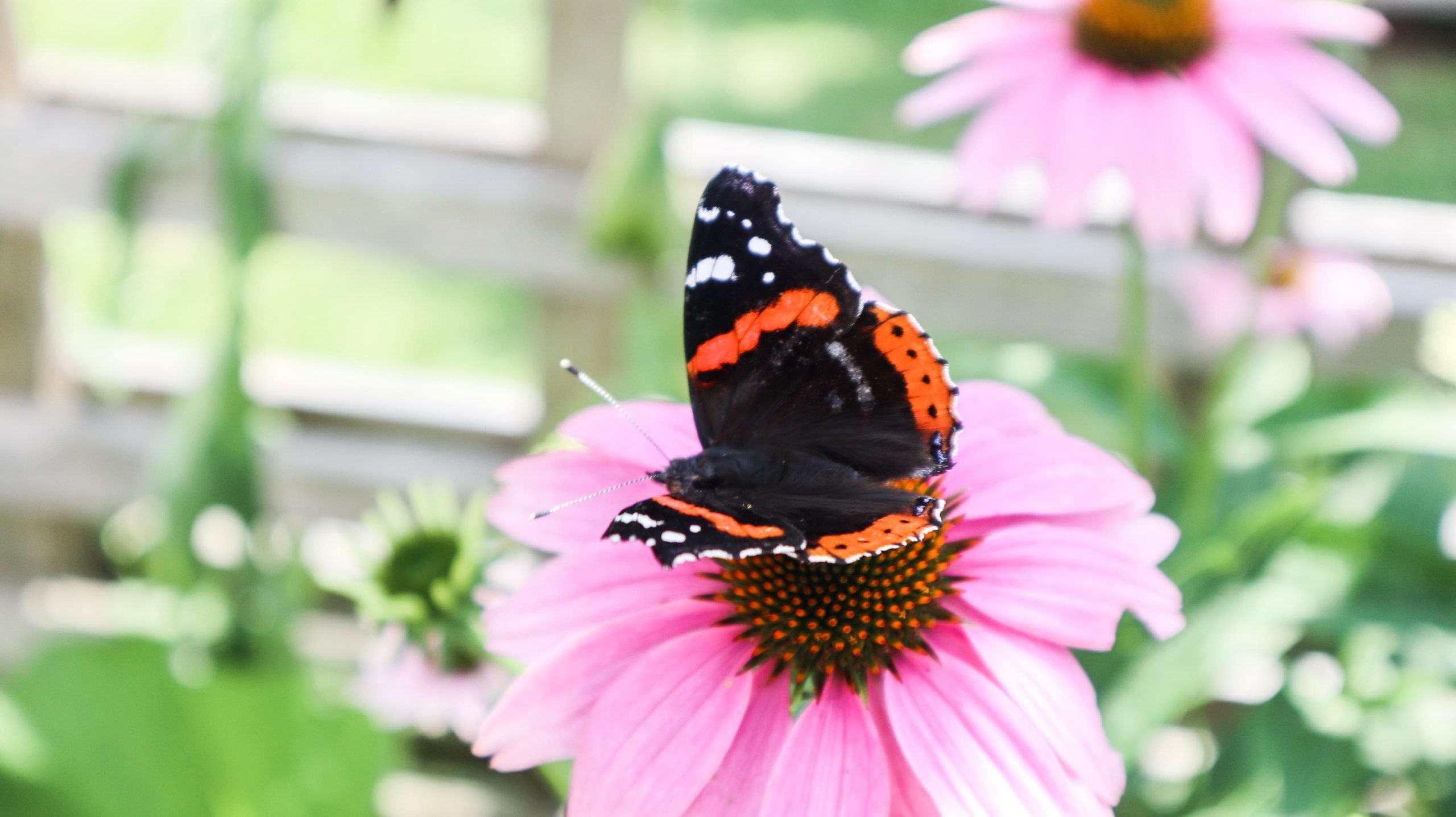
Why pollinators matter
About 75 per cent of flowering plants, including crops, need pollinators to grow.
Many everyday foods, like blueberries, chocolate, coffee and peaches, depend on pollinators. The small but mighty creatures carry pollen from plant to plant. This process, called pollination, helps many plants to produce fruits and seeds essential for their reproduction. Without pollinators, Mississauga’s gardens and natural areas would be bare, and plants would not be able to reproduce to sustain our diets and ecosystems.
Mississauga is designated as a Bee City and has a commitment to improve pollinator habitats and engage residents to help pollinators thrive. The City maintains and protects two tallgrass prairies, one at Jack Darling Memorial Park and another at Lorne Park Prairie. These spaces provide critical habitat and safe havens for pollinators like bees, butterflies, moths and hummingbirds.
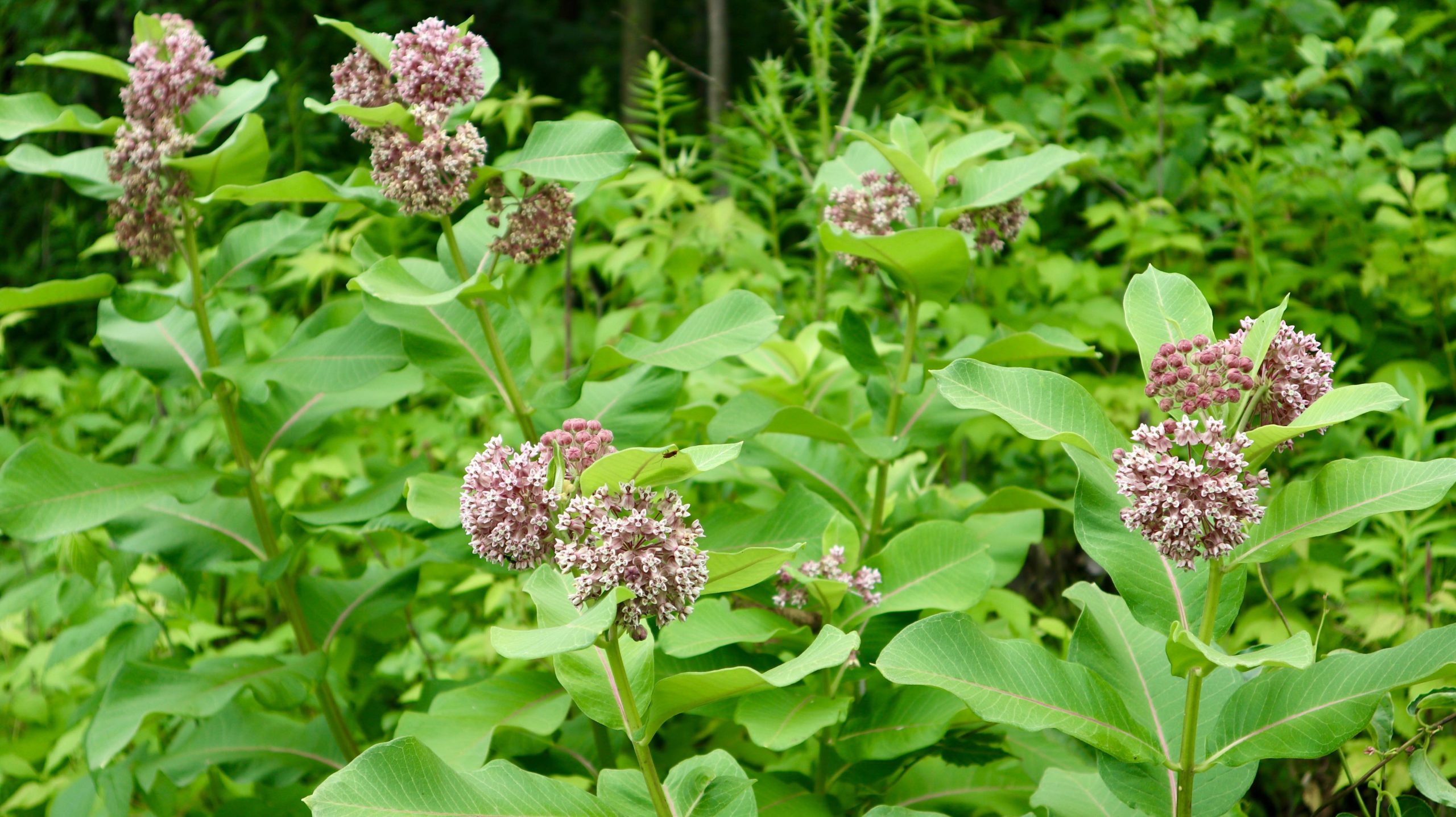
Bee a helper: Simple ways to support pollinators
Plant a tree
As part of the City’s One Million Trees program, residents can add native trees and shrubs to their residential properties.
Create a pollinator-friendly garden
It doesn’t take a lot to add beauty to homes while supporting pollinators. Adding native flowers and plants to a porch, balcony or yard provides food and shelter for pollinators and gives them natural pathways and habitats to move through the city.
Be recognized as a Mississauga Nature Steward at Home
Residents who naturalize their yard can be recognized by the City for being good stewards to the environment.
Download high-resolution photos.
Tags
Media contact
City of Mississauga Media Relations
media@mississauga.ca
905-615-3200, ext. 5232
TTY: 905-896-5151
Get email updates