Caring for trees on your private property? Here’s what you need to know
In some cases, the Property Standards By-law may also apply when a tree is dead, damaged or poses a safety hazard.
City services | June 9, 2026
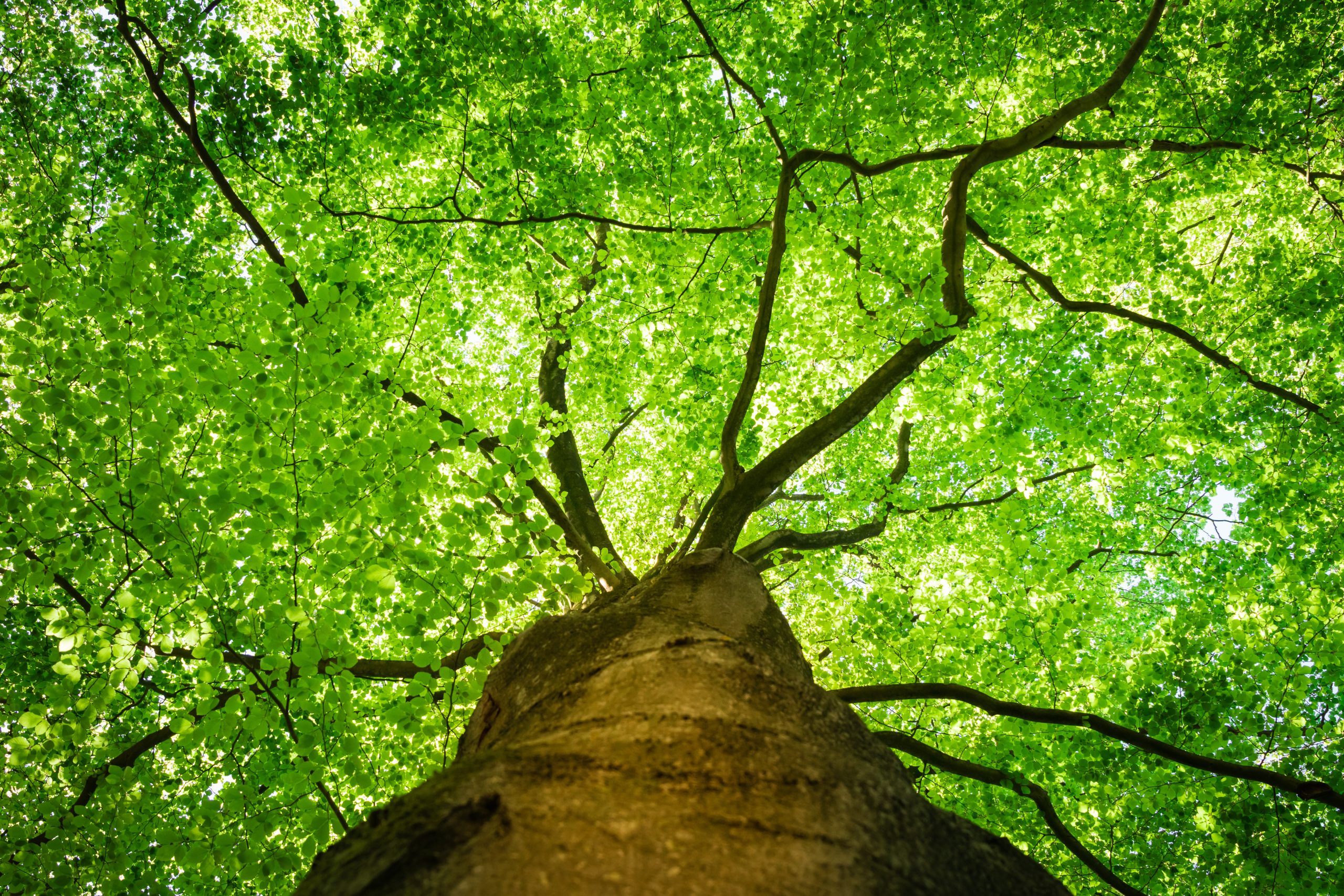
Trees add beauty, shade and value to our neighbourhoods, but they also need regular care. If you own a tree, it is your responsibility to monitor its condition and maintain it so it does not become unsafe. Knowing what is required can help you protect your property, avoid disputes and reduce safety risks. In certain situations, Mississauga’s Property Standards By-law also applies when a tree is dead, damaged or creates a safety hazard.
Caring for the trees on your property
If you have a tree on your property, you are responsible for its care and upkeep. That means checking it regularly, arranging maintenance when needed and watching for signs that it may be unhealthy or unstable. A tree that is sick, dying, damaged or leaning may need attention right away. If you notice changes in its condition, it is your responsibility to have it assessed and take the appropriate next steps.
Regular care and early action can help reduce safety risks, prevent property damage and avoid more costly repairs later.
Unsure about a tree’s health? Here’s what to do
If you’re concerned that a tree on your property is dead, dying or hazardous, the best first step is to have it assessed by a certified arborist or a tree company at your expense. They will advise you on any required maintenance, pruning and/or removal, if necessary. An assessment can identify early issues before they become serious or unsafe and will help you determine the next steps to keep your tree healthy and safe.
When the Property Standards By-law applies
If a tree on someone else’s private property is falling, split, broken, dead or posing a safety hazard, you can report it to the City by calling 311 (905-615-4311 outside City limits). This is where the Property Standards By-law may apply. If the tree is causing an immediate danger to the health or safety of any person, City staff will investigate within 24 hours. If there’s no immediate danger, City staff will investigate within five business days.
Early action can prevent risks and often keeps small problems from becoming larger, more expensive ones.
Issues with trees on private property
You need a tree permit to injure or remove one or more trees on your private property that are 15 cm (6 inches) or greater in diameter, including dead or dying trees. Issues involving overhanging branches, leaves or falling debris, such as fruit or seeds, between properties are considered civil matters between neighbours. The City will not investigate these situations. If your tree overhangs a neighbour’s property, the portion that crosses the property line may be pruned by your neighbour.
Tree‑related concerns between neighbours can be stressful. If you and your neighbour are having difficulty reaching an agreement about overhanging trees, a free mediation service is available from the Dixie Bloor Neighbourhood Centre at 905-629-1873 ext. 311 or crs@dixiebloor.ca.
City by-laws that enforce caring for trees on private property
Private Tree Protection By-law
The Private Tree Protection By-law includes penalties for unauthorized tree injury or removal. Upon conviction, fines can range from $500 to $10,000 per day, with no limit on the total cumulative amount for ongoing offences.
Property Standards By-law
Where a private tree is dead or in a dangerous condition, the Property Standards By-law may require the property owner to address the hazard. If the issue is not addressed, contraventions may result in fines of up to $50,000, upon conviction. In some cases, the City may carry out remedial work to address the hazard, with the cost added to the owner’s property tax bill.
Learn more:
Tags
Media contact
City of Mississauga Media Relations
media@mississauga.ca
905-615-3200, ext. 5232
TTY: 905-896-5151
Get email updates