Nature’s marathon returns: Watch salmon swim upstream in Mississauga
Each fall, salmon travel upstream through the Credit River to spawn. Here's where to spot them and how to respect the run.
Environment | September 28, 2026
Every fall, one of nature’s most impressive journeys takes place right here in Mississauga.
As the weather cools, thousands of salmon leave Lake Ontario and swim upstream through the Credit River. Guided by instinct, they return to the waters where they were hatched to lay their eggs.
The annual salmon migration, often called the salmon run, is one of Mississauga’s most remarkable wildlife events. The salmon run typically begins in September, peaks in early October and continues through the fall, depending on weather and water conditions.
Each year, residents head to local parks and trails to watch salmon battle strong currents on their journey home. Whether you’re hoping to snap a photo, enjoy a fall walk or simply witness one of nature’s greatest journeys, the Credit River offers a front-row seat to the salmon run. Just remember to watch respectfully and let the fish finish the race they’ve spent years preparing for.
The journey home
For salmon, fall is more than colourful leaves and cooler weather. It’s time to head home. To give their eggs the best chance at survival, they travel upstream in search of still waters where they can dig their gravel nest, called a redd, to lay their eggs.
Salmon begin their migration from Lake Ontario into the Credit River watershed in the fall. Their goal is to reach the places where they were born so they can spawn. The journey is long and challenging, requiring the fish to swim against strong currents and navigate obstacles along the way.
The Credit River is home to three species of salmon:
- Chinook salmon: They can grow to about 100 centimetres in length and are the largest salmon you’ll find in the Credit River. Look for their dark mouth and black gums. Once they reach maturity, they make one final journey upstream to spawn before completing their life cycle.
- Atlantic salmon: The only salmon species native to Lake Ontario. They can be identified by the large black spots on their back and gill covers, along with a tail that has few or no spots. Unlike Chinook salmon, Atlantic salmon can survive spawning and return to the lake.
- Coho salmon: Smaller than Chinook but still impressive to spot. Coho salmon have a white mouth line, a black tongue and sharp teeth. They were introduced to the Great Lakes in the 1960s and can grow to about 75 centimetres in length.
While each species follows a slightly different life cycle, they all share one thing in common: an incredible determination to complete one of nature’s toughest endurance challenges.
Where to see the salmon run
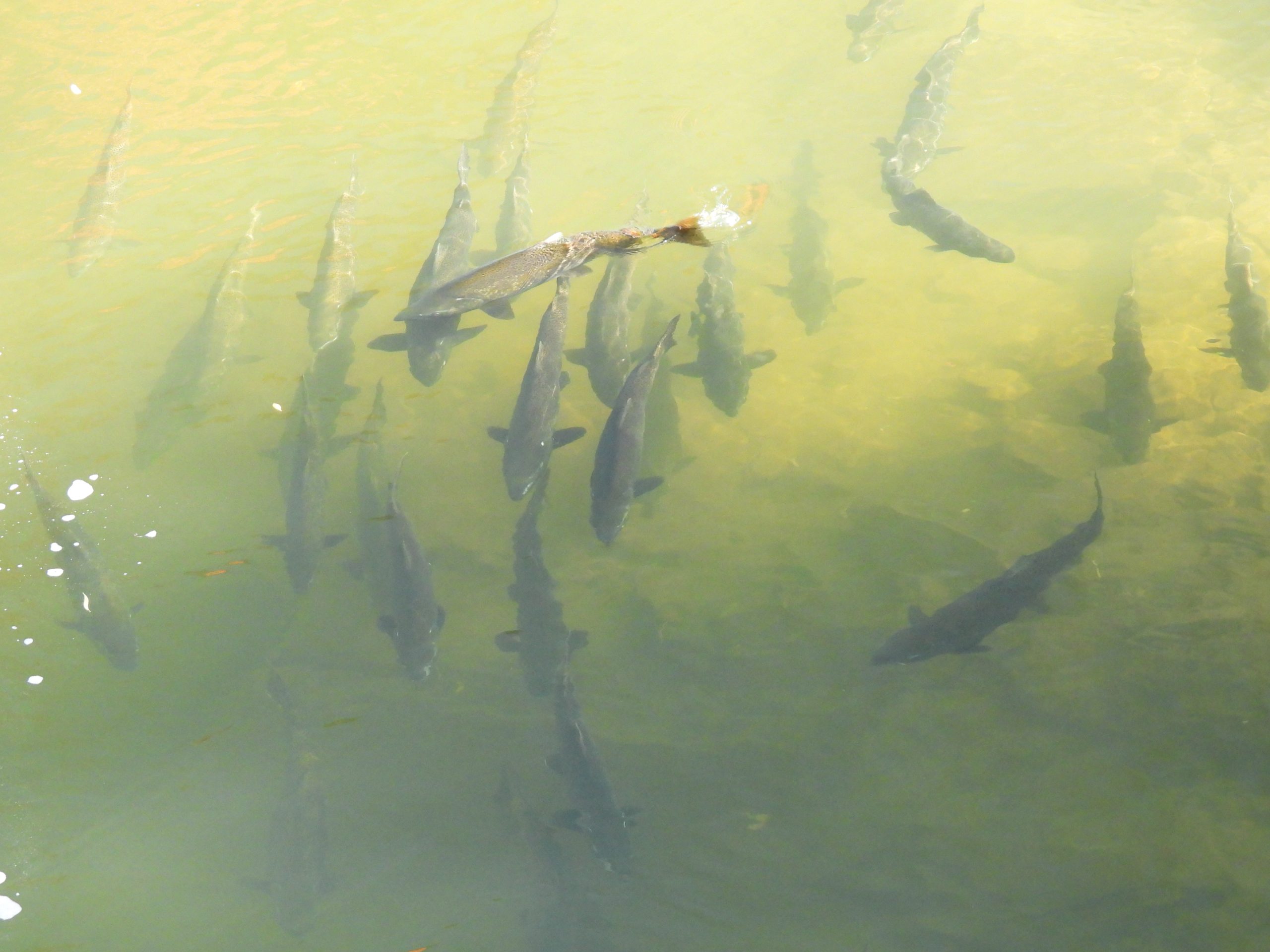
Want to witness the migration for yourself? There are several great locations throughout Mississauga where you can catch a glimpse of salmon making their way upstream.
- Erindale Park: The City’s largest park offers extensive trails through ravines and natural areas, providing many opportunities to observe salmon moving through the Credit River.
- Riverwood Park: This 150-acre urban oasis features accessible trails, scenic views and excellent vantage points along the river. The Credit River forms the park’s western boundary, making it a popular destination for salmon watchers.
- Meadowvale Conservation Area: Located in the north end of the city, Meadowvale Conservation Area offers excellent viewing opportunities from a pedestrian bridge overlooking the Credit River.
While watching the migration can be exciting, remember that the salmon are working hard to complete their journey. Watch from trails, bridges and riverbanks to enjoy without disturbing the fish.
Looking for another way to experience the salmon run? Join the City’s Salmon Run Community Ride on October 3, 2026. This free community bike ride follows the Credit River and gives participants the chance to enjoy the fall scenery while watching salmon make their annual migration upstream. Riders can choose between eight kilometre and 16 kilometre routes, with the ride departing from Salmon Run Community Ride 2026’s start location at River Grove Community Centre at 10 a.m.
Respect the run
The salmon run is one of Mississauga’s most impressive natural events, but it’s also one of the most difficult times in a salmon’s life.
Many fish won’t survive the journey upstream. Those that do still need enough energy to reach their spawning grounds and lay their eggs. That’s why residents are encouraged to observe the migration responsibly and give the fish plenty of space.
If you’re planning to visit the Credit River during the salmon run, keep these tips in mind:
- Watch from a safe distance.
- Stay out of the river and avoid disturbing spawning areas.
- Never chase, touch or harass fish.
- Avoid throwing rocks, sticks or other objects into the water.
- Keep parks, trails and waterways free of litter.
- Be respectful of fellow visitors and enjoy the experience quietly.
Fishing during salmon migration
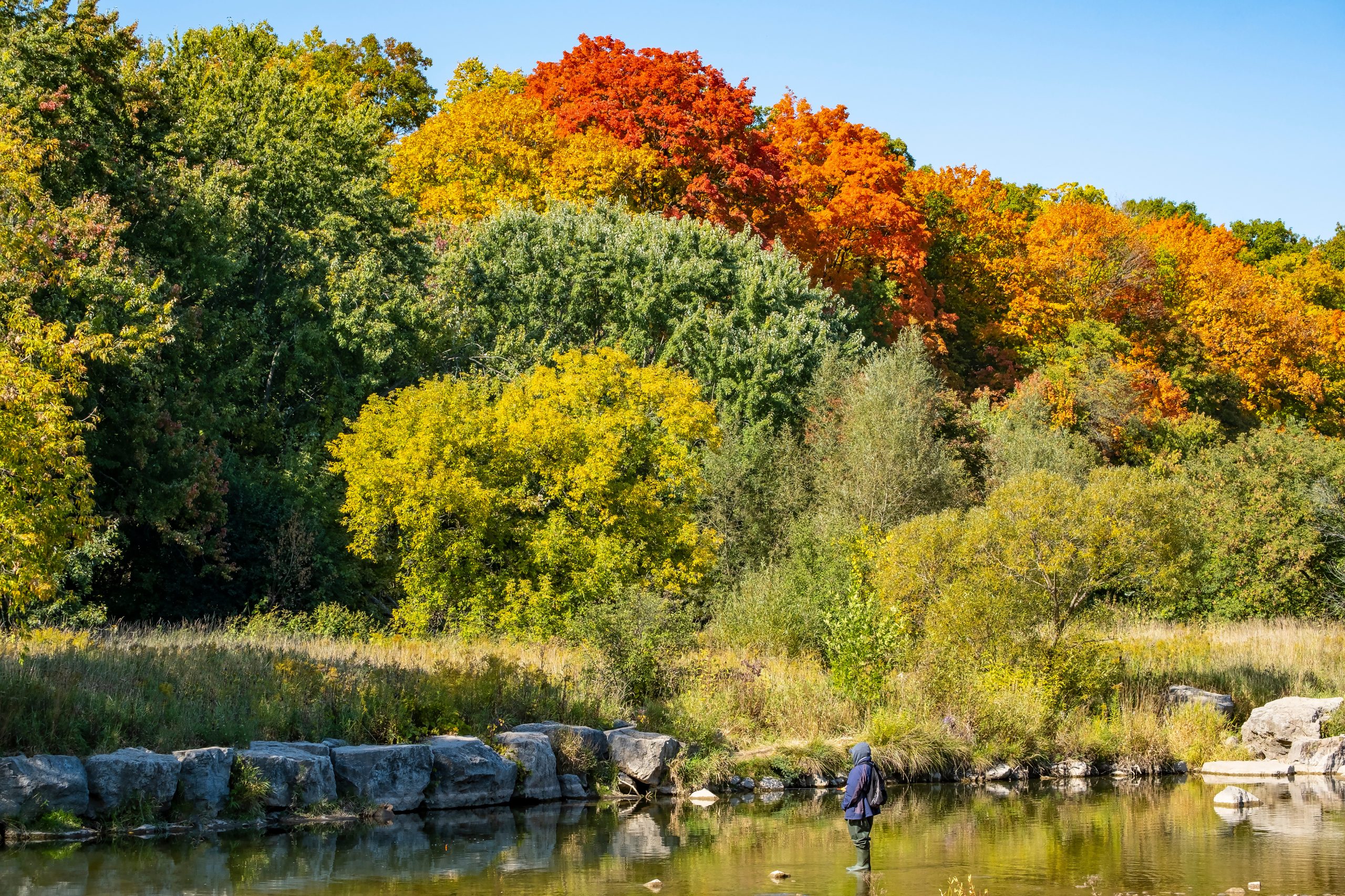
Anglers also play an important role in protecting the migration.
Anyone fishing in Mississauga waters must follow Ontario fishing regulations, including seasonal closures, permitted fishing locations and approved fishing methods. Illegal activities such as snagging can harm salmon populations and may result in fines or charges. Residents planning to fish should review current provincial regulations before heading out.
Be aware that certain areas of the Credit River are considered Fish Sanctuaries between August 15 and the Friday before the fourth Saturday in April. It’s important to respect these rules as to not interfere with the salmon migration.
By following the rules and respecting the migration, anglers and spectators alike can help ensure future generations of Mississauga residents have the opportunity to experience the salmon run.
More than a fish story
The salmon run isn’t just a fascinating wildlife event. It’s also a reminder of the important role healthy rivers and watersheds play in supporting local ecosystems.
The migration also shows why protecting rivers, streams and natural habitats is important. Healthy waterways support salmon, as well as birds, turtles, mammals, insects and many other species that depend on these environments to survive.
Even after the migration ends, salmon continue to play an important role in the ecosystem. As some species complete their life cycle, nutrients are returned to the river and surrounding habitat. In spring, a new generation of salmon will begin its journey downstream toward Lake Ontario, eventually returning years later to repeat the cycle.
Whether you’re exploring a park, taking a weekend walk or looking for a unique family outing, catching a glimpse of the salmon run is a great way to experience the Credit River this season.
Tags
Media contact
City of Mississauga Media Relations
media@mississauga.ca
905-615-3200, ext. 5232
TTY: 905-896-5151
Get email updates