Shovel snow safely: tips to protect your health and avoid injury
Winter weather can be unpredictable, but your safety shouldn’t be.
City services | January 22, 2026
Snow shovelling has become a common chore for many homeowners living in Canada. Stay proactive this winter by clearing your driveway to prevent snow build-up and icy conditions. Winter weather can be unpredictable, but your safety shouldn’t be.
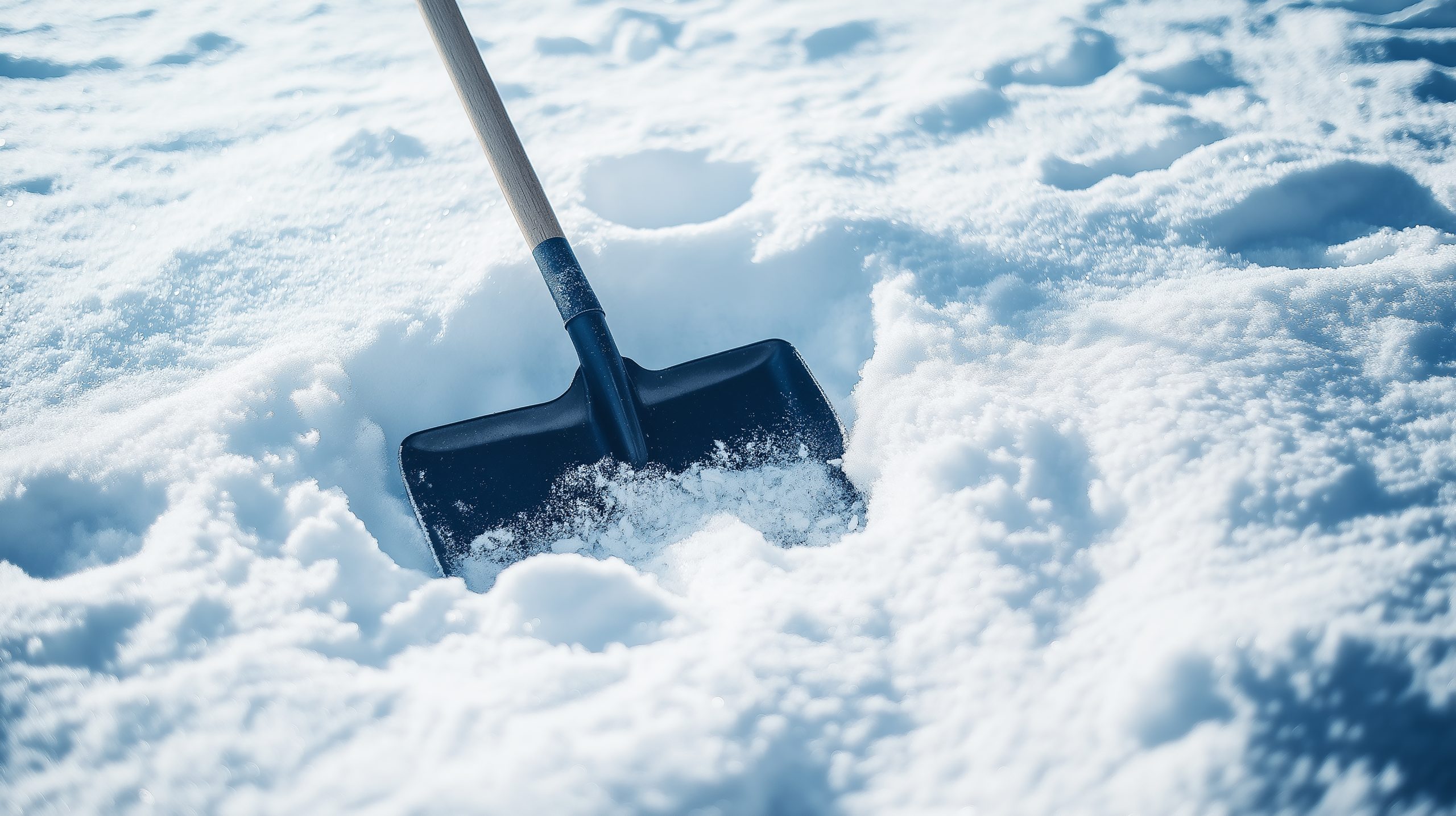
Shovelling and clearing your property
When snow covers your property, clearing pathways and driveways is important as it can prevent slips and falls and it ensures easy access for family, friends, and emergency services.
Watch for ice
Be cautious of slippery spots while shovelling. Use salt or sand to treat icy areas, especially on driveways and walkways, to help prevent slips and falls. By following these safety tips, you can make snow shovelling a more manageable and less hazardous task, allowing you to enjoy the beauty of winter without putting your health at risk.
Shovel early and often
Shovel early and often to keep walkways clear and prevent heavy snow from building up. Clearing snow periodically during a storm makes it easier to manage significant accumulation. To avoid an icy stoop, shovel right after a snowfall before the snow melts and refreezes. Remember to clear sidewalks that connect to pathways near your residence.
Be a good neighbour
Help keep your community safe by clearing your sidewalk of snow and ice as soon as possible after a snowfall ends. You can also offer to help your neighbours, especially older adults and people with disabilities, by offering to shovel their walkway, sidewalk and driveway.
Tips to shovel safely and efficiently this winter
Dress appropriately
Wear layers to stay warm but avoid bulky clothing that doesn’t breathe or that restricts movement. Waterproof, insulated gloves can keep your hands warm and dry, a hat can keep your head warm, a neck warmer or gloves can keep the cold off your neck and good winter boots can keep your feet warm and provide traction to prevent slipping.
Warm up first
Just like any exercise, shovelling snow requires physical exertion. Take a few minutes to stretch your muscles before you start, warming up your back, legs, and arms to reduce the risk of strain.
Choose the right shovel
Select a lightweight shovel with a curved handle to prevent back strain. Some shovels are designed specifically for lifting, while others are better for pushing snow. Find the one that feels comfortable for your height and strength.
Use proper technique
When lifting snow, bend at your knees, not your back. Keep your back straight and lift with your legs. Avoid twisting your body while shovelling. Instead, turn your feet to face the direction you want to throw the snow.
Take breaks
If you have a large area to clear, take regular breaks to rest and hydrate. Pay attention to how your body feels; if you’re fatigued or feeling pain, it’s a sign to stop or slow down.
Know your limit
Don’t overexert yourself. If the snow is heavy or wet, it can be more challenging to shovel. If you’re concerned about the physical demands of shovelling, consider hiring a service or asking a neighbour for help.
Stay hydrated
Even in cold weather, it’s essential to stay hydrated. Drink water before, during, and after shovelling to keep your body functioning optimally.
Tips to stay safe while shovelling snow
Going from sitting indoors to suddenly lifting heavy snow can be risky, especially if you’re not regularly active or have heart or mobility issues. Shovelling can raise your heart rate faster than a workout, and cold air tightens blood vessels, forcing your heart to work harder. If you feel lightheaded, dizzy or short of breath, stop immediately. Finishing the job isn’t worth the risk. Aim for safety, not speed.
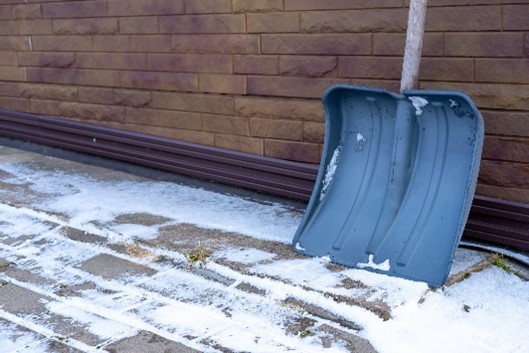
Best practices for safe shovelling
- Before the winter starts, consult a doctor if you have pre-existing health conditions or are physically inactive to see if you should be shovelling snow.
- Warm up your muscles for 10 to 15 minutes before heading outdoors with some stretching.
- Dress in layers to stay warm but avoid overheating. Wear a hat, gloves and a scarf to warm the air you breathe before it reaches your lungs.
- Stay hydrated as cold air can contribute to dehydration.
- Avoid caffeine, nicotine or alcohol before or immediately after shovelling. These can strain your heart.
- Wait at least an hour after waking up before shovelling, as most heart attacks occur in the early morning.
- Avoid twisting your torso to throw snow to the side. Turn your whole body and walk to where you want to deposit the snow.
- Pace yourself and take frequent 15-minute breaks to go inside, warm up, and rest.
By preparing ahead, using proper technique and listening to your body, you can make snow shovelling safer and far more manageable. A little caution goes a long way and helps ensure everyone gets through the season safely.
Learn more about the City’s snow clearing operations at mississauga.ca/snow. Keep up-to-date on the City’s snow clearing activities by following @MississaugaSnow on X or use the Snow Plow Tracker to track our snow plows and salt trucks online.
Tags
Media contact
City of Mississauga Media Relations
media@mississauga.ca
905-615-3200, ext. 5232
TTY: 905-896-5151
Get email updates