New conservation area brings new life to Mississauga’s waterfront
Named after the late Ward 1 Councillor, the Jim Tovey Lakeview Conservation Area is now open to visitors – just in time for the summer.
Environment | June 5, 2026
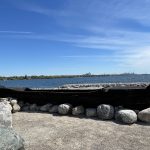
Located along the shore of Lake Ontario in Mississauga, a new 26-hectare green space has transformed a once-industrial portion of Mississauga’s waterfront into a clean and naturalized green space. This new space is open and easy for hikers, walkers, wheelers and nature lovers to enjoy.
Named after former Mississauga Councillor Jim Tovey, the conservation area reflects his vision of reconnecting people with Lake Ontario while restoring the ecological health of Mississauga’s waterfront. Councillor Tovey was known for his environmental stewardship and championed the revitalization of the Lakeview shoreline. Mississauga Ward 1 Councillor Stephen Dasko worked to continue the project’s momentum, collaborating closely with community partners.
This waterfront conservation area is part of an award-winning shoreline restoration project. It was led by Credit Valley Conservation with support from the City, The Region of Peel and Toronto and Region Conservation Authority. The conservation area, located west of Marie Curtis Park, protects wildlife and natural habitats while bringing nature closer to residents.
A restored waterfront shaped by nature
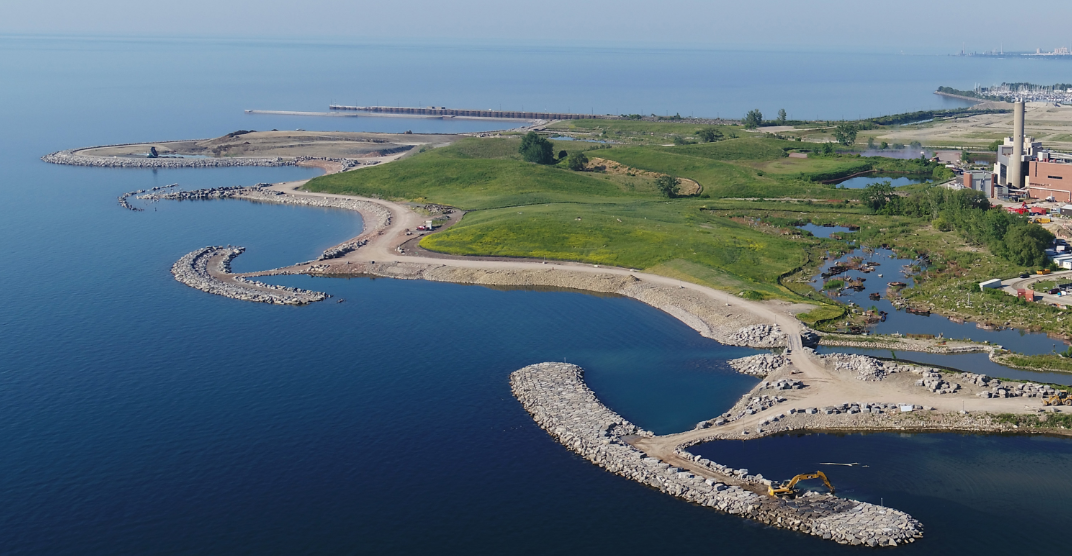
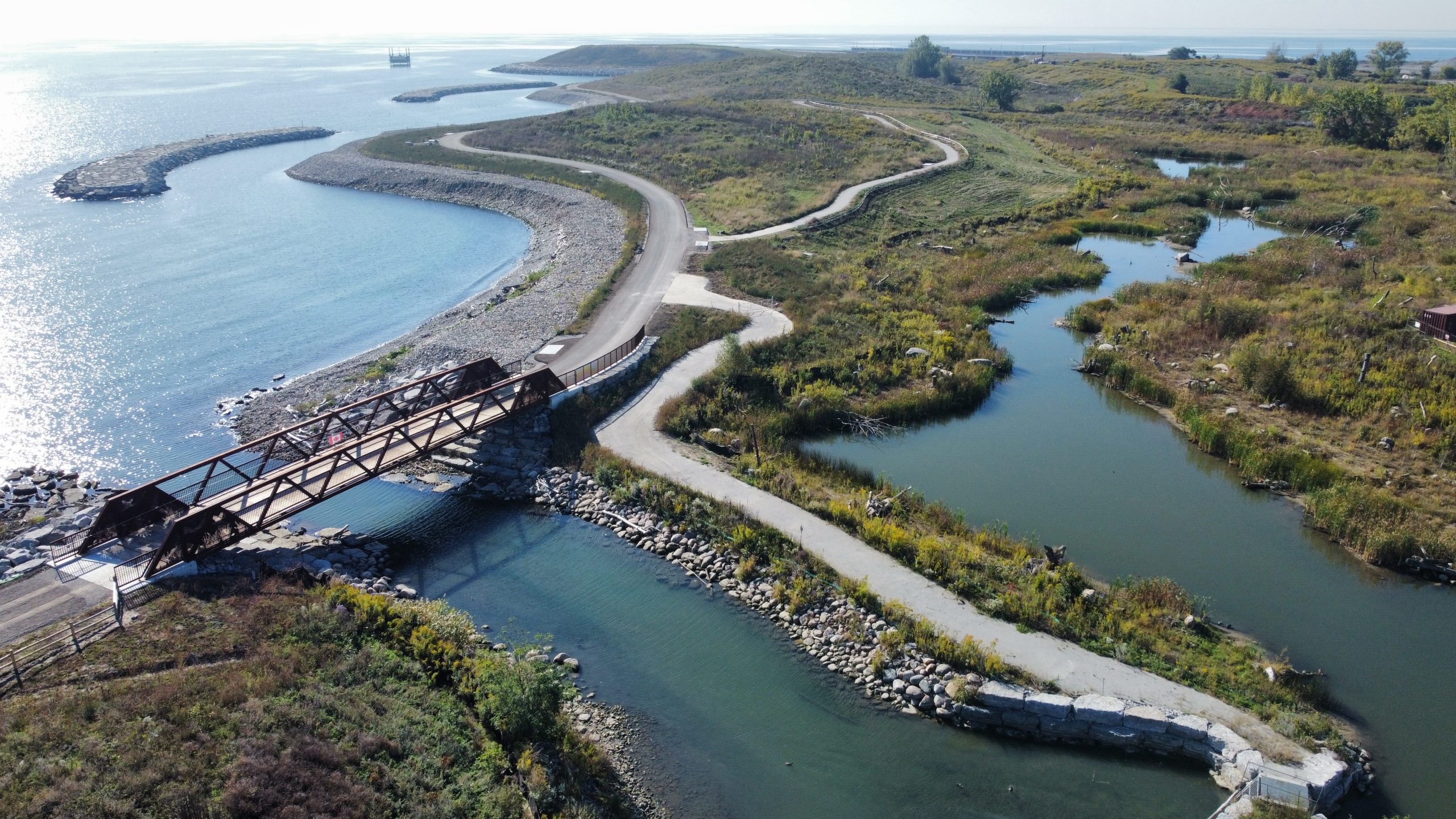
The conservation area features wetlands, forests, meadows, trails, boardwalks and wildlife habitats that support biodiversity while offering accessible recreation for residents and visitors.
Environmental restoration work includes rebuilding shoreline habitat, reconnecting Serson Creek to Lake Ontario, and planting thousands of trees and wetland species. Beyond its environmental benefits, the conservation area also stands as a symbol of waterfront renewal in Mississauga’s Lakeview community.
Key features
- 170-metre boardwalk and nearly four kilometers of new trails – about the length of a full loop around Square One district. It offers an inviting space for quick strolls and long rides, with rest areas every 90 metres.
- Scenic viewing areas with interpretive signage.
- 1.7 kilometres of pedestrian trails, perfect for hiking, dog walking, bird watching, photography and cycling.
- Indigenous placemaking features and spaces for learning and reflection, including an Indigenous Teaching Amphitheatre.
Supporting active transportation and connecting green spaces
More than a green oasis for residents and visitors to enjoy, the conservation area extends the trail network in the area. This makes it easier for residents to walk or cycle instead of driving. The new trails section will help restore access to the waterfront for residents.
The conservation area also connects with the City’s plans to develop six new waterfront parks in Lakeview Village, a 177-acre mixed-use development on the eastern edge of Mississauga’s waterfront. This project will provide 18.5 hectares of new parkland, including six parks with natural heritage features that help maintain the wildlife ecosystem and provide clean air and water to residents.
Watch video, Birth of a Landscape, showing the origins of the Conservation Area.
Strengthening quality of life for Mississauga residents
Health and equity are key pillars of the City’s Healthy City Strategy, which was developed to address health disparities in Mississauga. In most neighbourhoods in Mississauga, the rate of type 2 diabetes is higher than Ontario’s average of 9.8 per cent.
The new Jim Tovey Lakeview Conservation Area provides residents with more access to green spaces. It makes it easier to be active through affordable ways.
How the Conservation Area came to be
Over the last decade, the project was made possible through a major partnership between several public agencies and organizations, each contributing distinct expertise and leadership. Credit Valley Conservation (CVC) and the Toronto and Region Conservation Authority (TRCA) led the environmental planning, ecological restoration, shoreline naturalization and long-term conservation management of the site.
Local Indigenous communities, like Mississaugas of the Credit First Nation, also played an important role in informing the vision and stewardship approach for the conservation area. Consultation and engagement with Indigenous partners helped ensure that the project recognized the cultural and historical significance of the Lake Ontario shoreline and incorporated principles of environmental stewardship, restoration and long-term care for the land and water.
Indigenous perspectives contributed to discussions around habitat restoration, ecological balance and created spaces that encourage education, reflection and connection to nature. The site is located on the Head of the Lake Treaty lands of the Mississaugas of the Credit First Nation, whose historic and ongoing connection to the Lake Ontario shoreline is recognized throughout the project. Indigenous engagement helped inform environmental stewardship principles, cultural recognition and the creation of gathering and teaching spaces within the conservation area, including Indigenous placemaking features and an Indigenous Teaching Amphitheatre.
The project received support from the Government of Canada and the Government of Ontario through funding programs focused on environmental restoration, climate resilience and public infrastructure. The Region of Peel supported the project through land ownership, infrastructure co-ordination, and regional environmental planning initiatives. The City of Mississauga played a central role in community planning, public access improvements, waterfront revitalization and integrating the conservation area into the broader Lakeview community vision.
Explore and enjoy
Discover nature next door. Before you visit, check the Jim Tovey Lakeview Conservation Area parks page and the Parks Advisories page for daily updates on which sections are affected by upcoming trail work.
Parking is only available at Marie Curtis Park, 2 Forty Second St, Etobicoke.
There is no parking at the conservation area. Visitors must enter and exit through Marie Curtis Park.
Digital assets and downloads
Download high-resolution photos courtesy of Credit Valley Conservation.
Tags
Media contact
City of Mississauga Media Relations
media@mississauga.ca
905-615-3200, ext. 5232
TTY: 905-896-5151
Get email updates