Log off and immerse yourself in nature this National Tree Day
Learn about Mississauga’s 2.1 million trees and their positive impact on the city and be sure to join us for the Forestry Fall Festival.
City services | September 21, 2026
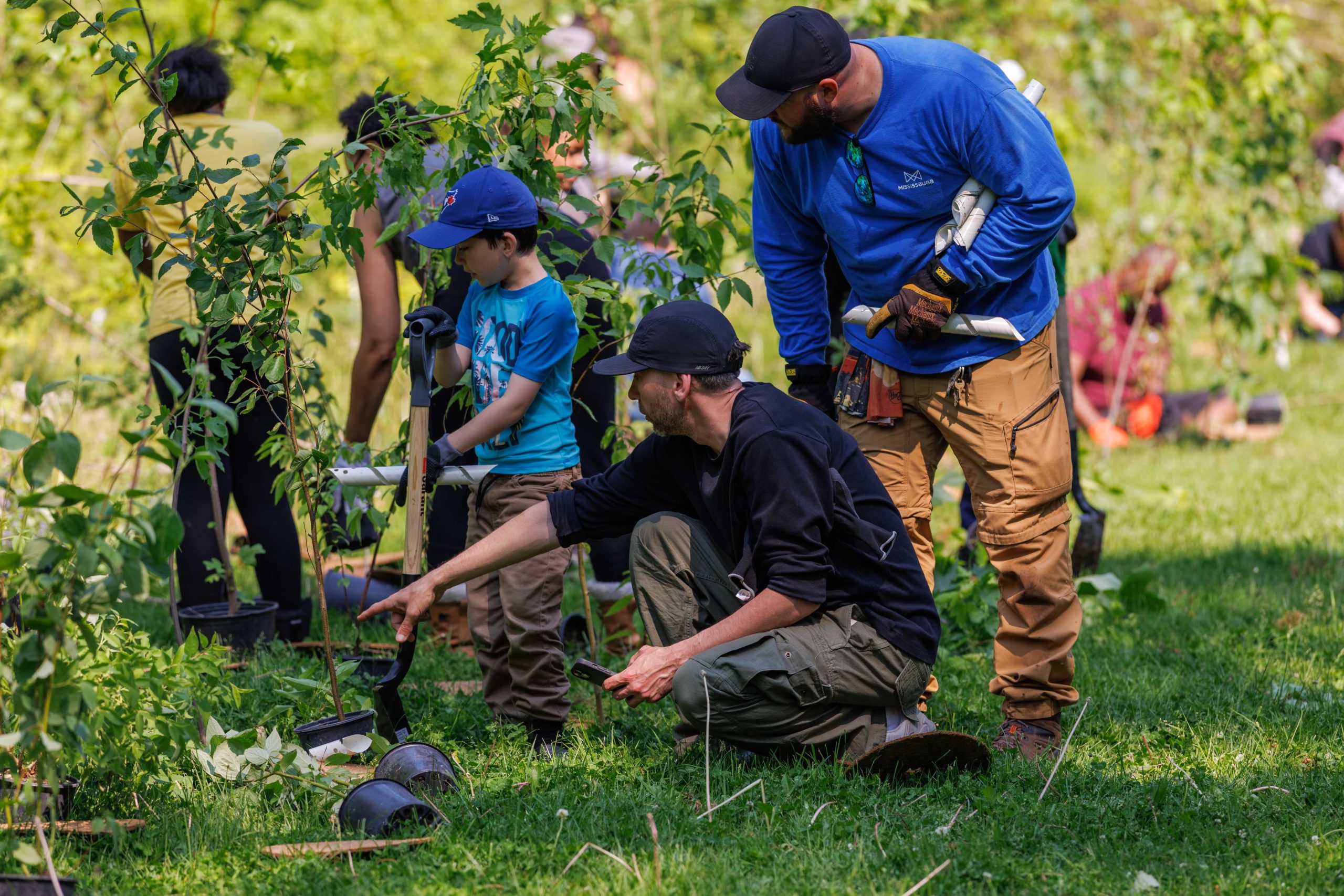
If there’s ever a time to stop and appreciate the trees around us, it’s on September 23, National Tree Day. This day recognizes the important role trees play in our lives and in helping cities adapt to climate change.
National Tree Day is part of National Forest Week. It’s a reminder that trees and our urban forests are an important part of a city. Trees help clean the air, support biodiversity and create greener and healthier cities.
Trees can be seen as nature’s air conditioners. A study from Montreal found that a 10 per cent increase in tree coverage can lower land surface temperature by 1.4 degrees. As extreme weather becomes more common, a strong network of trees can keep neighbourhoods and buildings cool.
Community planting efforts
Volunteers continue to ‘leaf’ their mark across Mississauga, planting trees and supporting environmental stewardship activities that help expand the city’s urban forest and green spaces.
Since 2013:
- 51,920 volunteers have rolled up their sleeves to participate in 1,264 tree planting and environmental stewardship events across City parks. Annual volunteer turnout regularly reaches 4,000 to 5,000 people, enough to fill a small arena each year.
- More than 175,000 native trees and shrubs have been planted by volunteers, nearly ten times the number of trees growing in New York’s Central Park.
The City is continuing to advance its goal of One Million Trees by 2032, with 653,729 trees planted to date.
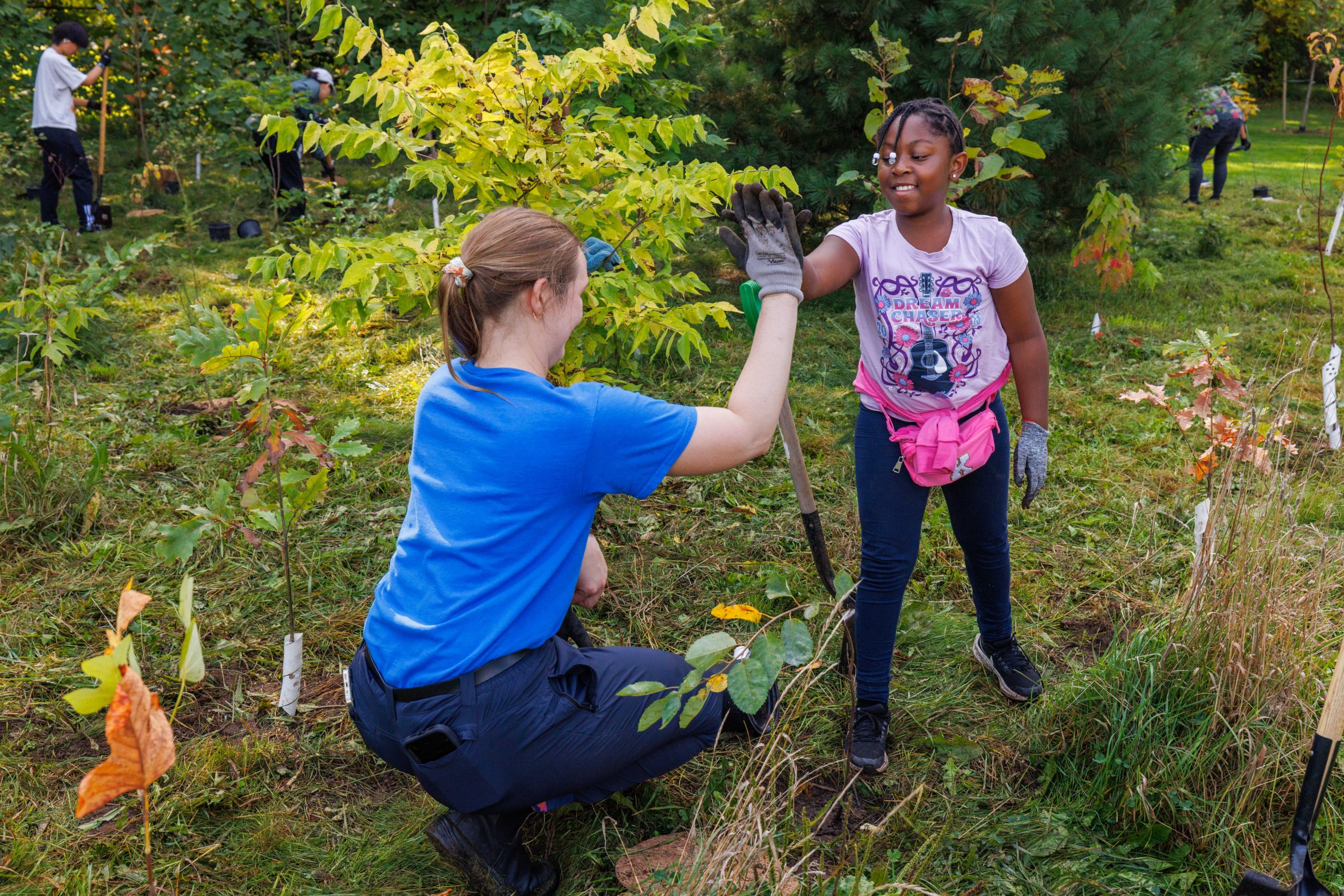
Trees in action: Examples of impact in Mississauga
Trees are planted across the city in various urban and green spaces. Planting near watercourses and waterbodies are also important as they help with flood mitigation and support biodiversity. Two recent examples include:
Lakefront Promenade: Creating more space for nature
The City is expanding natural habitat at Lakefront Promenade by planting native trees, shrubs and wildflowers across 1.6 acres of land, an area larger than a Canadian football field. This restoration project will create valuable habitat for wildlife, enhance biodiversity and improve the area’s ability to absorb and manage rainwater.
The new naturalized area will provide food and shelter for birds, butterflies, bees and other pollinators, while strengthening connections between habitats along the Lake Ontario shoreline. These connections are particularly important for migratory species, making it easier to find food, rest and move through the landscape.
Native trees and plants also strengthen the shoreline’s resilience to heavy rainfall and extreme weather by reducing runoff and helping to manage flood risk. Together, these improvements will contribute to a healthier waterfront that residents can enjoy for years to come.
Fairwinds Park: Supporting a healthier Cooksville Creek
At Fairwinds Park, tree planting efforts are helping restore and protect the Cooksville Creek corridor and the wildlife that rely on it.
Native trees and plants act as a natural filter, capturing rainwater before it reaches the creek and reducing pollutants and sediment entering the water. Their canopy also provides shade, helping to keep water temperatures cooler and creating healthier conditions for fish and other aquatic species.
Cooksville Creek connects parks and natural areas across the city, allowing wildlife to move more safely between habitats. Expanding tree cover along the creek contributes to cleaner water, increased carbon storage and greater resilience to extreme rainfall and weather events.
Log off and lend a hand
This National Forest Week, take some time to get outdoors and help make Mississauga greener. Even small actions can make a big difference in growing the city’s urban forest and protecting trees for future generations.
- Forestry Fall Festival: September 26 at Erindale Park. Admission is free.
- Tree-planting events with City staff and other volunteers. No experience required. Dates: October 3, October 17, October 24 and October 31.
Visit mississauga.ca/national-forest-week for event dates and registration information.
Request a free tree for your street or local park
Help us grow Mississauga’s urban forest through the City’s public tree planting program. Request a free tree today at mississauga.ca/treeplanting
Stay up-to-date with tree protection by-laws
Before starting your next backyard project, take a moment to check the City’s tree protection requirements. Knowing when a permit is needed can help you avoid delays and support the long-term health of Mississauga’s urban forest.
Tags
Media contact
City of Mississauga Media Relations
media@mississauga.ca
905-615-3200, ext. 5232
TTY: 905-896-5151
Get email updates